

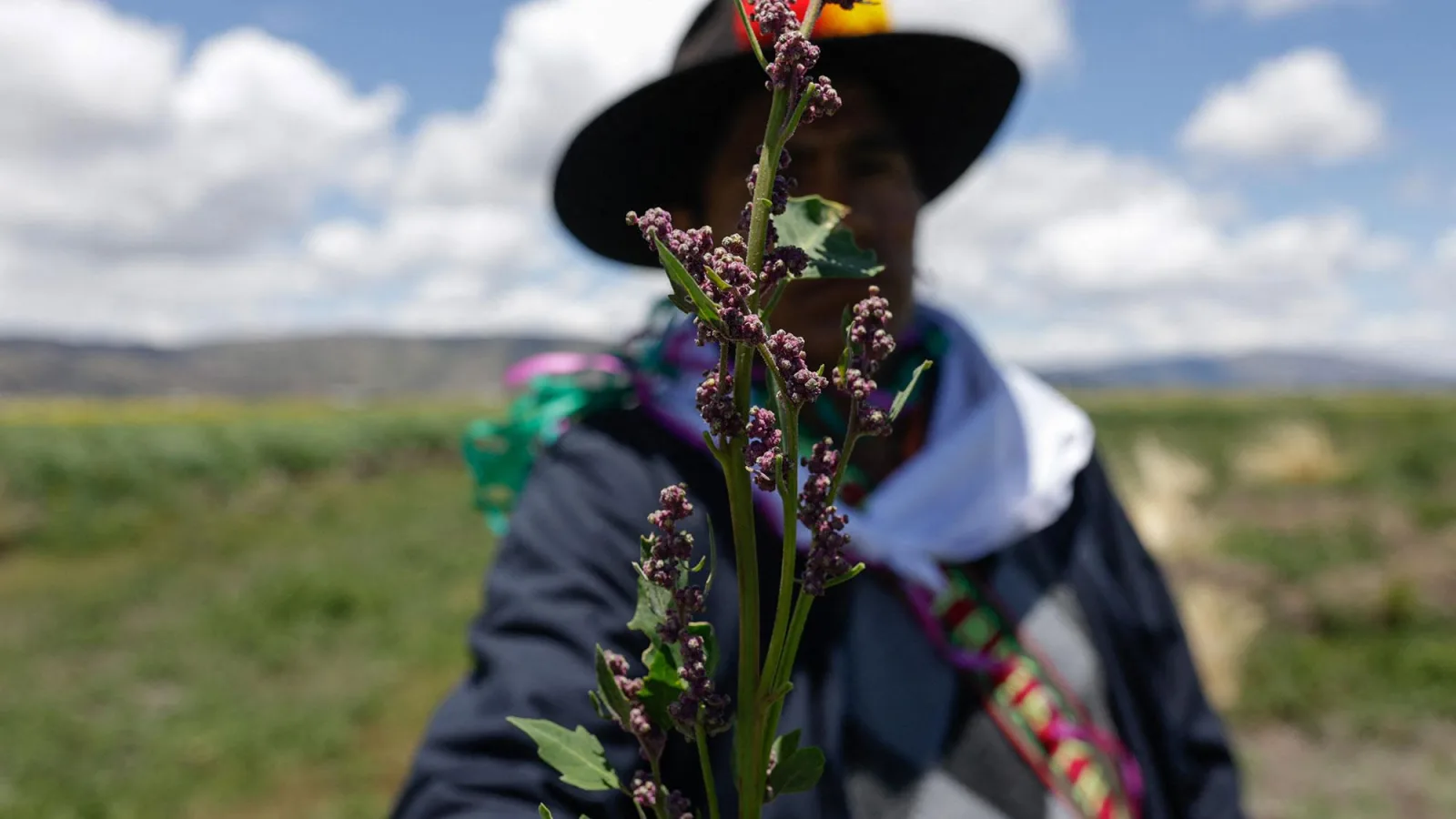
Indigenous communities worldwide play a crucial role in combating climate change through traditional stewardship practices that sustain biodiversity and enhance carbon storage on their lands. Despite growing recognition of Indigenous territories as rich ecological havens, the global climate framework has often sidelined Indigenous voices and denied them adequate access to resilience funding and legal protections.
Research led by Conservation International reveals that the remarkable health of Indigenous lands results directly from the stewardship of their inhabitants, not merely from remoteness or low population density. The study encompassed interviews with 49 Indigenous leaders across six continents, including regions such as the Amazon, East Africa, and Pacific Islands, documenting how cultural knowledge and community protocols preserve ecosystems.

These practices include avoiding overfishing, safeguarding sacred areas, monitoring environmental threats like wildfires, and resisting exploitative extraction activities such as mining and logging. Notably, nearly all communities surveyed maintain land specifically reserved for spiritual or cultural purposes, which also functions as protected environmental zones. However, many Indigenous territories face escalating threats from climate impacts like drought and extreme weather, compounded by ongoing industrial encroachment.
The study underscores that while Indigenous cultures differ globally, they share vital lessons on sustainable land management that could inform broader climate strategies. Its lead author emphasized the urgency of collective action, recognizing that Indigenous peoples have long sustained these ecosystems independently despite systemic exclusion from formal climate negotiations.
This research adds to a growing body of evidence showing that conservation outcomes improve significantly when Indigenous autonomy is respected, reinforcing calls to integrate Indigenous rights and knowledge into climate policy frameworks worldwide. It highlights Indigenous stewardship not simply as a local curiosity but as a central pillar of global environmental resilience.