

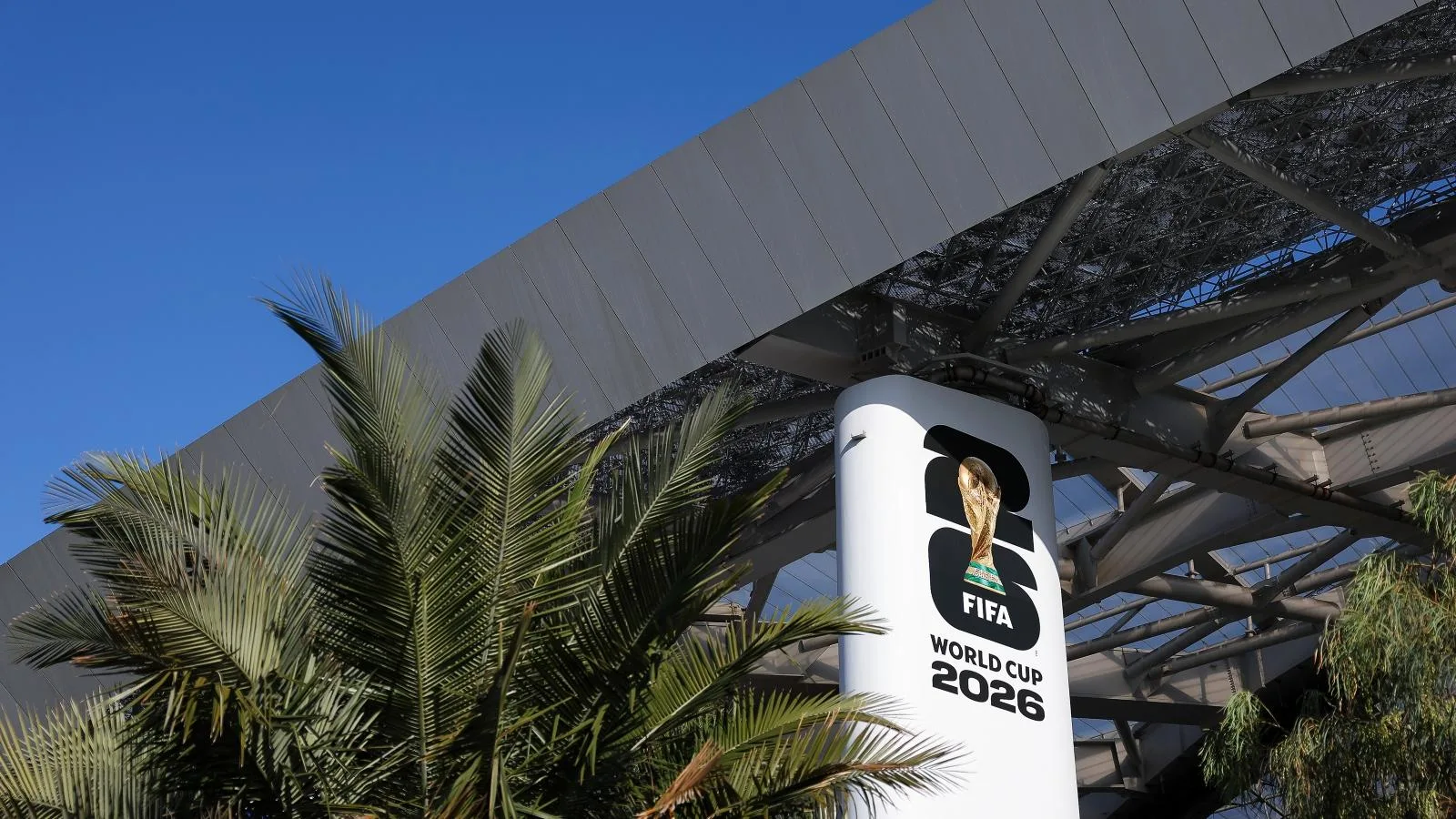
Los Angeles is treating the World Cup not only as a major sporting event but also as a critical rehearsal for the upcoming Summer Olympic and Paralympic Games. With multiple matches scheduled at SoFi Stadium, the city is testing security, transportation, and heat management plans to gauge how its infrastructure holds up under the pressure of large-scale crowds.
Amid a backdrop of ongoing wildfire recovery and a tight municipal budget, LA faces the dual challenge of preparing for international visitors while addressing urgent local needs. The devastating wildfires earlier this year displaced tens of thousands of residents, underscoring the tangible effects of climate change that the city must manage alongside its event preparations. Additionally, recent immigration enforcement actions have heightened community tensions in this multicultural metropolis.

Heat exposure remains a central concern. Fans attending matches encounter extensive wait times outdoors in a cityscape dominated by concrete and limited shade, increasing risks of overheating. Sports sociologists emphasize that while athletes are conditioned to handle heat, spectators and frontline workers at concessions and service points are particularly vulnerable. The city’s response includes testing heat wave protocols and shading solutions, aiming to better protect these groups during both the World Cup and future Olympic events.
Operational efforts at SoFi Stadium illustrate the complexity of hosting a world-class tournament. Grounds crews manage intricate field preparations, including soil treatment and installation of specialized grass, even as freight logistics bring refrigerated trucks into the heart of the venue. This focus on detail is part of Los Angeles’ intent to deliver a seamless experience and to build lasting infrastructure improvements.
Despite these ambitions, Los Angeles grapples with economic uncertainties. Hotel occupancy rates remain low, and ticket prices for major events are high, compounding financial pressures on city services. Nevertheless, officials stress that hosting such international competitions aims to generate long-term benefits for residents, beyond the immediate spectacle.
As the city moves through this pivotal year, the World Cup functions as both a prestigious event and a stress test—illuminating challenges that will define LA’s approach to climate adaptation, urban resilience, and community well-being in the years to come.