

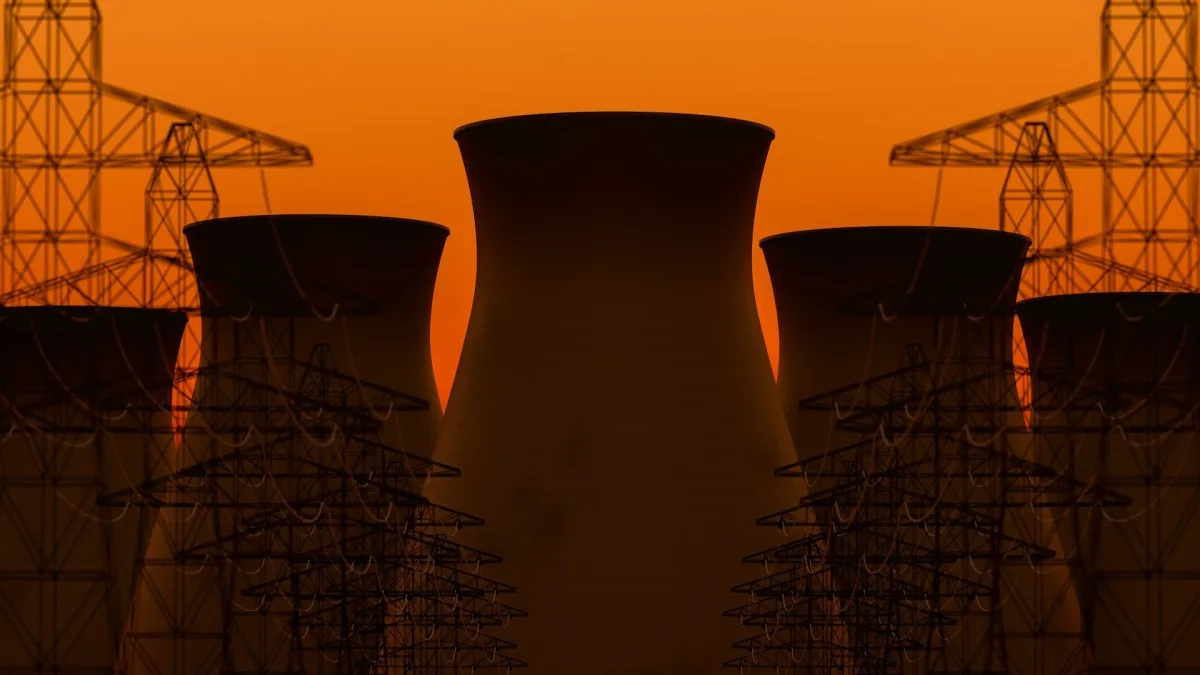
North America has entered a pivotal phase in energy policy as the United States and Canada simultaneously announced ambitious plans to construct ten new nuclear reactors each, signaling a major revival in nuclear power development after decades of relative dormancy. This coordinated effort reflects growing concerns about energy security amid rising global tensions, technological demands, and environmental commitments.
The expansion targets come against a backdrop of multiple challenges pressuring the global energy landscape. An unprecedented surge in demand for electricity due to the rapid growth of artificial intelligence technologies, ongoing conflict in Iran, and wider geopolitical uncertainty have exposed vulnerabilities in traditional energy supply chains. These factors, combined with the urgent imperative to reduce carbon emissions, have prompted policymakers worldwide to adopt diversified strategies, prominently featuring nuclear energy as a reliable, zero-carbon power source.

Nuclear power’s resurgence also draws from its proven advantages: consistent baseload energy generation, reduced greenhouse gas emissions, and mature supply chains that minimize dependency on volatile fossil fuel markets. Despite its checkered history marked by past nuclear accidents, the sector is undergoing a renaissance supported by technological advancements and renewed political backing.
China has emerged as a major driver of this trend, having added substantial nuclear capacity over the past decade and positioning itself to surpass established leaders like the United States and France in nuclear electricity production. Meanwhile, North America’s new reactor projects reflect a strategic effort to meet soaring electricity demand projected for the coming decades while adhering to climate goals.
Canada’s Energy Minister Tim Hodgson linked the nuclear expansion plan to broader objectives of doubling the national electrical grid’s capacity by mid-century. He emphasized that achieving a low-carbon, reliable energy system requires integrating nuclear power to provide stable baseload energy alongside other renewable sources.
As nations confront intertwined energy, security, and environmental crises, an “all-of-the-above” approach to energy policy has gained traction. This strategy seeks to balance fossil fuels, renewables, and nuclear power to create more resilient energy systems capable of withstanding supply disruptions and accelerating decarbonization efforts.