

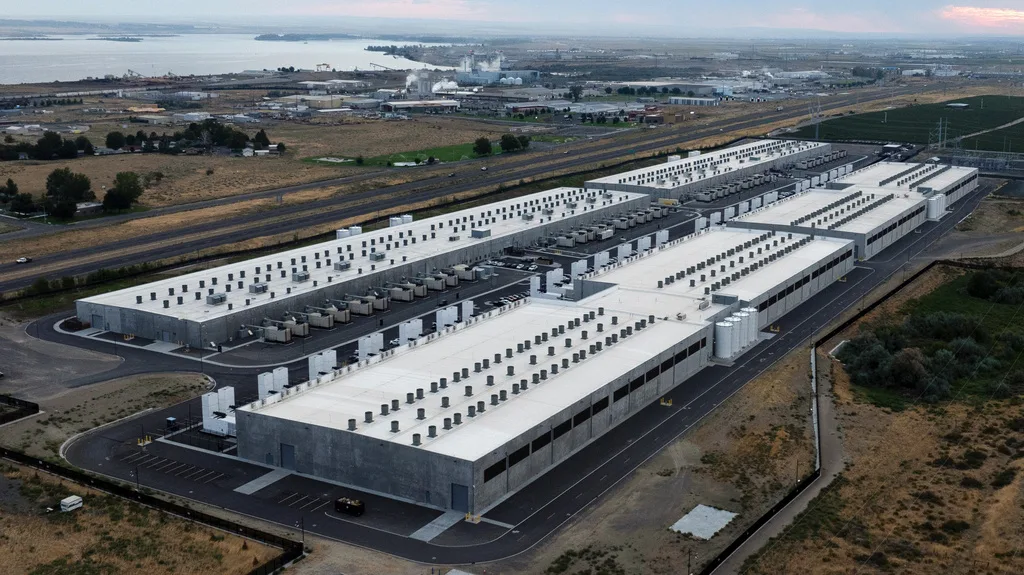
Artificial intelligence (AI) technologies and the data centers supporting them demand significant energy and water resources, intensifying challenges in climate change and resource scarcity. Despite their growing prevalence in everyday tasks, AI companies rarely disclose the extent of their environmental consumption, leaving users largely unaware of the hidden costs behind every query answered by AI.
Experts emphasize that frequent reliance on AI for routine activities such as calculations, directions, or simple information searches is worsening energy and water usage. In fact, AI's rapid expansion contradicts global efforts aimed at decarbonization and sustainable resource management. The widespread integration of generative AI into common tools by major tech firms subtly pressures users into adopting energy-intensive technologies.

Cutting back on AI use emerges as the most straightforward way for individuals to reduce their environmental impact. Specialists advise opting out when AI adds little value, especially for tasks that can be done through traditional means, like reading a book or using non-AI search methods. This conscious choice helps curb the demand on data centers, which require both large amounts of electricity to operate and water for cooling.
Water scientist Kaveh Madani stresses that "the cleanest form of AI use is no use," underscoring the environmental toll of unnecessary AI queries. He encourages users to consciously limit AI reliance, particularly for simple queries that generate excessive energy and water consumption relative to their utility.
The conversation also highlights that individuals retain agency over how they engage with AI, even as companies embed it increasingly into everyday software and services. Experts urge awareness and deliberate use, acknowledging that while AI can enhance productivity in some areas, much of its present usage remains avoidable and environmentally costly.
Addressing AI's environmental impact extends beyond personal behavior to broader systemic changes, including improved transparency from AI providers regarding their energy and water footprints, and better data center design focusing on sustainability. However, until such shifts become standard, minimizing AI use for non-essential tasks represents a practical step individuals can take to help balance technological advancement with environmental stewardship.