

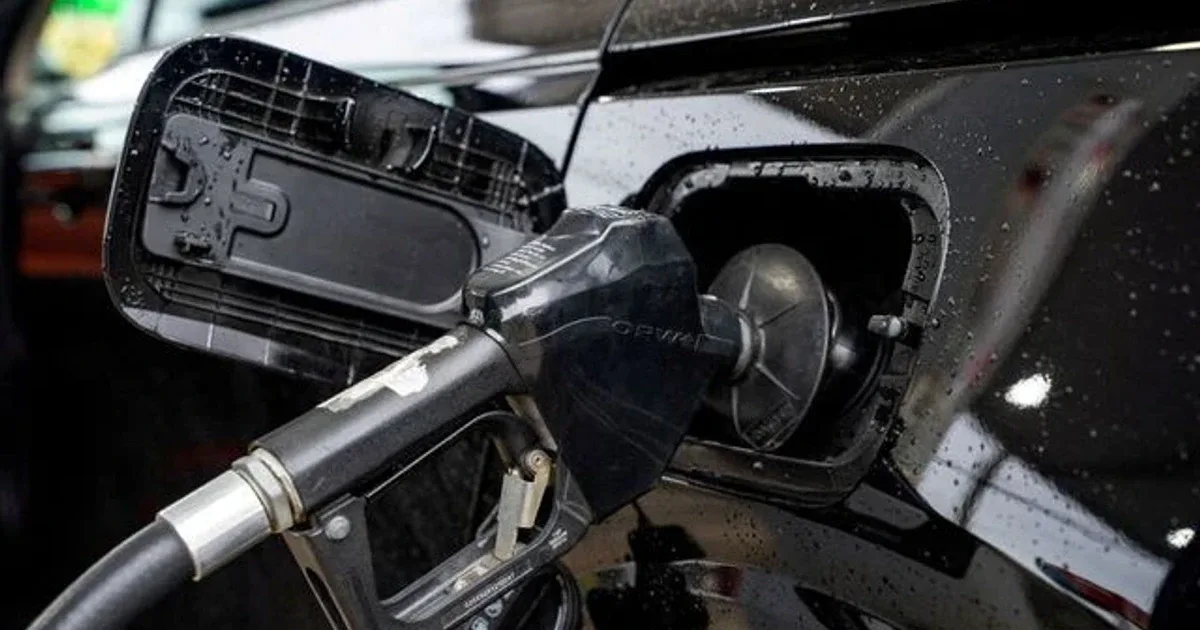
Former President Donald Trump called on the Justice Department to investigate oil companies over gasoline prices, alleging unfair price hikes. His directive raised questions as national average gas prices were trending lower after weeks of decline.
According to GasBuddy, the U.S. average price for regular gasoline stood just under $3.91 per gallon, decreasing for six consecutive weeks. AAA reported a similar downward trend, with prices falling for three consecutive weeks from a mid-May peak above $4.50 per gallon. Despite this, prices remain notably higher compared to the previous year.

Trump’s concerns focused on the disparity between crude oil prices and retail gasoline costs. However, gasoline prices do not depend solely on crude oil market fluctuations. Several other factors influence what consumers pay at the pump, including refinery processing costs, federal and state taxes, transportation expenses, and regional supply constraints.
The U.S. Bureau of Labor Statistics highlighted that consumer prices increased over 4% in the past year, with energy costs—particularly gasoline and diesel—accounting for a substantial portion of inflationary pressure. Meanwhile, expectations of stable crude oil flow through the Strait of Hormuz have contributed to easing oil prices after earlier volatility tied to geopolitical tensions.
At the federal level, no law directly prohibits gasoline price gouging, though many states enforce emergency regulations during crises. The Federal Trade Commission oversees oil and gas markets for antitrust violations, typically focusing on evidence of collusion or deceptive practices rather than pricing levels alone.
Legislative efforts have sought to address gasoline price gouging, with House bills advancing last year aimed at curbing unfair price increases. Still, enforcement and regulation in this sector remain complex given the multiple components influencing fuel costs.