

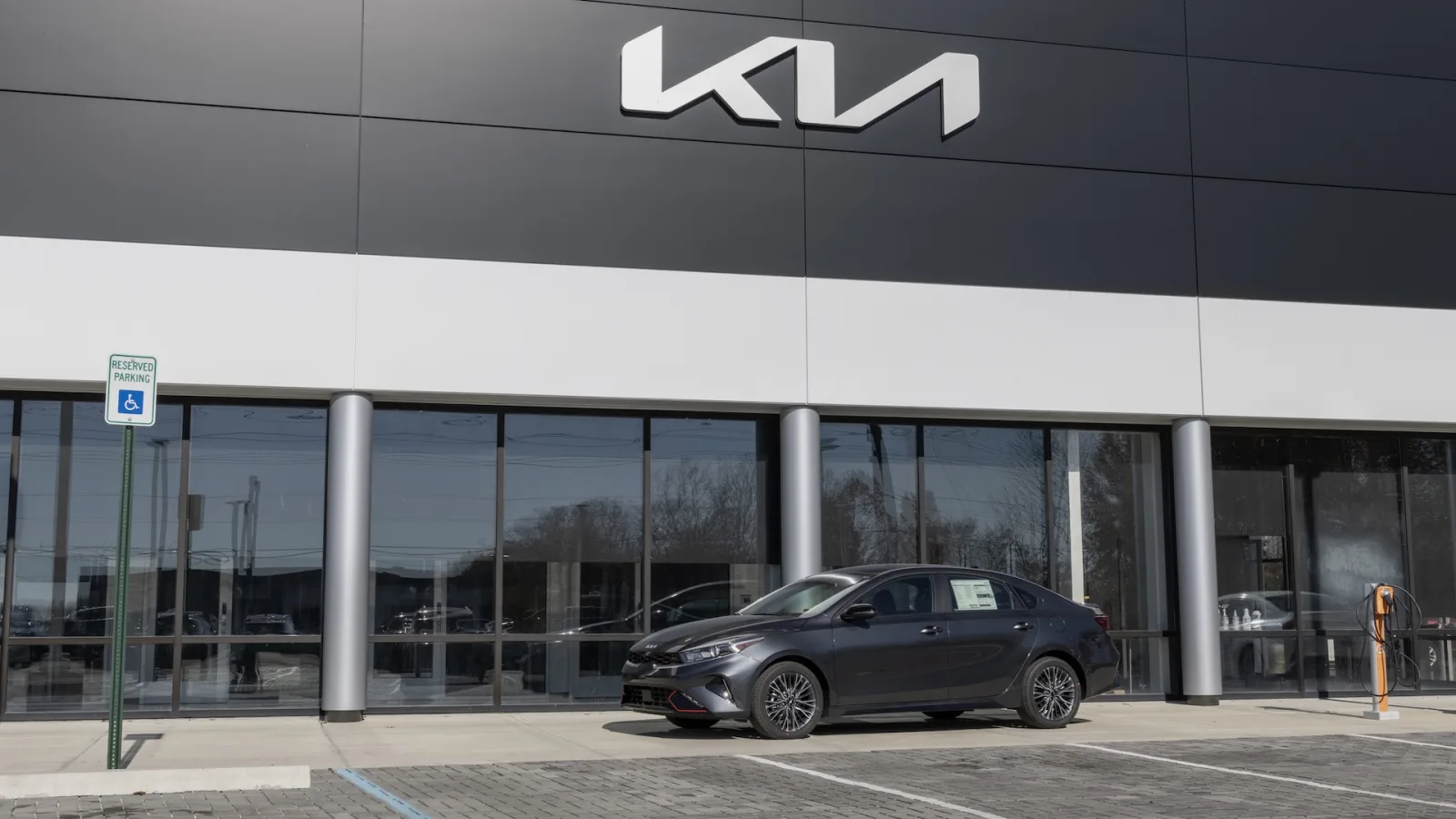
The US electric vehicle market is facing a notable contraction as several automakers, including Tesla, Hyundai, and Kia, reduce their EV lineups for 2026. This shift follows a sharp decline in EV deliveries, driven largely by the expiration of the $7,500 federal tax credit for US-made electric vehicles late last year. Dealerships nationwide are reflecting this trend with an increasing number of canceled or postponed EV models.
Hyundai and Kia stand out with some of the most significant changes. Hyundai will no longer offer the imported Ioniq 6 or the 2026 Kona Electric in the US market. Kia has discontinued the Niro EV and delayed the release of the EV6 GT and EV9 GT without a clear timeline, citing evolving market conditions. Meanwhile, Tesla is winding down production of its Model X and plans an "honorable discharge" for the Model S, signaling a narrower product focus.

Other manufacturers are also pulling back. Volvo has removed the EX30 from US sales, Honda has scrapped several planned EV launches, and BMW, Porsche, and Polestar—this last brand now unable to sell new vehicles domestically—are revising their electric vehicle strategies. These reductions impact consumer choice significantly, especially as affordable models like the Kona Electric, Niro EV, and EX30 disappear from the market.
The current slowdown has broader implications beyond buyer options. Electric vehicles reduce fuel costs and maintenance needs compared to traditional combustion engine cars, and slower adoption could prolong local air pollution and greenhouse gas emissions. However, the retrenchment does not indicate a halt to EV progress. Instead, automakers appear refining their offers, replacing phased-out models with next-generation EVs promising longer ranges, faster charging, and reduced production costs.
Hyundai continues to market its US-produced Ioniq 5 and Ioniq 9 SUVs, Volvo is focusing on the EX60, BMW is preparing to launch Neue Klasse-based EVs, and Porsche plans a refreshed Taycan for 2027. Consumers still have opportunities through existing inventory, used EVs, and various state or local incentives. Home charging remains a cost-effective option, and companies like Qmerit offer free estimates for higher-speed Level 2 charger installations.
This contraction may also present a buyer advantage as dealerships work to clear existing EV stock, potentially leading to better deals for purchasers ready to make the switch amid market uncertainty.