

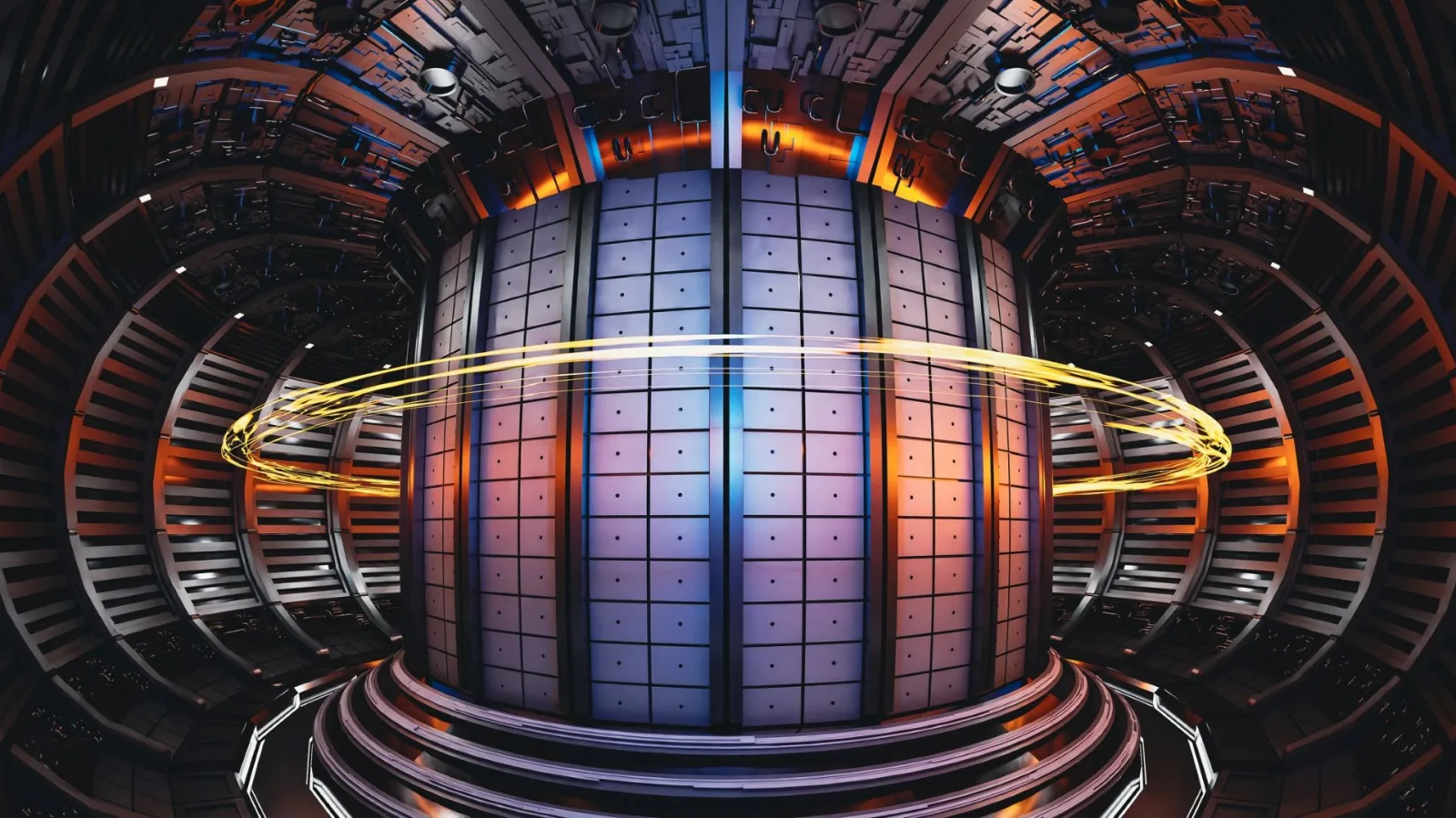
Helion Energy has received crucial regulatory approval to build the world’s first commercial nuclear fusion power facility in Washington state. The state issued two licenses allowing the company to handle radioactive materials and emissions essential for advancing its fusion reactor project at the Malaga site.
With these licenses, Helion can now move forward with constructing the generator building and other infrastructure necessary for its reactor, named Orion. This regulatory milestone enables the company to transition from the initial assembly stage to full-scale development, bringing fusion energy a step closer to commercial reality.

The licensing process for fusion energy diverges from traditional nuclear fission regulations. Instead of following the stringent rules applied to conventional reactors, Helion operates under a byproduct-material framework endorsed by Congress in the ADVANCE Act of 2024. This approach reflects the distinct safety and environmental profile of fusion technology, which produces less radioactive waste and eliminates long-lived hazardous materials.
Fusion power is widely regarded as a promising clean energy source due to its potential to generate vast amounts of electricity without carbon emissions or dependence on intermittent renewables like wind or solar. Despite decades of research, fusion has yet to achieve commercial viability, and Helion’s reactor design remains unpublished in peer-reviewed literature. Nonetheless, the company has already secured a 50-megawatt power supply agreement with Microsoft, targeting delivery by 2028, and holds a transmission interconnection deal to feed electricity into the grid.
The CEO of Helion Energy highlighted the significance of the licenses, emphasizing that regulatory approval in Washington marks the first of its kind worldwide for fusion plant operations. The company has worked closely with the state’s Department of Health throughout previous licensing efforts, aiming to demonstrate fusion’s safety and commercial feasibility. While nuclear projects inherently involve complexity and public concern, fusion’s distinct characteristics provide a different risk profile compared to traditional nuclear power.