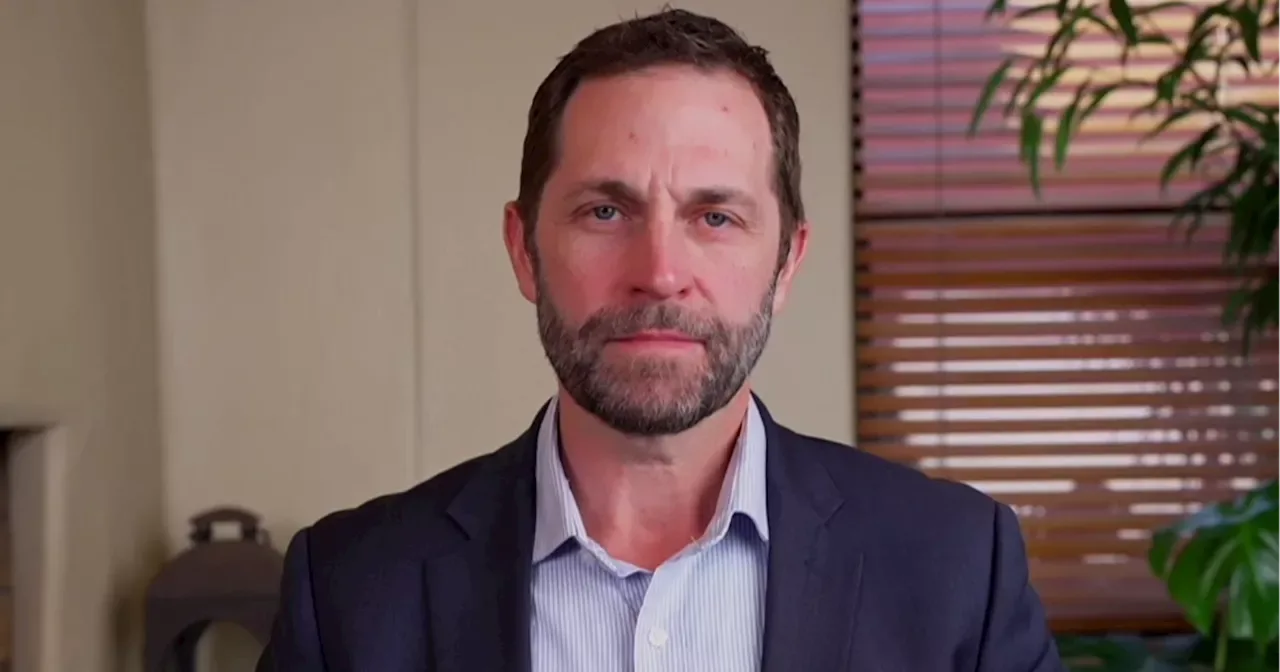
Rep. Jason Crow, a Colorado Democrat, appeared on Face the Nation on May 3, 2026, to challenge recent decisions by the Trump administration regarding military deployments and defense policy. Speaking from the McCain Institute Forum in Sedona, Arizona, Crow objected to Secretary of Defense Hegseth's order to withdraw a U.S. brigade from Germany, citing both legal violations and questionable decision-making processes.
Crow emphasized that troop movements in Europe are governed by bipartisan legislation passed by both chambers of Congress. He stated that the law establishes specific conditions for such movements, passed out of concern that the administration might reduce America's military presence in Europe—a footprint he described as critical to regional security and economic interests. The congressman argued that the administration's decision lacked proper coordination with Congress and appeared motivated by President Trump's displeasure with comments made by the German chancellor rather than strategic military necessity.

When pressed about whether the remaining 30,000 troops in Germany would fall within legal limits, Crow acknowledged that the law allows the president to go below the established floor of 76,000 troops in Europe if he certifies the action serves the national interest. However, Crow maintained that the current decision failed this test. He contrasted legitimate troop movements, which he supported when driven by genuine security concerns, with decisions based on presidential emotion.
Crow also addressed the administration's budget request, stating he would oppose a one and a half trillion dollar defense budget. He pointed out that the Department of Defense has never passed a financial audit, making it impossible to determine how funds are spent. Rather than continue what he called the pattern of "throwing good money after bad" seen in Iraq and Afghanistan, Crow insisted Congress must demand clear strategy from the administration before approving blank checks.
On the question of Section 702, a surveillance program used to monitor foreign communications, Crow acknowledged its importance but expressed deep concern about the administration's track record on legal compliance. He noted that the administration has ignored court rulings and violated the law repeatedly, citing an attempt to prosecute him and other members of Congress. While supporting a short-term extension of the surveillance authority, Crow rejected a long-term reauthorization, arguing that maintaining congressional oversight and leverage was essential to prevent potential abuse.