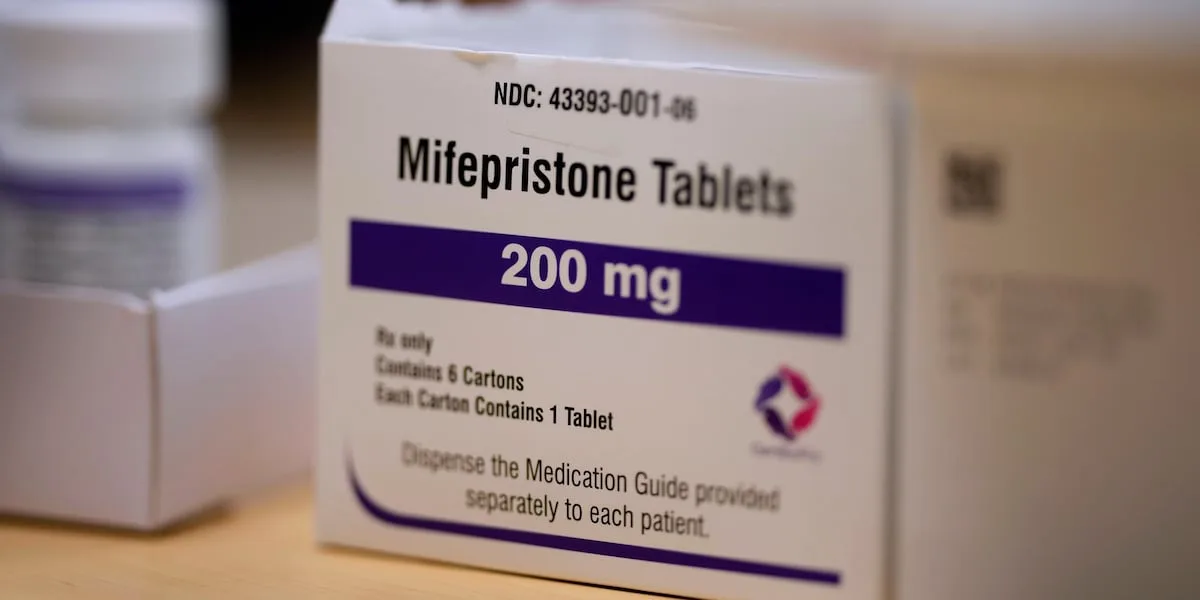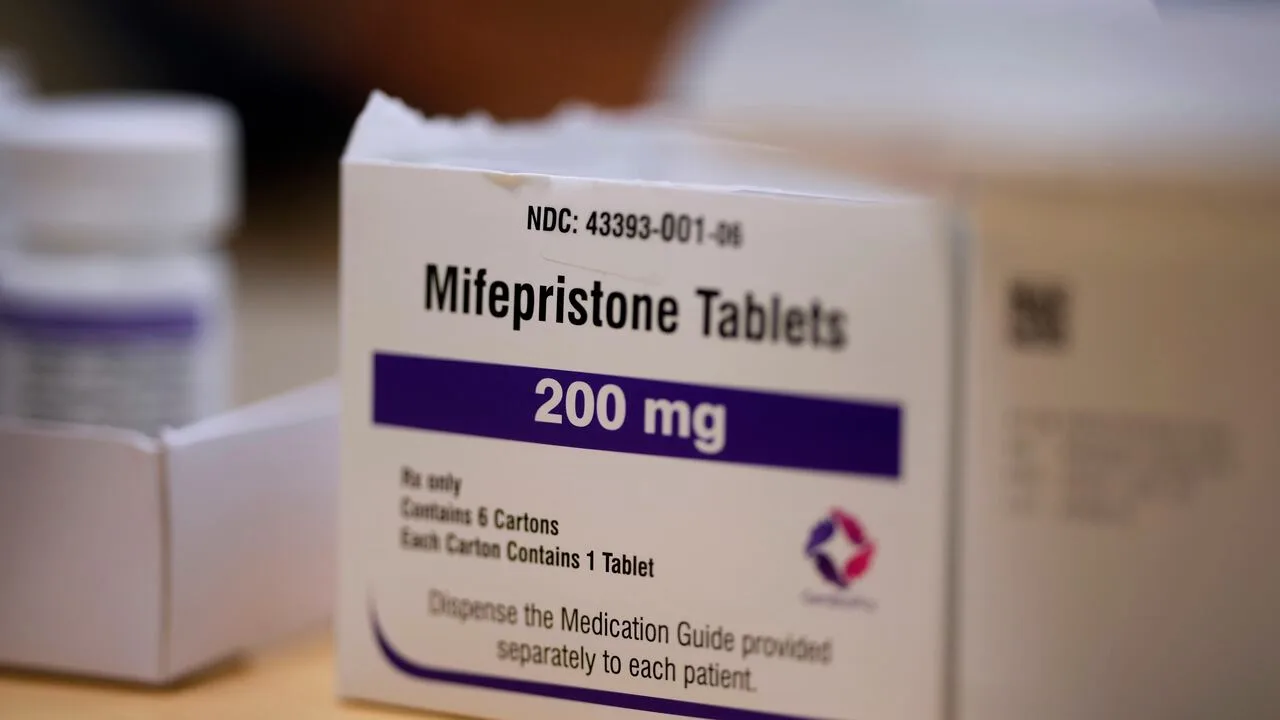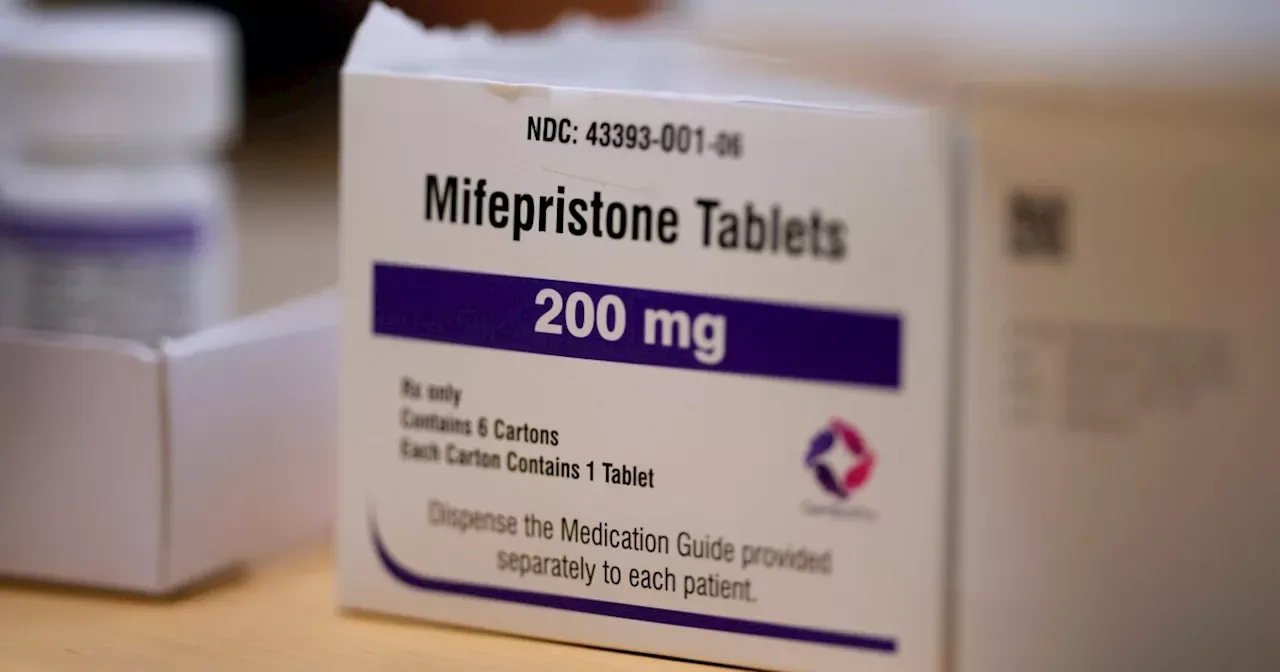
A federal appeals court has restricted access to mifepristone, one of the most widely used abortion medications in the United States, by blocking its delivery through the mail and allowing enforcement of state abortion bans. The decision affects patients nationwide, including those in states without abortion restrictions, raising concerns about access to healthcare services.
The ruling has immediate practical consequences for patients seeking the medication. Those who planned to pick up mifepristone prescriptions at local pharmacies may no longer be able to do so, regardless of their state of residence. Mail-based prescriptions had become a primary method for obtaining the drug, particularly in states with active abortion bans.

The court's decision referenced Louisiana's position that access to the medication conflicts with the state's abortion ban and its legal doctrine that "every unborn child is a human being from the moment of conception." Louisiana's attorney general and a woman claiming coercion in taking abortion pills had requested that Federal Drug Administration rules be rolled back to earlier restrictions requiring in-person prescriptions from certified physicians only.
The appeals court noted that FDA officials under President Donald Trump are conducting a new review of mifepristone's safety at the president's direction. The court acknowledged that the agency could not specify when that review would be complete and was still gathering data.
Mifepristone was approved in 2000 as a safe method for ending early pregnancies. It is typically used with misoprostol, a second drug that generally produces less cramping and bleeding for most patients. When originally approved, the FDA imposed strict limits on prescription and distribution. During the COVID-19 pandemic, the FDA under President Joe Biden removed these restrictions after concluding that more than two decades of monitoring and dozens of studies involving thousands of women demonstrated the medication could be safely used without direct supervision.
Julia Kaye, a lawyer with the American Civil Liberties Union, stated that the decision will affect patients' access to abortion and miscarriage care in every state. She noted that when telemedicine is restricted, rural communities, people with low incomes, people with disabilities, survivors of intimate partner violence, and communities of color face the greatest burden.