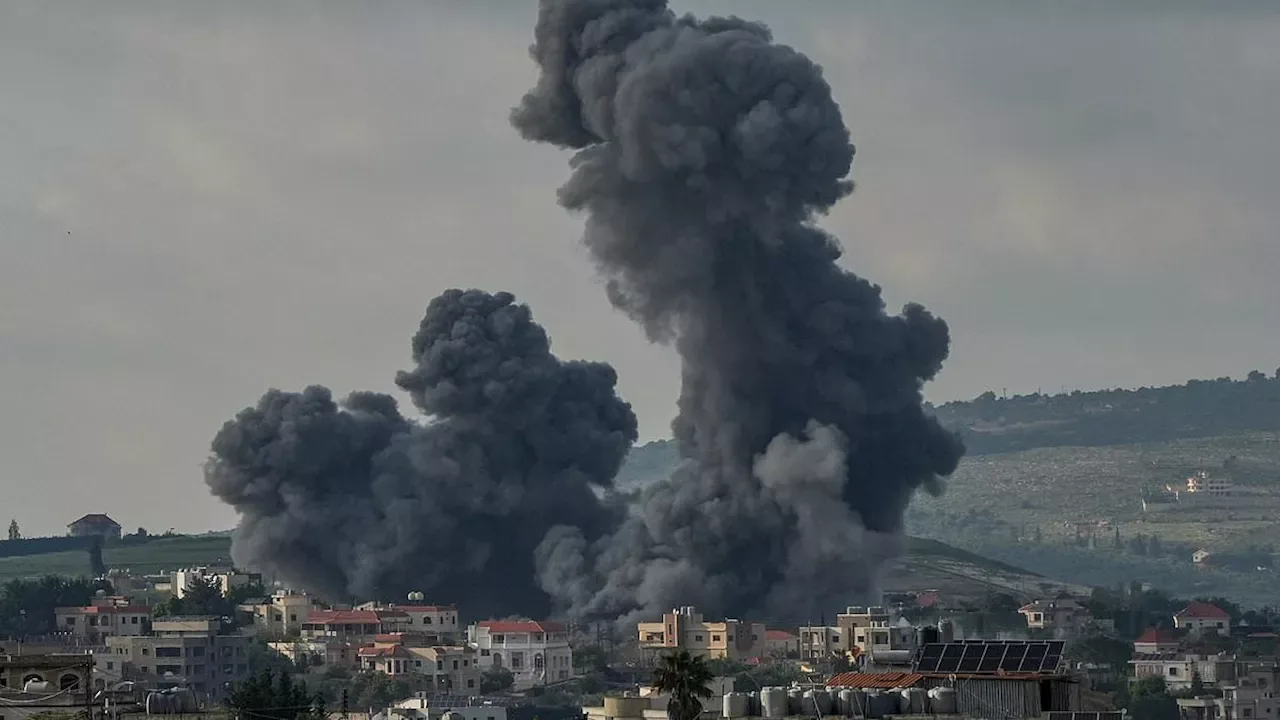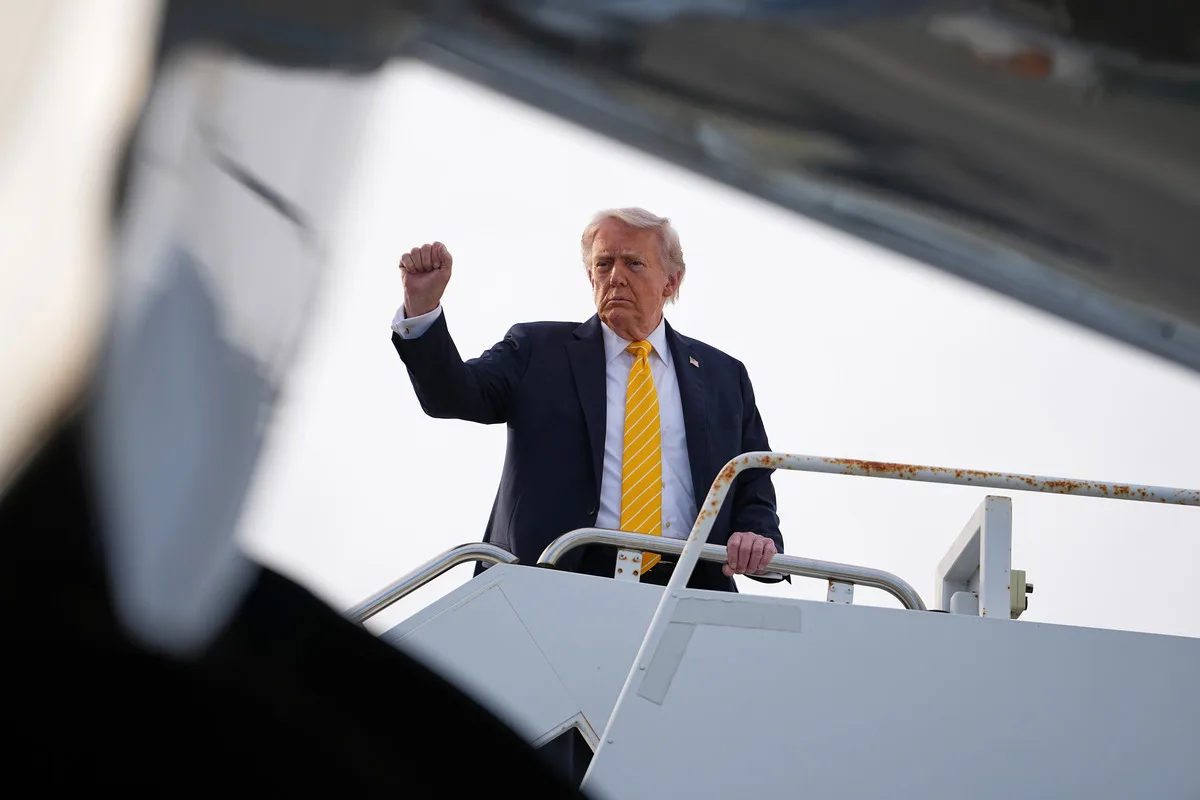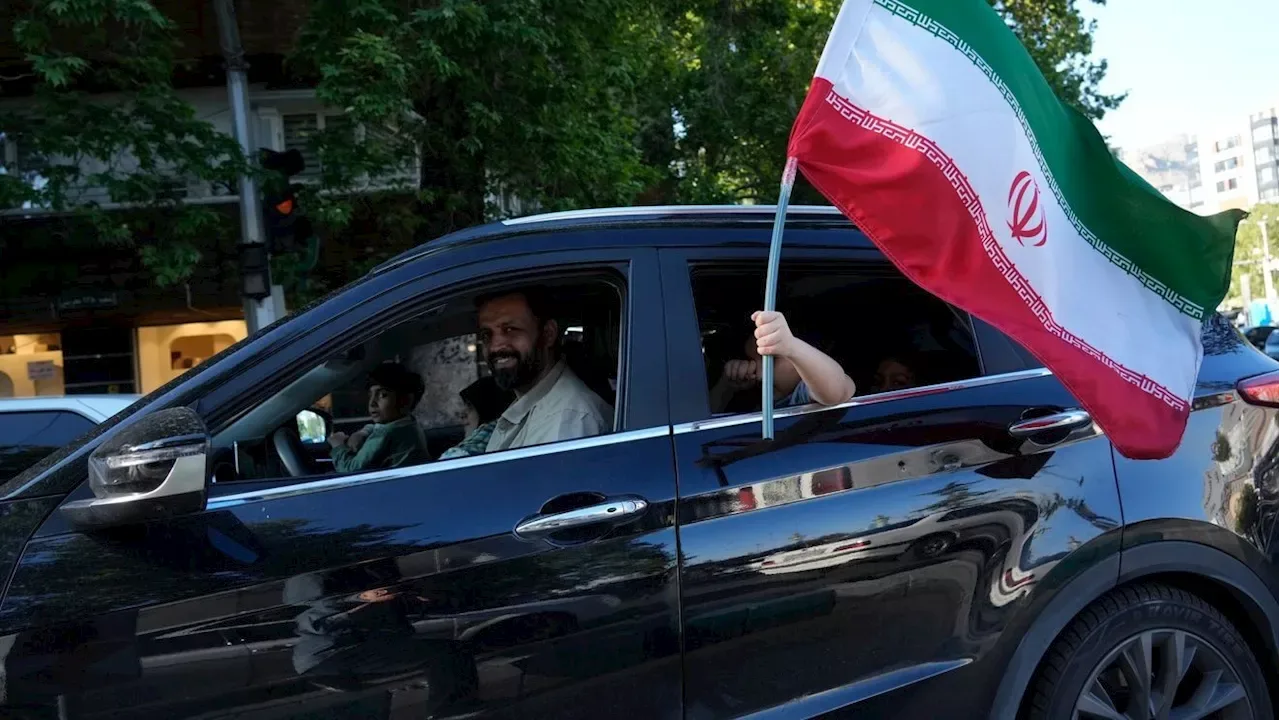
Iran presented a new diplomatic proposal calling for the resolution of disputes with the United States within 30 days and an end to the ongoing war, according to Iranian state-linked media. The proposal aims to terminate the conflict rather than merely extend an existing ceasefire that has held for three weeks. President Trump said Saturday he was reviewing the Iranian initiative but remained doubtful of its prospects, stating on social media that Iran had "not yet paid a big enough price for what they have done to Humanity, and the World, over the last 47 years" since the Islamic Revolution.
The Iranian 14-point proposal responds to a U.S. nine-point plan and includes demands that the United States lift sanctions on Iran, end its naval blockade of Iranian ports, withdraw military forces from the region, and cease all hostilities including Israeli operations in Lebanon. Iran's state-linked news agencies Nour News and Tasnim reported the specifics. Notably absent from the proposal were provisions addressing Iran's nuclear program and enriched uranium stockpiles—long central to U.S.-Iran tensions—suggesting Tehran prefers to address those issues at a later stage.

Pakistan's government continues to press for direct negotiations between Washington and Tehran. Pakistani officials, speaking anonymously, said the prime minister, foreign minister, and army chief are actively encouraging dialogue. On Sunday, Iran's Foreign Minister Abbas Araghchi spoke with Oman's Foreign Minister Badr al-Busaidi, who has facilitated previous rounds of talks between the adversaries.
Control of the Strait of Hormuz remains a flashpoint. Trump has proposed reopening the strategic waterway, through which roughly one-fifth of global oil and natural gas trade typically flows. Iran imposed restrictions on the strait during the war, disrupting international markets. Iran's deputy parliament speaker Ali Nikzad declared Sunday that Tehran would not restore prewar conditions and asserted that the strait "belongs to the Islamic Republic of Iran." Nikzad said ships not affiliated with the U.S. or Israel would be permitted passage after paying tolls, while the U.S. has warned shipping companies they risk sanctions for making such payments, including in digital form.
The American naval blockade of Iranian ports since April 13 has severely constrained Tehran's oil revenue as its economy deteriorates. The Iranian currency weakened further Sunday, with the dollar trading at 1,840,000 rials on Tehran's main currency exchange hub. The rial has plummeted from 1.3 million to the dollar in December, a previous record low that sparked widespread public protests over economic hardship. Iranian factories have reportedly declined to renew worker contracts following the Iranian new year in March, resulting in significant job losses.
Separately, the Norwegian Nobel Committee urged Iran on Saturday to immediately transfer imprisoned Nobel Peace Prize laureate Narges Mohammadi for medical care in Tehran following a sharp deterioration in her health. Mohammadi fainted twice in her northwestern prison on Friday and was hospitalized. Her lawyers believe she suffered a heart attack in late March. The 2023 laureate, a rights lawyer arrested in December, faces an additional seven-year sentence.