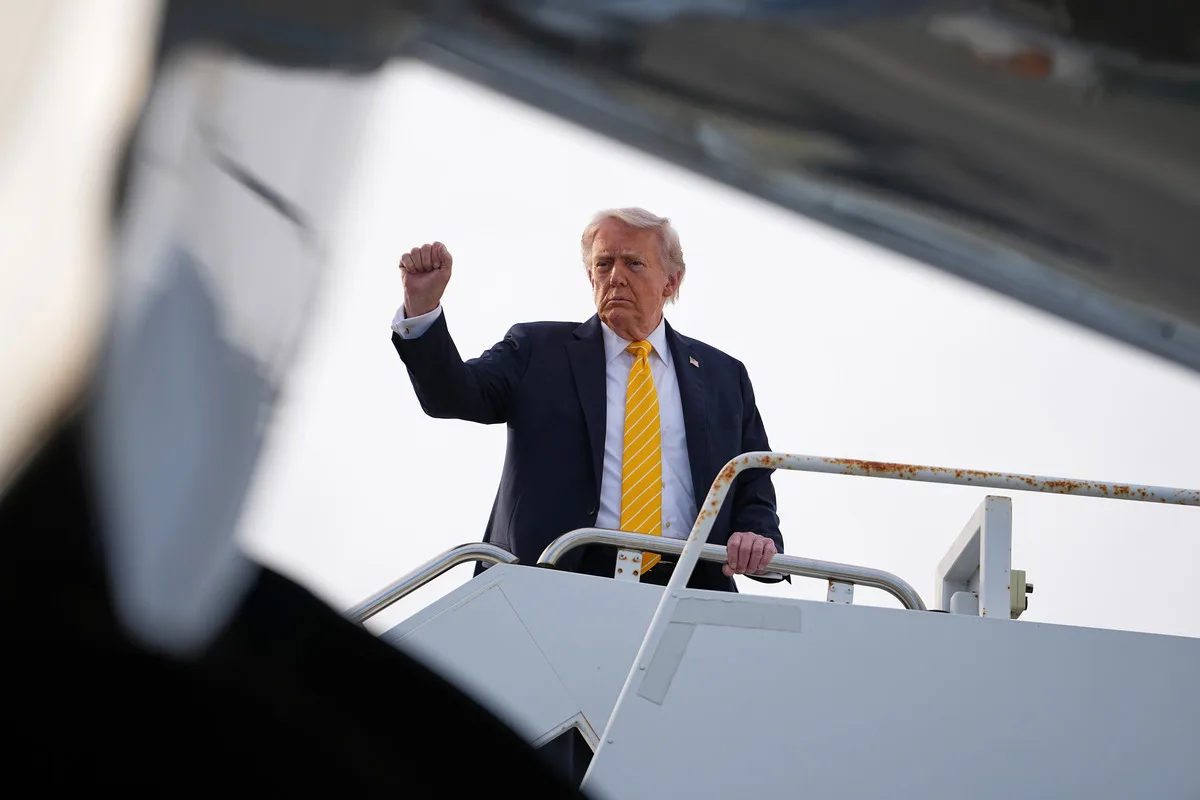
President Donald Trump is currently evaluating a newly submitted 14-point proposal from Iran intended to resolve the ongoing conflict. Before departing on Air Force One, Trump stated he would provide additional details later, noting he was still receiving the precise wording of the Iranian offer. On his Truth Social platform, however, he quickly expressed reservations, asserting that he found it difficult to envision the proposal as acceptable given what he characterized as Iran's failure to account for harm inflicted over the preceding 47 years.
According to reporting from Iranian news agencies Tasnim and Fars, both affiliated with Iran's paramilitary Revolutionary Guard, Tehran transmitted the proposal to the United States through Pakistan. The move came in response to a prior nine-point plan put forth by the US. Notably, Iran's state-run media outlets have not yet reported on the existence of this new proposal. Pakistan has previously served as a venue for negotiations between the two countries.

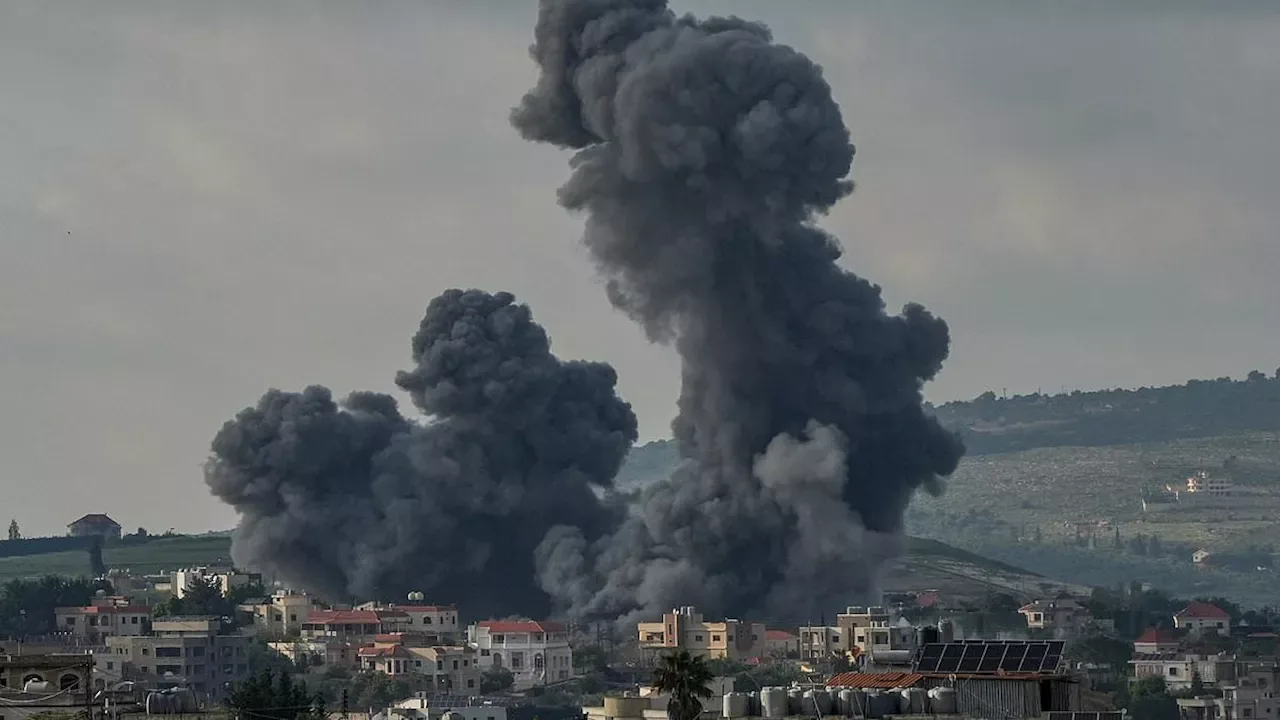
Trump's skepticism reflects a broader pattern of distrust toward Iranian proposals. The Trump administration has previously rejected Iranian proposals despite ongoing discussions and what sources describe as a fragile three-week ceasefire currently in place. The President's initial reaction suggests he views Iran as having insufficiently acknowledged or atoned for past actions.
The timing of the proposal coincides with mounting political pressure on Trump. Escalating costs of gasoline and household energy are becoming increasingly prominent concerns ahead of the November midterm elections. Analysis from the Center for Energy Poverty and Climate projects that average seasonal electricity expenditure for American consumers will rise by 8.5 percent this summer, from $717 to $778 between June and September.
The dispute has extended to maritime commerce. The United States has been exploring options to ensure uninterrupted trade through the Strait of Hormuz, a critical waterway at the mouth of the Persian Gulf responsible for approximately 20 percent of the world's oil and natural gas trade. Iran had disrupted traffic through the Strait by launching attacks on and issuing threats to vessels following the conflict's commencement on February 28th.
The Trump administration implemented a naval blockade of Iranian ports beginning on April 13th, aimed at depriving Tehran of oil revenue. The US Central Command reported that 48 commercial ships had been redirected. The administration has also broadened its warnings against financial transactions with Iran, prohibiting cash transfers, digital assets, offsets, informal swaps, and other in-kind payments, including charitable donations and payments through Iranian embassies.
Tensions have further escalated following Iran's announcement of the execution of two men convicted of espionage for Israel. According to Mizanonline, the judiciary's news outlet, Yaghoub Karimpour was accused of transmitting sensitive information to a Mossad intelligence officer, while Nasser Bekrzadeh allegedly provided details concerning government and religious figures and information related to Natanz, a nuclear enrichment facility previously targeted by Israeli and US attacks.