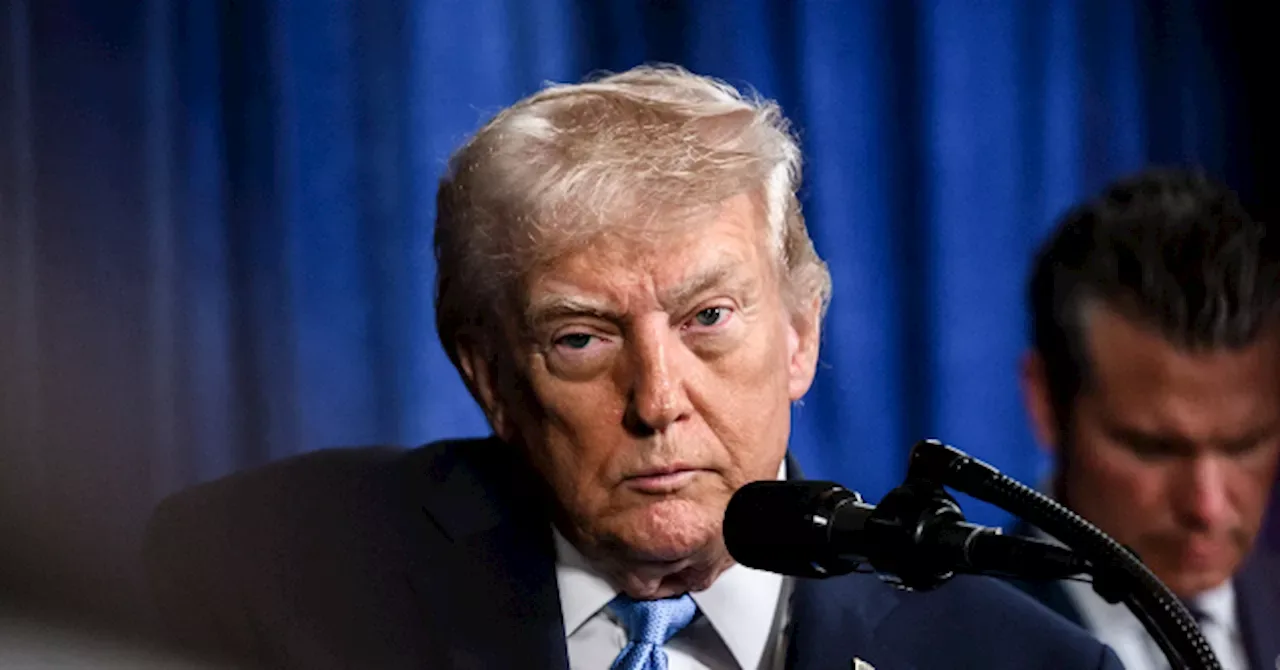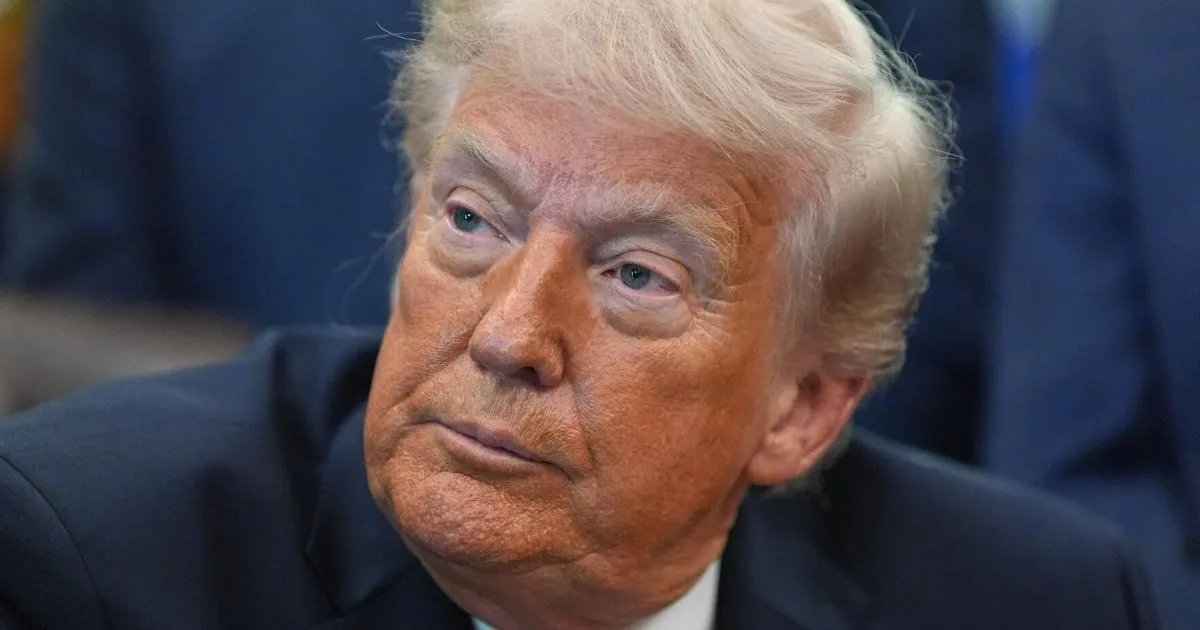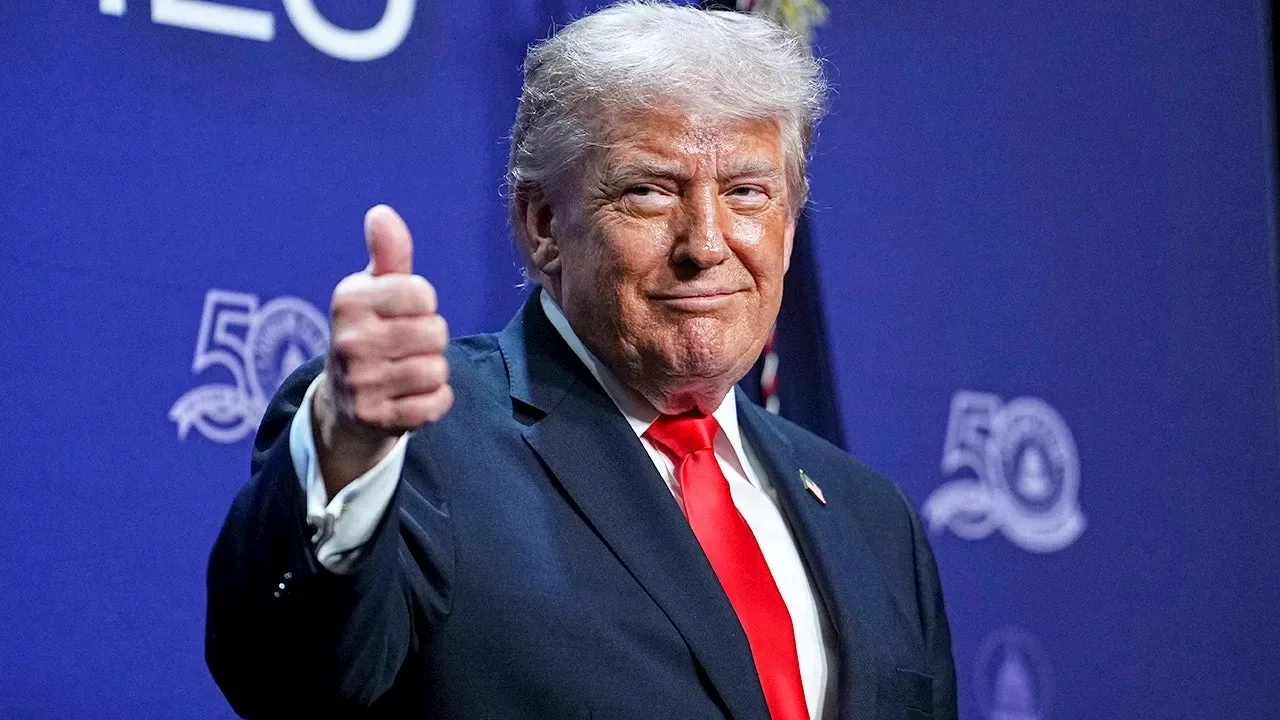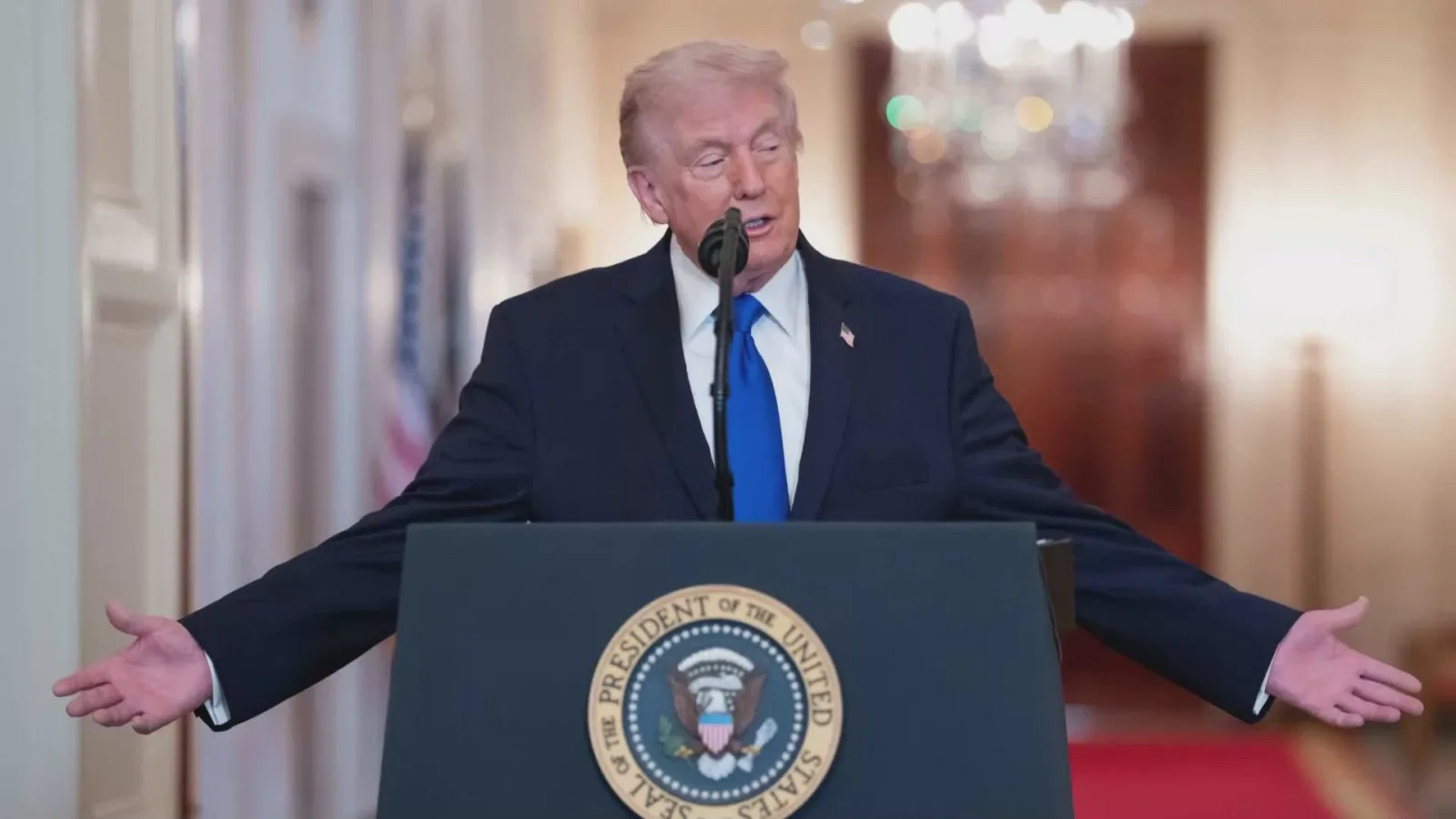
President Donald Trump acknowledged Saturday that Iran has submitted a fresh proposal to resolve ongoing tensions, yet signaled his skepticism about its viability. In a statement released through the State Department's X account, Trump indicated he would review the plan but expressed doubt about its adequacy. "I can't imagine that it would be acceptable in that they have not yet paid a big enough price for what they have done to Humanity, and the World, over the last 47 years," Trump stated.
The timing of Trump's skepticism—before formally reviewing the proposal—underscores the deep mistrust between Washington and Tehran. Earlier Saturday, Trump told reporters at West Palm Beach, Florida, that he was still examining the proposal's specific language. The Iranian semi-official news agencies Tasnim and Fars reported that Tehran submitted a 14-point proposal through Pakistan in response to a nine-point U.S. plan. Pakistan has served as an intermediary for communications between the two governments.

This latest Iranian offer follows an earlier proposal that Trump rejected this week. That rejected plan would have opened the Strait of Hormuz and ended the American blockade on Iran while deferring nuclear negotiations. An Iranian official told Reuters that Tehran viewed this sequencing as a significant strategic shift designed to create conditions for a broader agreement.
Under the framework Iran proposed, Tehran would reopen the critical waterway and the U.S. would remove its blockade, with subsequent negotiations focused on limiting Iran's nuclear program in exchange for sanctions relief. Iran has also demanded that Washington acknowledge its right to peaceful uranium enrichment, even if it agrees to suspend certain nuclear activities.
Trump has consistently maintained that any agreement must include ironclad guarantees preventing Iran from developing nuclear weapons. Iran maintains its nuclear program is exclusively peaceful. The diplomatic efforts are occurring against the backdrop of a fragile three-week ceasefire following months of escalating conflict that began when the U.S. and Israel launched strikes against Iran on February 28.
The dispute has disrupted global energy markets significantly. Iran's blockade of most Gulf shipping through the Strait of Hormuz—one of the world's most critical petroleum and natural gas routes—has created supply concerns worldwide. The U.S. has also warned shipping companies that sanctions may follow if they compensate Iran for safe passage through the strait, whether through direct payments, digital assets, or indirect arrangements.