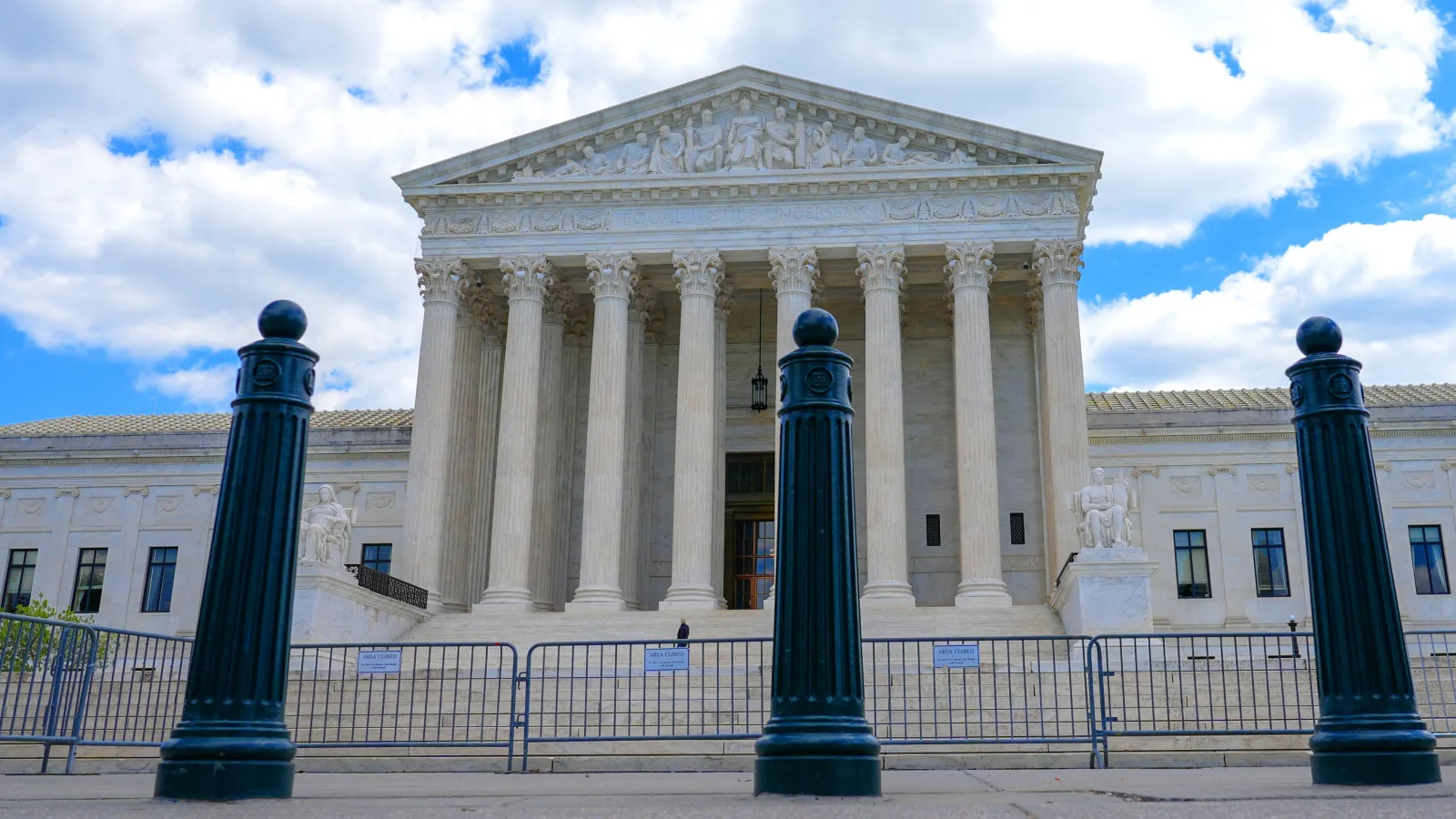
In a 6-3 decision Wednesday, the U.S. Supreme Court ruled that Louisiana's second "majority-minority" congressional district constituted racial gerrymandering, striking down protections that had undergirded Black political representation for nearly six decades. The ruling in Louisiana v. Callais eliminates political parity for Louisiana's Black community, which comprises 32.8 percent of the state's population. The invalidated district would have provided Black voters with proportional representation—one-third of Louisiana's six congressional seats.
The decision effectively neutered Section 2 of the Voting Rights Act, the provision amended by Congress in 1982 that prohibited voting practices that diluted minority political power. That 1982 amendment mandated the creation of majority-minority districts to ensure racial and language minorities were not submerged into the majority and thereby denied equal opportunity to elect candidates of their choice. The Senate passed those revisions overwhelmingly, 85-8, and President Ronald Reagan signed the legislation.

The practical impact has been substantial. Following the 1965 Voting Rights Act's passage, Black voter registration soared from 20 percent in 1960 to over 65 percent by 1972. Black elected officials—numbering roughly 100 before the law's enactment—grew to more than 3,500 a decade later and exceeded 10,500 by 2025. In Congress, Black representation has reached 67 members: 62 representatives and five senators in the current session, compared to just five congresspeople in 1965 with no senators or governors.
The Louisiana ruling carries immediate consequences. Approximately 70 of the 435 congressional districts nationwide fall under Section 2 protections. The decision places between 25 and 30 percent of Congressional Black Caucus seats and roughly 11 percent of House Hispanic Caucus seats at risk. Black Voters Matter estimates the ruling could enable Republicans to gain up to 19 additional congressional seats and 191 state legislative seats, potentially accelerating a return to one-party Republican dominance in the South.
The decision arrives as federal appointments of high-level Black officials in the bureaucracy and military have been terminated, compounding the erosion of Black political influence. Together, these developments represent a significant reversal of gains achieved through voting rights enforcement over the past sixty years.