

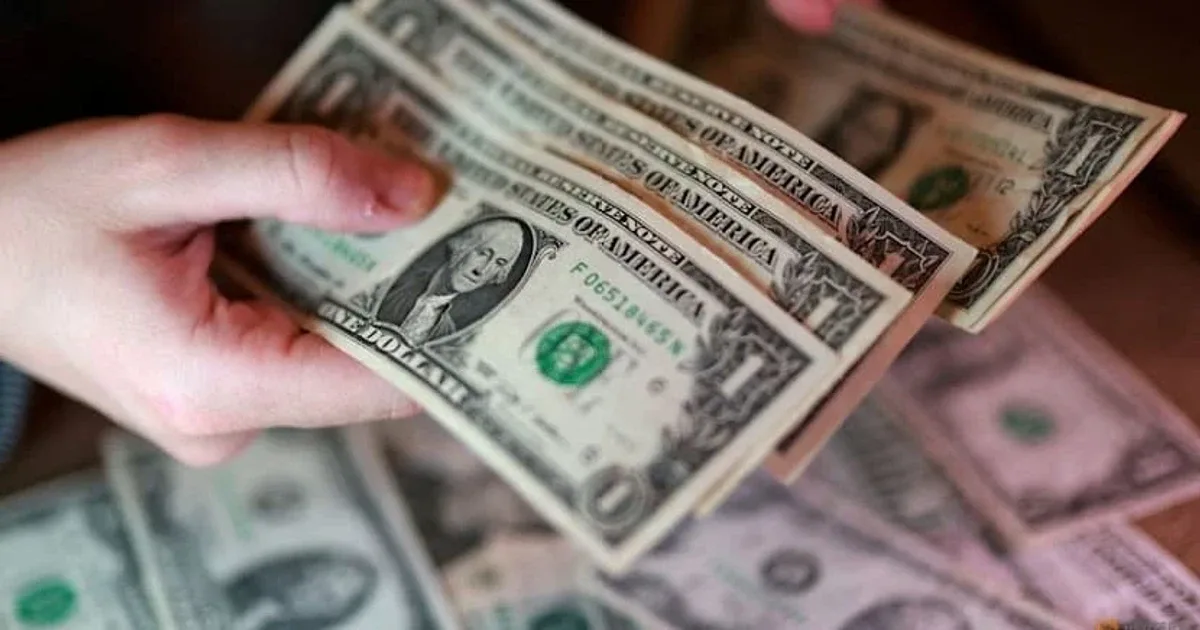
The US dollar climbed sharply to a 13-month high, hitting 101.51, driven by investor bets on renewed interest rate hikes by the Federal Reserve. This marked the dollar’s strongest position since May of last year as traders sought refuge amid growing expectations of tighter monetary policy.
The shift followed the Fed’s recent decision to maintain its benchmark interest rate between 3.50% and 3.75%, but notably removed language that previously hinted at potential rate cuts. The updated Fed projections revealed that nearly half of policymakers anticipate at least one rate increase in 2026, fueling speculation about the central bank’s future moves. According to CME FedWatch data, the probability of a July rate hike surged to over one-third, while the chance of a September increase more than doubled compared to the previous week.

This strengthening of the dollar exerted immediate pressure on other major currencies. The euro fell to near a one-year low at approximately $1.1363, while the Japanese yen hovered close to its weakest point since 1986, trading around 161.55 against the greenback. These trends intensified concerns for exporters and international businesses, as a stronger dollar increases the cost of American goods abroad and curbs competitiveness against rivals in Europe and Japan.
Wall Street’s recent turbulence added to the flight towards the dollar and safe-haven assets like US Treasury bonds. Technology sectors faced steep declines, with the Philadelphia Semiconductor index falling nearly 8% and the S&P 500’s information technology segment dropping significantly. The Nasdaq Composite and broader S&P 500 also closed at multi-session lows as investors retreated from the megacap tech stocks that had driven gains earlier in the year. Heightened volatility stemmed partly from concerns over Fed policy tightening and the sustainability of debt-funded investments in artificial intelligence.
Financial analysts noted that while the US dollar remains the preferred safe haven in volatile markets, much of the recent rally has already been factored into prices unless global risk sentiment deteriorates further. Meanwhile, Japan’s authorities signaled readiness to intervene if currency moves threaten economic stability.