

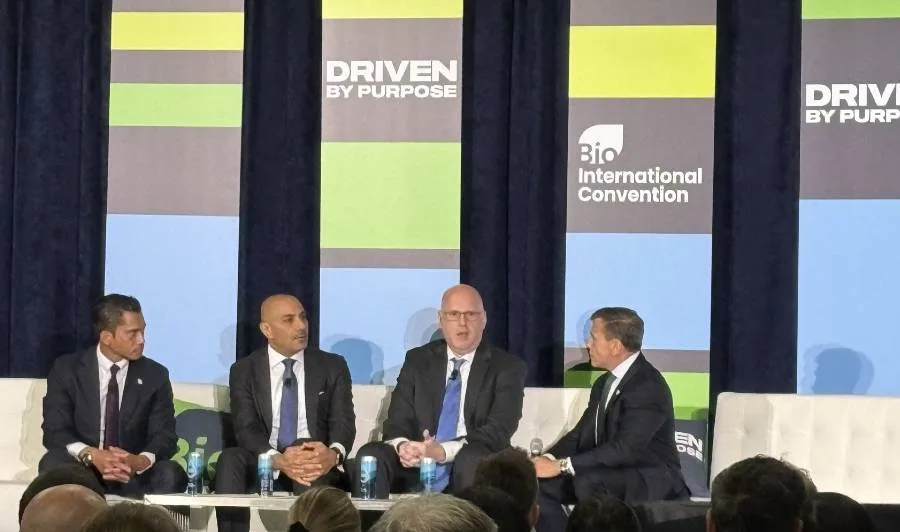
The U.S. Food and Drug Administration is actively addressing workforce shortages and operational shifts amid intensifying competition with China in biotechnology innovation. During a recent town hall at the Biotechnology Innovation Organization (BIO) conference, FDA acting leaders highlighted ongoing efforts to rebuild the agency’s staff and modernize regulatory frameworks, particularly for rare diseases and patient-centered approaches.
In response to significant reductions in personnel caused by prior government efficiency drives and rapid leadership turnover, the FDA intends to stabilize and expand its workforce. Over two thousand authorized positions across the agency remain open, with about six hundred new hires currently in the onboarding process. Increasing staff retention and recruitment has become a top priority to restore institutional knowledge and improve morale, according to the acting director of the Center for Drug Evaluation and Research (CDER).

Beyond workforce revitalization, FDA representatives emphasize a broader cultural and operational transformation. They are reviewing traditional regulatory paradigms to enhance flexibility and responsiveness in drug approval processes. This includes integrating patient perspectives more deeply into the development continuum and preparing to meet future scientific and public health challenges efficiently. The Center for Biologics Evaluation and Research (CBER) is working both on processing current submissions and anticipating forthcoming demands to prevent backlog accumulation.
The agency’s leadership acknowledges the disruptions caused by previous staffing cuts and leadership gaps but focuses on moving forward with clear mission-driven initiatives. Efforts to boost internal morale and focus on executing announced programs underpin the FDA’s current strategy. According to the acting chief of staff, the agency is committed to reinforcing its operational capacity to better compete internationally and meet evolving biotechnology demands.