

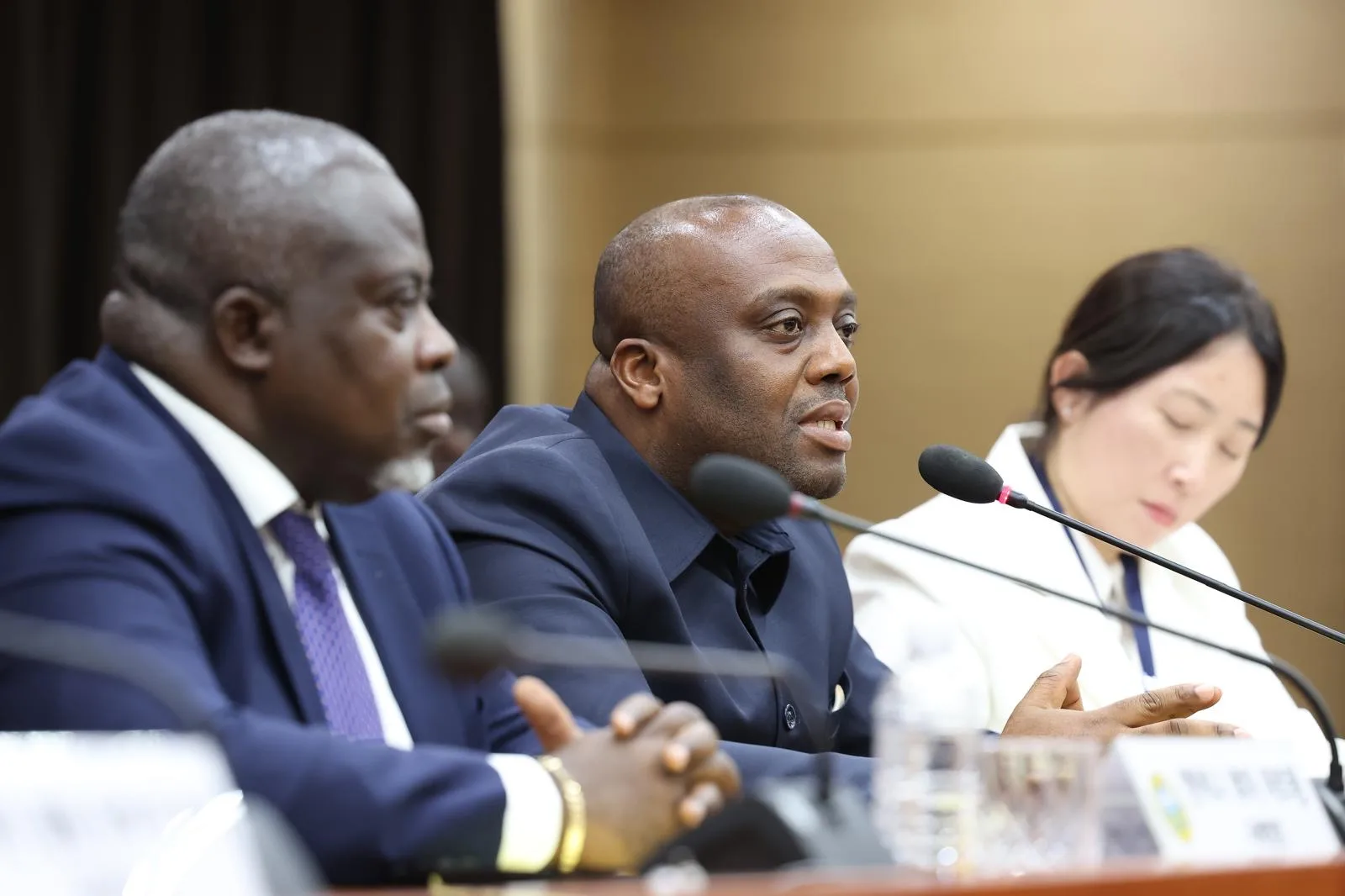
Ghana’s tax-to-GDP ratio is projected to improve from roughly 12.3% to about 14% in 2025, signaling progress in the country’s efforts to boost domestic revenue and maintain fiscal stability. This development comes amid a series of reforms aimed at strengthening tax administration and public financial management.
The deputy finance minister emphasized that this fiscal milestone aligns with Ghana’s broader goal of sustaining macroeconomic stability after completing an IMF-supported bailout program. He highlighted that the government continues to pursue policies that promote inclusive economic growth while enhancing domestic revenue mobilisation.

Despite this improvement, the tax-to-GDP ratio remains below the average of comparable developing countries. This gap underscores the need for ongoing reforms focused on increasing efficiency, cutting revenue leakages, expanding the tax base, and improving voluntary compliance. Achieving these goals involves modernising revenue administration through integrated systems, enhancing institutional capacity, fostering better coordination among government agencies, and leveraging technology.
Central to these efforts is the Ghana Tax Modernisation Project (2023–2026), a strategic initiative supported by the Korea International Cooperation Agency and the Korea Institute of Public Finance. The project aims to overhaul Ghana’s tax system by embracing innovation, strengthening institutions, and building capacity. It is expected to produce a comprehensive Tax Modernisation Master Plan to steer future reforms.
The deputy minister emphasized that beyond increasing revenue collection, the project seeks to establish a tax administration framework that is efficient, transparent, and citizen-centered. This technology-driven approach is designed to build public trust and support Ghana’s long-term development objectives.
Appreciation was extended to the Government of Korea and development partners for their ongoing support, which is seen as vital to consolidating Ghana’s recent economic gains and advancing fiscal sustainability.