

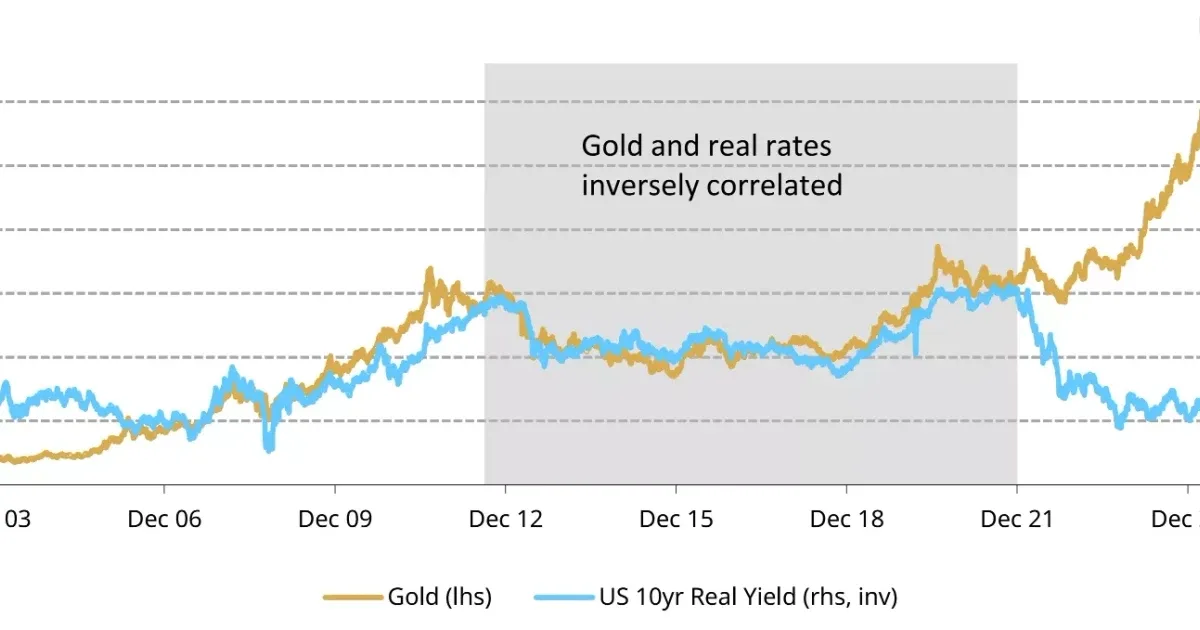
Interest in gold Individual Retirement Accounts (IRAs) has surged as inflation concerns prompt investors to explore gold as a hedge within their retirement portfolios. However, these accounts operate under strict Internal Revenue Service (IRS) regulations that affect contributions, eligible assets, and storage, challenging the perception of gold IRAs as a simple, risk-free investment.
A gold IRA is a self-directed retirement account that holds physical precious metals meeting IRS purity standards. Investors must keep the gold in custody with an approved financial institution or trustee rather than holding the metal personally. The IRS limits IRA contributions annually and enforces complex rules on distributions to maintain the account’s tax-advantaged status. Violating these rules can disqualify the entire IRA, potentially triggering significant tax consequences.

Despite the regulatory framework, marketing for gold IRAs often emphasizes reliability and credibility, citing accreditation such as Better Business Bureau (BBB) standing and highlighting minimum investment requirements that may range from $10,000 to $50,000 depending on the company. Yet, these offers conceal multiple layers of fees, including account setup, annual management, storage, and dealer markups applied on top of fluctuating gold prices. The IRS explicitly states that it does not endorse any IRA investments, underscoring the buyer’s need for caution.
The growing demand for gold globally underpins the recent popularity of these retirement accounts. The World Gold Council reported that in 2025, total gold demand exceeded 5,000 tonnes, setting new records in volume and value. This surge was largely propelled by robust investment interest and increasing official-sector purchasing, particularly central banks, which elevated their holdings substantially in the fourth quarter of 2025. Conversely, high prices moderated demand for jewelry, illustrating shifting gold consumption patterns in response to market conditions.
While gold’s appeal as an inflation hedge remains significant, its inherent price volatility presents challenges for long-term retirement planning through a gold IRA. The World Gold Council’s outlook highlights ongoing geopolitical tensions and anticipated shifts in monetary policy as factors that could influence gold’s market trajectory, though these remain inherently uncertain.