

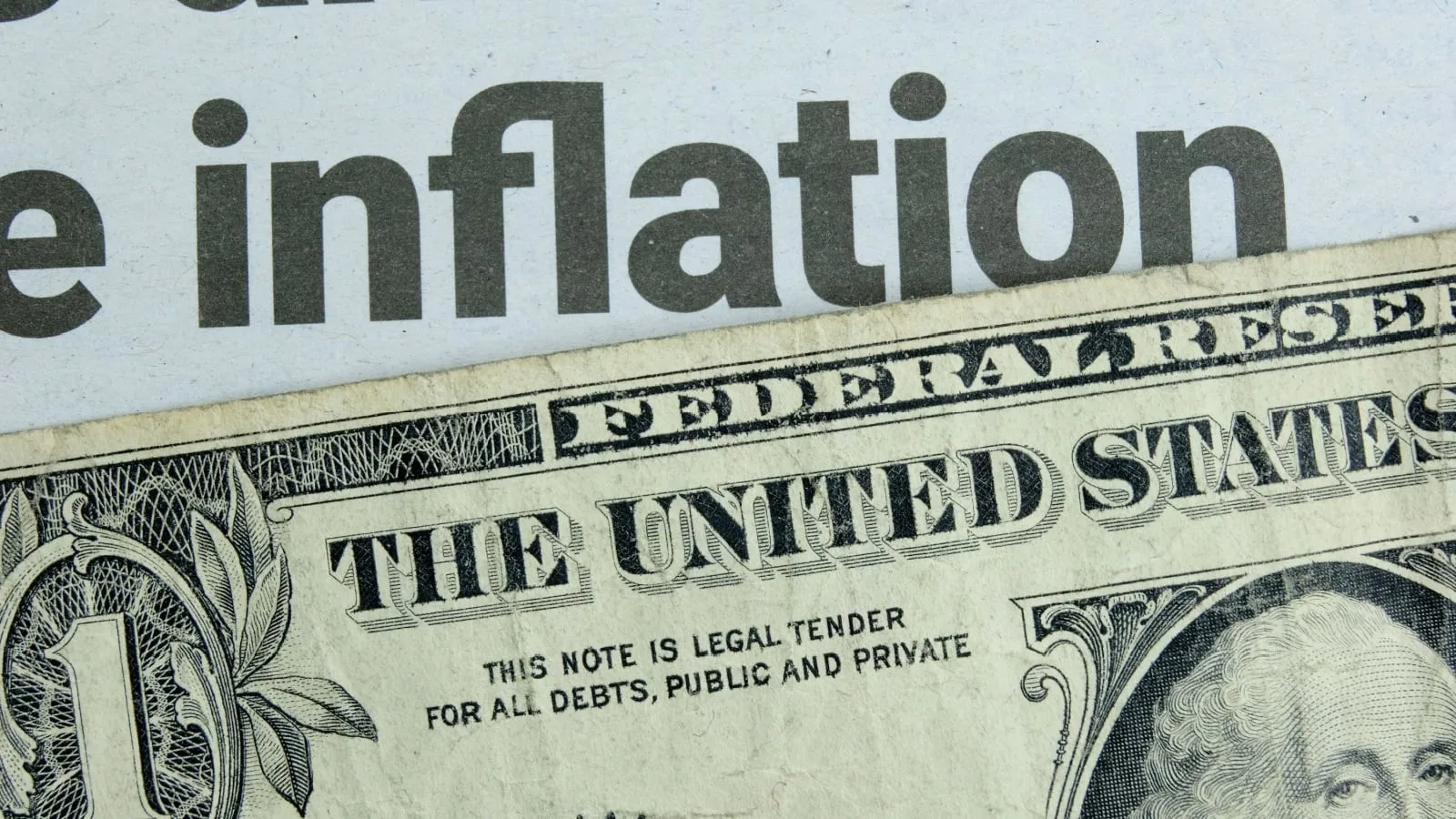
Recent inflation data has reignited concerns about rising costs, primarily driven by a sharp increase in energy prices linked to geopolitical tensions. Consumer prices climbed notably, with the Consumer Price Index (CPI) rising 0.5% in May and advancing 4.2% over the past year. Energy costs surged nearly 4%, while housing costs, reflected in owner’s equivalent rent, showed modest increases. Despite these upticks, core inflation—which excludes food and energy—grew at a slower pace of 0.2% monthly and 2.9% annually, suggesting underlying inflation pressures remain more contained.
Wholesale inflation painted a starker picture. The Producer Price Index (PPI), which measures costs at the producer level, jumped 1.1% in May, marking its highest annual increase since late 2022, driven by a staggering 10.7% rise in wholesale energy prices alone. This disparity underscores that much of the inflation surge stems from volatile energy markets—a factor largely beyond central bank control.

Geopolitical developments partly eased these tensions when the U.S. and Iran reached an interim agreement to reopen the Strait of Hormuz, a critical shipping route for crude oil. This move led to a dip in oil prices, although final negotiations remain ongoing, and elevated energy costs are expected to persist in the near term. This energy-driven inflation surge poses a unique challenge for monetary policymakers since hiking interest rates cannot directly alleviate raw energy price spikes or supply chain disruptions.
While some central banks, notably the European Central Bank, have responded to rising inflation by increasing interest rates despite fragile economic conditions, market observers widely expect the Federal Reserve to hold rates steady in the near term. The U.S. economy continues to demonstrate robust momentum, with the Atlanta Fed projecting strong GDP growth in the second quarter and optimism surrounding manufacturing, services, and retail sectors. There is speculation that the growth rate could accelerate further in the upcoming quarter.
Against this backdrop, the Federal Reserve may prioritize supporting ongoing economic expansion over immediate rate hikes, with the possibility of rate reductions later in the year if current conditions persist. Investors face a market environment where strong stocks continue to outperform weaker peers despite inflation pressures, particularly as the energy price surge tests corporate fundamentals and market resilience.