

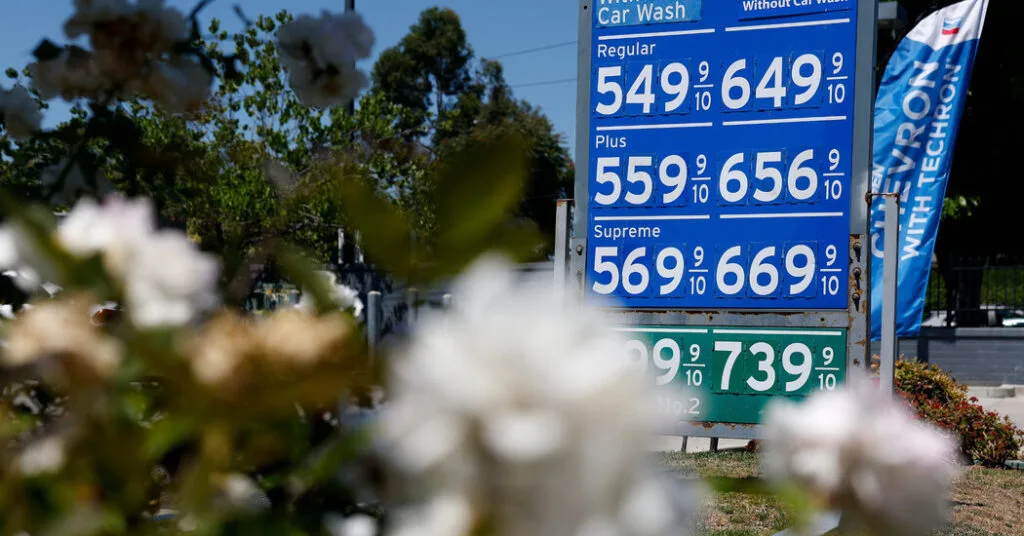
Inflation in the United States picked up momentum in May, propelled not only by a spike in energy costs tied to the conflict with Iran but also by a broader rise in consumer prices. The Personal Consumption Expenditures (PCE) price index, the Federal Reserve’s favored inflation gauge, climbed 0.4 percent for the month and reached an annual increase of 4.1 percent, marking the fastest yearly inflation rate in over three years.
This inflation surge extends beyond energy prices. Although elevated oil costs were the chief driver, their impact has started to diminish following a recent U.S.-Iran agreement that eased tensions and reopened the Strait of Hormuz. Meanwhile, the core PCE index, which excludes food and energy due to their volatility, increased 0.3 percent in May and rose 3.4 percent year-over-year. This indicates that inflationary pressures are spreading broadly across the economy.

The rise in inflation creates a complex scenario for the Federal Reserve under its new leadership. While President Trump has called for interest rate cuts, about half of Fed officials signaled at their latest meeting the possibility of raising rates before the end of the year to combat inflation risks. Market participants are growing more confident that tighter monetary policy may be necessary.
Despite the inflationary environment, consumer spending showed resilience by expanding 0.7 percent in May, outpacing price increases. Personal income rose by a similar 0.7 percent, reflecting a strong labor market that helps households manage rising costs. This balance between higher prices and growing incomes complicates the economic outlook for policymakers facing the dual challenge of sustaining growth while controlling inflation.