

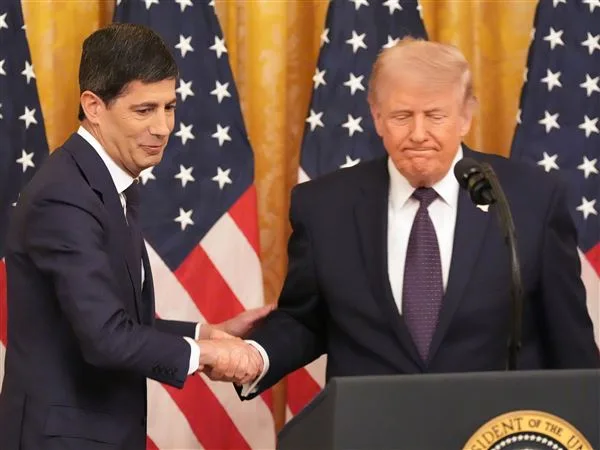
Kevin Warsh’s first actions as the head of the Federal Reserve have drawn intense scrutiny from financial markets and policymakers alike. His approach to managing interest rates is seen as a critical signal for the central bank’s future monetary policy direction.
Investors are watching closely to see whether Warsh will maintain the Fed’s existing stance on interest rates or signal a shift in response to evolving economic indicators such as inflation rates, employment figures, and global financial developments. His decisions could influence borrowing costs, consumer spending, and overall economic growth.

Warsh inherits a complex economic landscape where balancing inflation control with supporting recovery remains a challenge. Analysts emphasize that his rate policy will need to navigate competing pressures from rising commodities prices, fluctuating market confidence, and international economic conditions.
Although Warsh’s specific plans remain under wraps, early statements underscore a readiness to respond flexibly to incoming data. This adaptability is viewed as crucial to maintaining market stability and confidence in the Fed’s commitment to its dual mandate of price stability and maximum employment.