

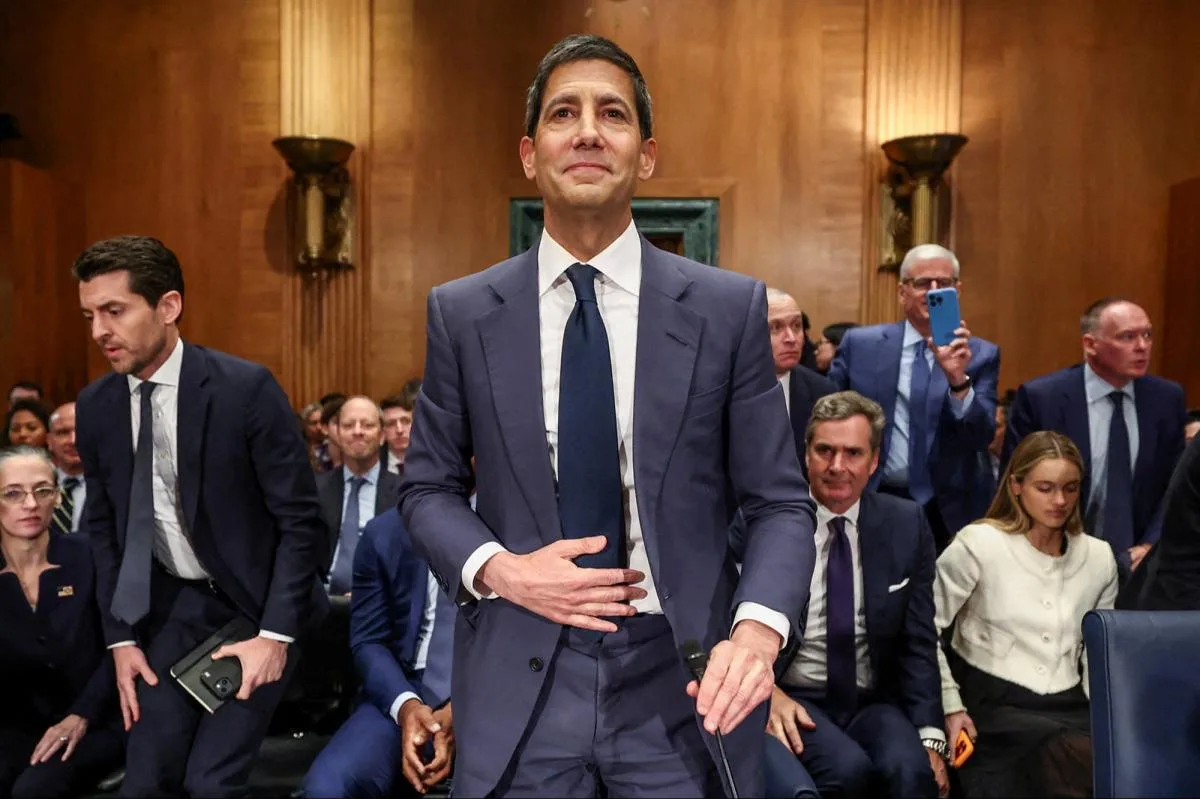
The Senate confirmed Kevin Warsh to the Federal Reserve board in a closely contested 51-45 vote, moving him closer to becoming the central bank’s next chairman. The recent approval of a cloture motion signals an end to debate, setting up a confirmation vote for his chairmanship as soon as Wednesday evening.
Warsh’s nomination has faced significant resistance since President Trump selected him in January to replace Jerome Powell. Senator Thom Tillis, who initially opposed Warsh, lifted his hold following the Department of Justice’s decision to end a criminal investigation linked to Powell’s handling of the Fed’s costly headquarters renovation. Despite this, Trump has not ruled out pursuing alternative inquiries into Powell’s stewardship, particularly regarding interest rate policies.

Democratic opposition remains strong, with Senator Elizabeth Warren condemning Warsh as a political opportunist who shifted his stance on inflation to secure the chairmanship. During his confirmation hearing, Warsh criticized current Fed policies, condemning the 2020 inflation framework changes and expressing skepticism about the Fed’s expanded focus on climate change and racial equity. He argued the Fed should “stick to its lane” and focus strictly on monetary policy.
Warsh’s economic outlook hinges on the productivity gains promised by artificial intelligence, which he says will ultimately lower inflation by enabling companies to produce more with fewer workers. However, some economists caution that the surge in AI-related investments—such as data centers and energy infrastructure—could increase inflation temporarily.
He has also openly challenged the Fed’s culture, likening officials to “pampered princes” and calling for greater humility and adaptability among central bankers. Warsh envisions more rigorous internal debates over policy direction, describing his desired dynamic as a “family fight.” His remarks reflect a broader debate over the Fed’s role and strategy amid shifting economic conditions and political pressures.