

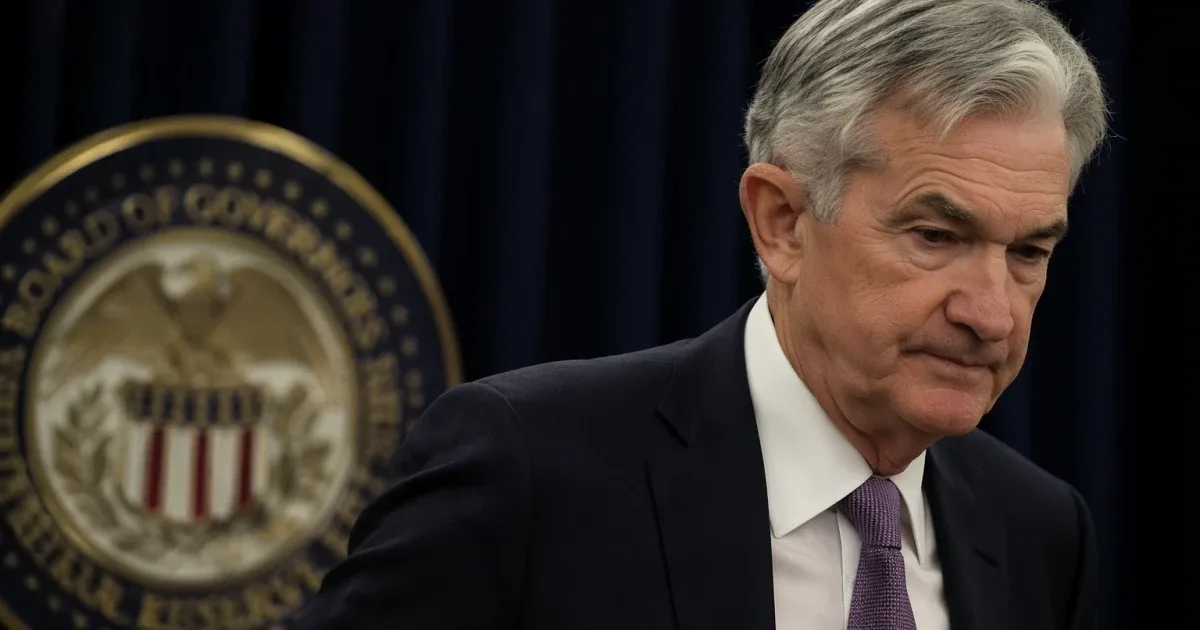
Inflation in the United States accelerated in May, with the personal consumption expenditures (PCE) price index rising by 4.1% compared to a year earlier, marking its highest reading since April 2023. This renewed upward trend in inflation keeps the Federal Reserve’s possibility of increasing interest rates later this year actively on the table as policymakers confront persistent price pressures.
Monthly data showed a 0.4% increase in the PCE index, while core inflation—which excludes volatile food and energy prices—rose by 3.4% year-over-year, up from 3.3% in April. Core prices climbed 0.3% from the previous month, underscoring persistent inflation in sectors outside energy markets. These figures complicate the Fed’s efforts to bring inflation back to target levels, despite some easing in energy costs tied to oil price declines following a tentative peace agreement involving the U.S. and Iran.

Consumer spending remained robust, driving much of the inflation momentum. Personal consumption expenditures increased by $156.1 billion, or 0.7% in May, while real spending—adjusted for inflation—also grew by 0.3%. The increase was primarily driven by services, which accounted for $94.3 billion of new spending, alongside a $61.8 billion rise in goods purchases. On the income side, personal income and disposable income each rose by 0.7%, with personal savings totaling $704.2 billion and the saving rate holding at 3.0%.
The stability in household spending despite higher prices implies continued demand-driven inflationary pressures. Economists emphasize that this resilience limits the Federal Reserve’s flexibility. Market expectations have already priced in at least one rate hike in September. Several analysts suggest inflation remains too elevated to allow for a pause in tightening at upcoming Fed meetings, pointing to stubborn service sector costs as a key challenge.
This inflation report also carries political implications. Elevated prices continue to create challenges for Republicans, including former President Trump, who has made lowering inflation a cornerstone of his 2024 campaign platform. Consumer price pressures persist despite tariffs and cost-of-living concerns, complicating efforts to fulfill that pledge while spending levels stay high.
The next update from the Bureau of Economic Analysis on personal income and outlays is expected later this year, a key data release that will further inform monetary policy decisions amid the ongoing inflation debate.