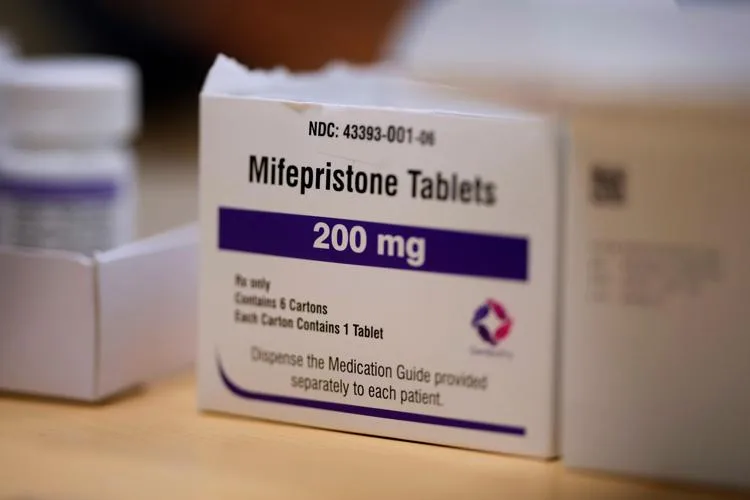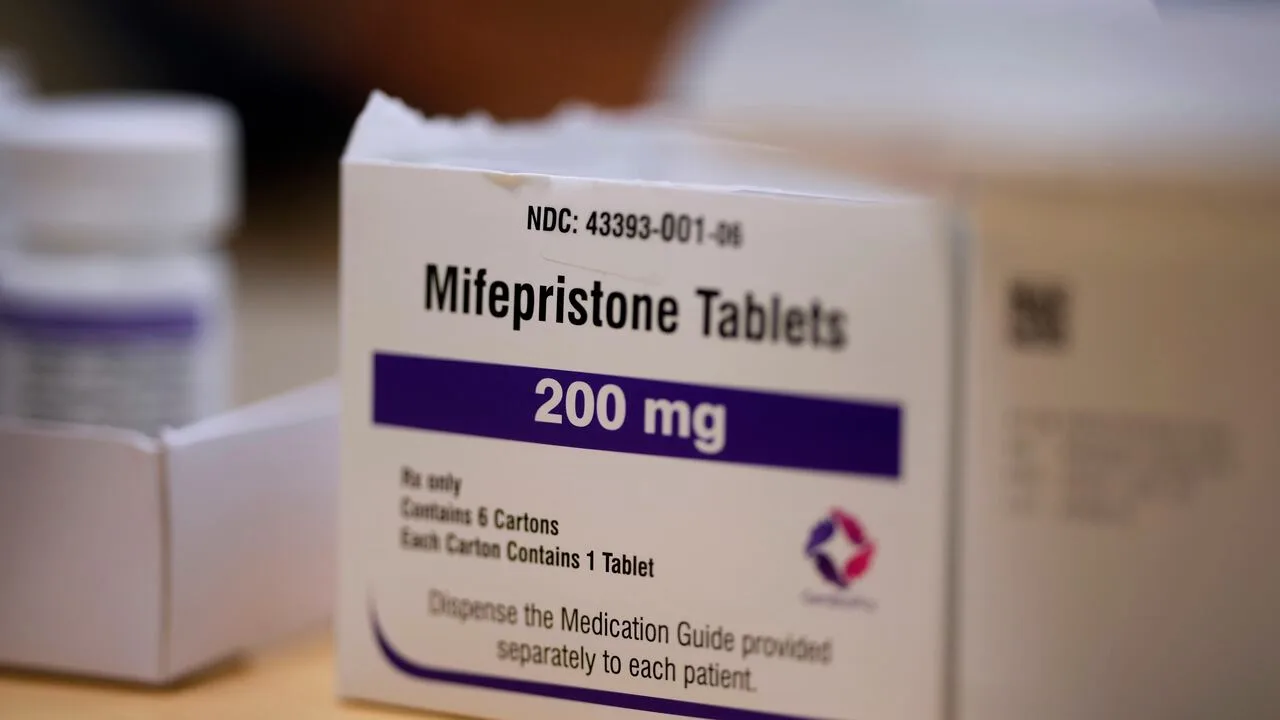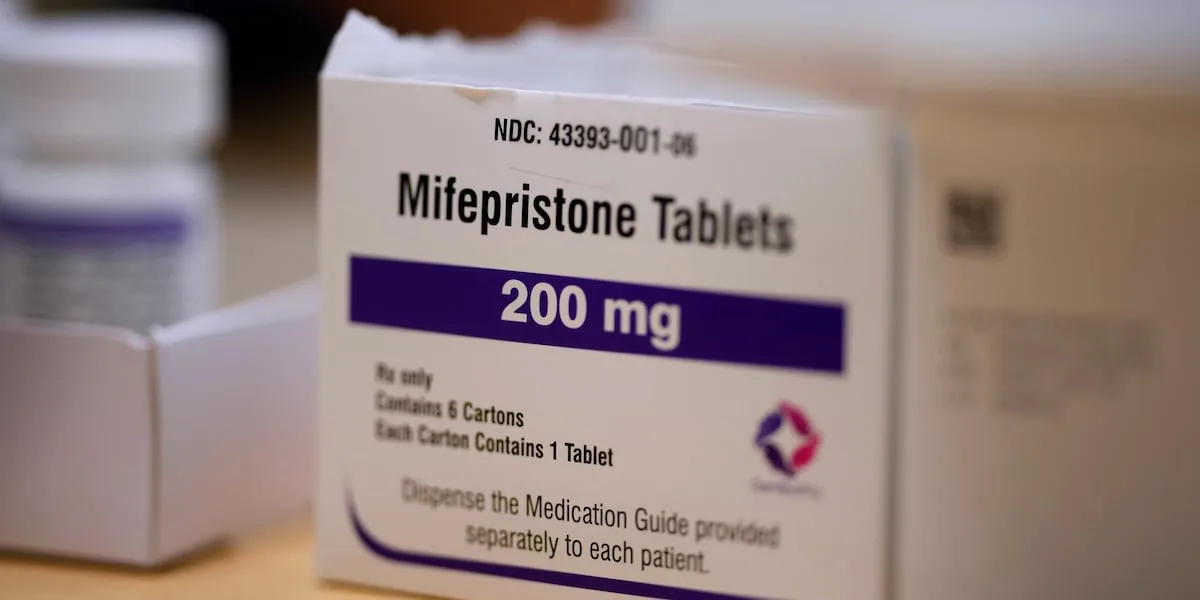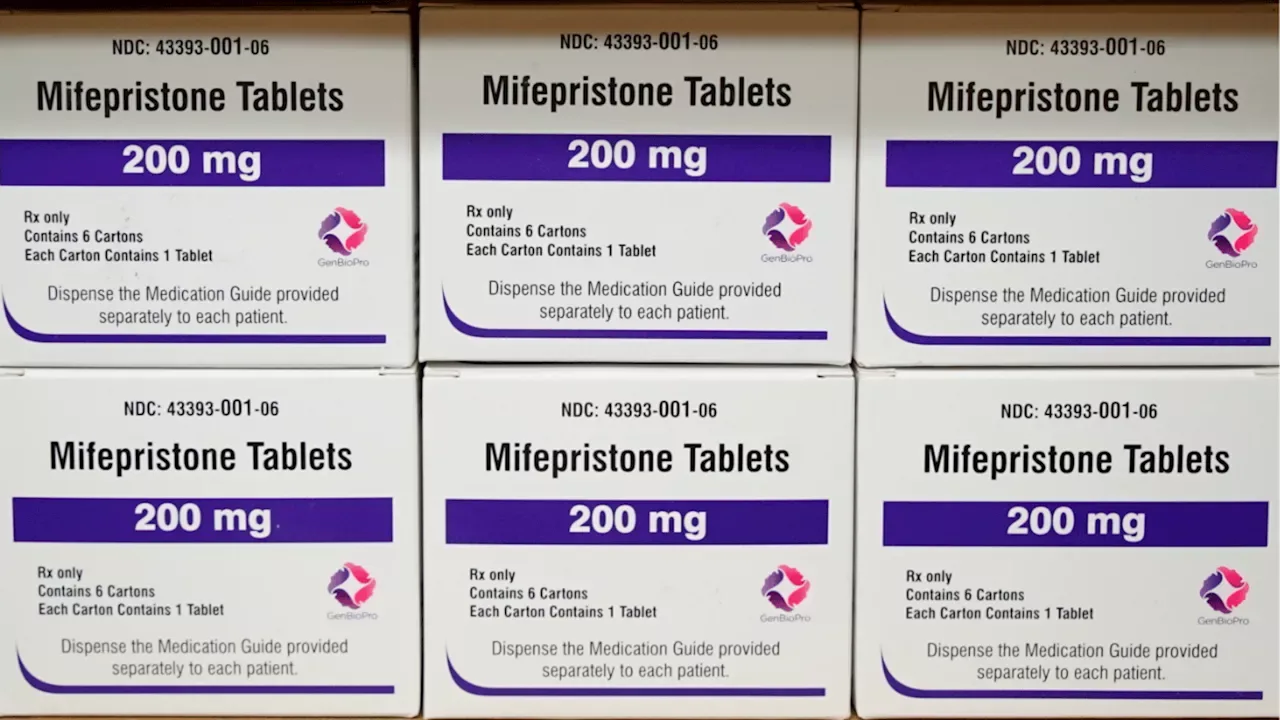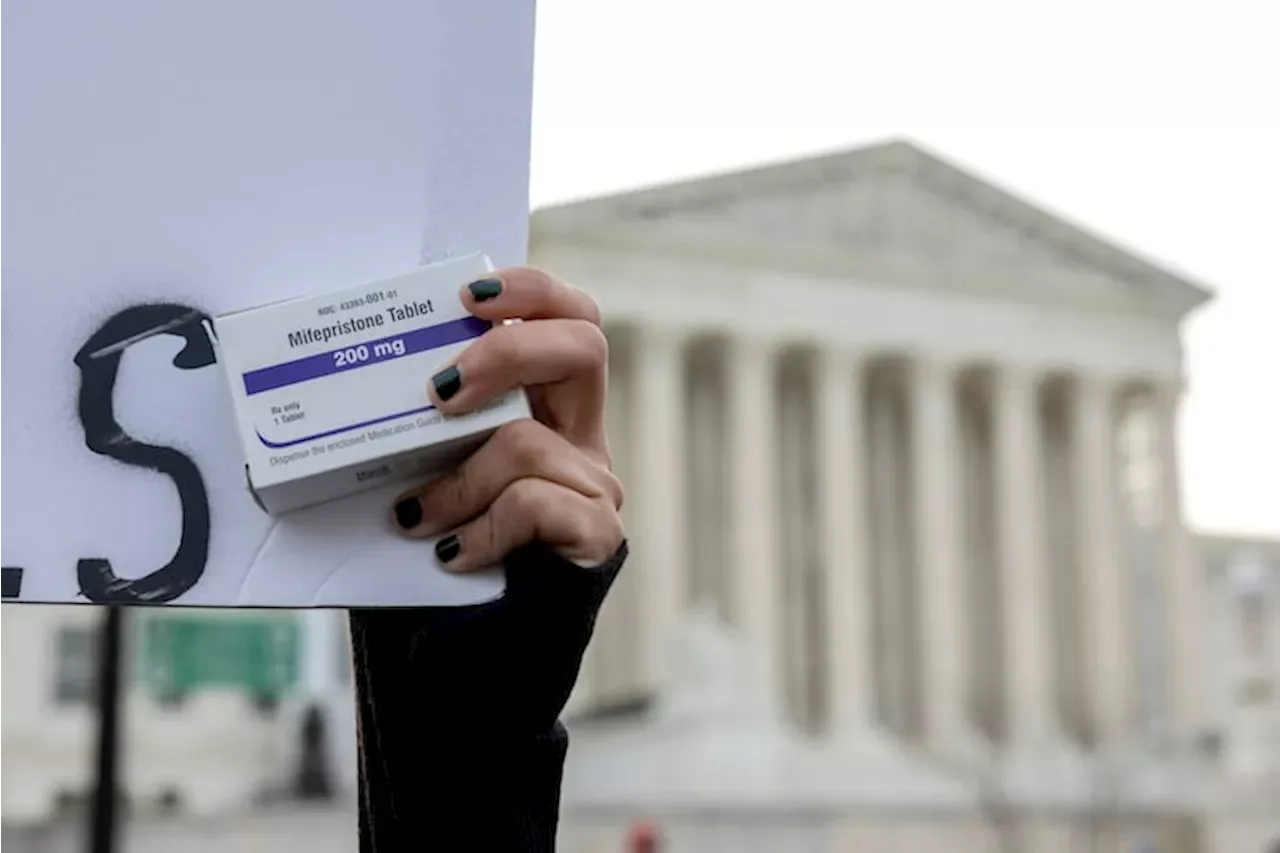
Danco Laboratories filed an emergency appeal with the Supreme Court on Saturday, seeking an immediate pause on a ruling issued Friday by the U.S. Court of Appeals for the 5th Circuit in New Orleans. The lower court's decision reinstates an in-person pickup requirement for mifepristone, a drug approved by the FDA more than two decades ago that is used in conjunction with another medication called misoprostol to end early pregnancies.
The 5th Circuit ruling emerged from a Louisiana lawsuit challenging FDA policies that have permitted patients to access the drug through telehealth consultations and mail delivery. Danco argued in its filing that the appeals court's order is unprecedented, stating that no federal court has previously moved to immediately restrict a drug approval system that has been in use for years, nor reinstated conditions the FDA had determined do not meet legal requirements for safety protocols.

The Supreme Court has not indicated when it will rule on the emergency application. The timing of any decision remains unclear, though legal experts have long anticipated that abortion pill access would return to the high court for review.
The case reflects deepening legal battles over medication abortion nationwide. In response to state-level abortion restrictions, reproductive rights advocates in eight Democratic-led states passed "shield laws" beginning in 2022. These measures allow healthcare providers to remotely prescribe and mail abortion pills to patients regardless of their residence, while explicitly protecting providers from out-of-state prosecution. Through this network, abortion pills have continued reaching all 50 states despite varying state restrictions.
Anti-abortion groups have escalated their legal strategy, filing lawsuits against the FDA and drafting restrictive state laws targeting pill distribution. Republican-led states have sued the federal agency over its approval standards, while conservative legislatures have crafted laws aimed at punishing those who help distribute the medication. The Trump administration and FDA have also faced pressure from anti-abortion advocates to tighten access. Until the 5th Circuit's Friday ruling, these efforts had largely failed to prevent women from obtaining the pills.
Major medical organizations have emphasized that more than twenty years of evidence demonstrates mifepristone is safe and effective. The FDA approved the drug in 2000 and has gradually eased some distribution restrictions, including the elimination of an earlier in-person dispensing mandate. Legal scholars have expressed concern that politicizing drug regulation through court-imposed restrictions could undermine FDA authority and trigger additional litigation over other medical treatments.