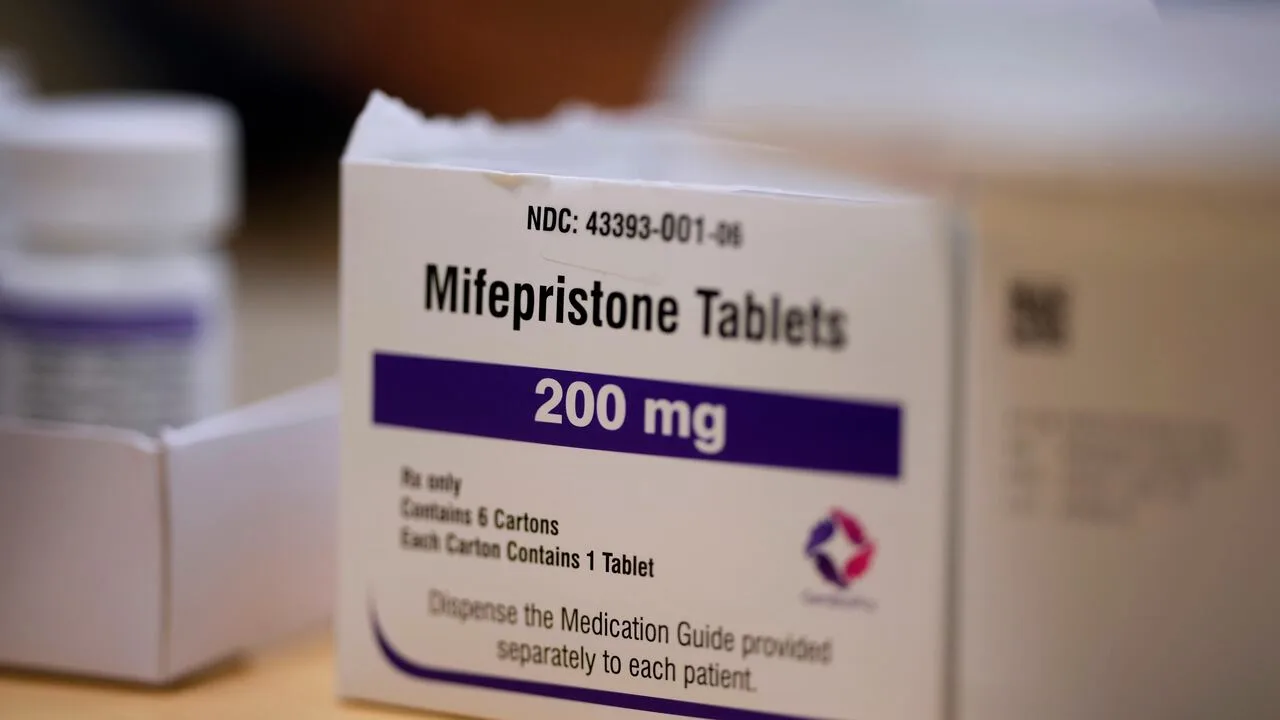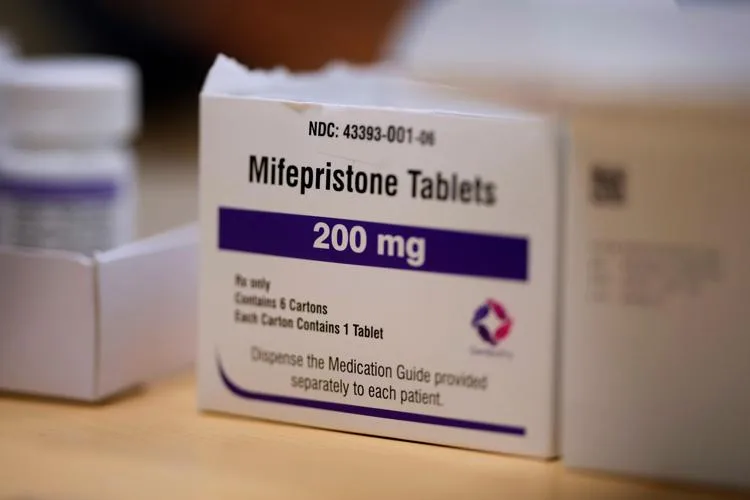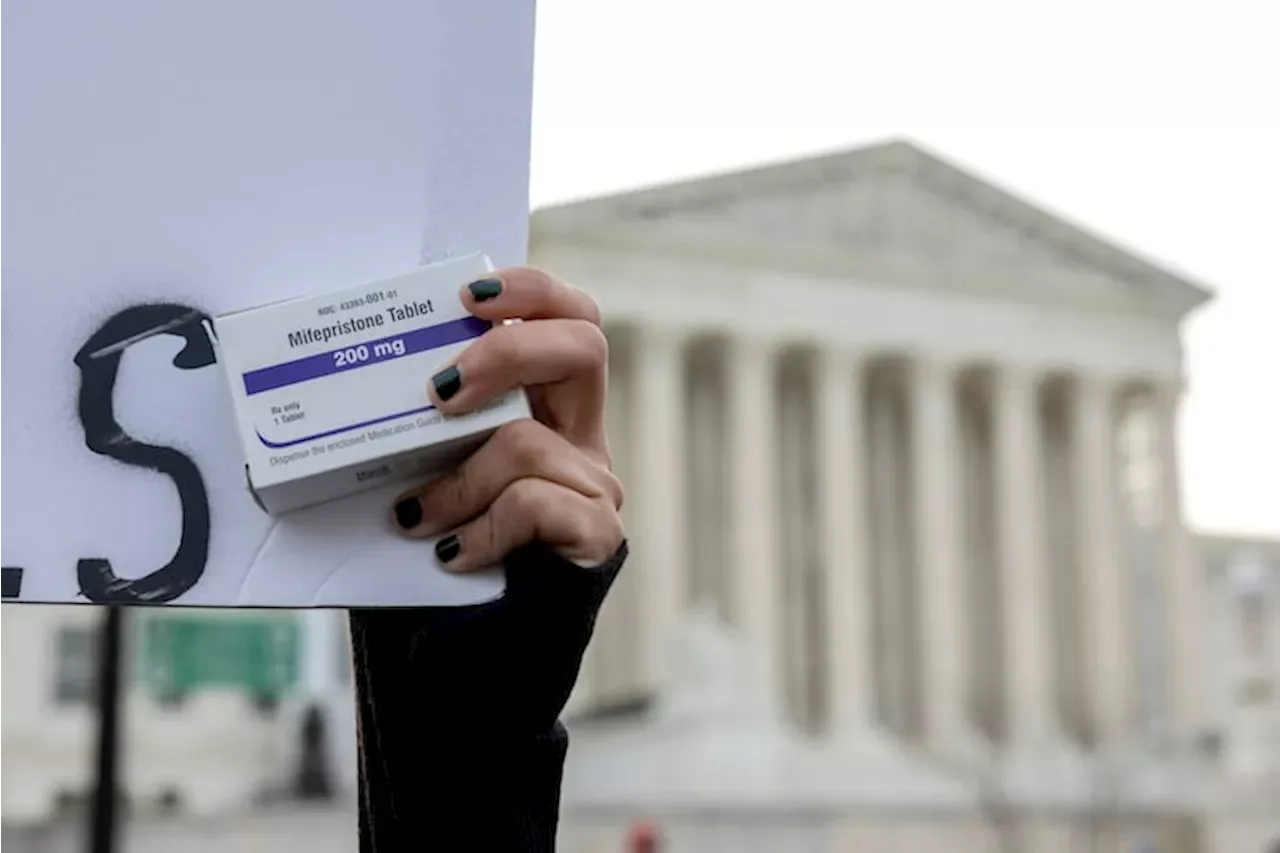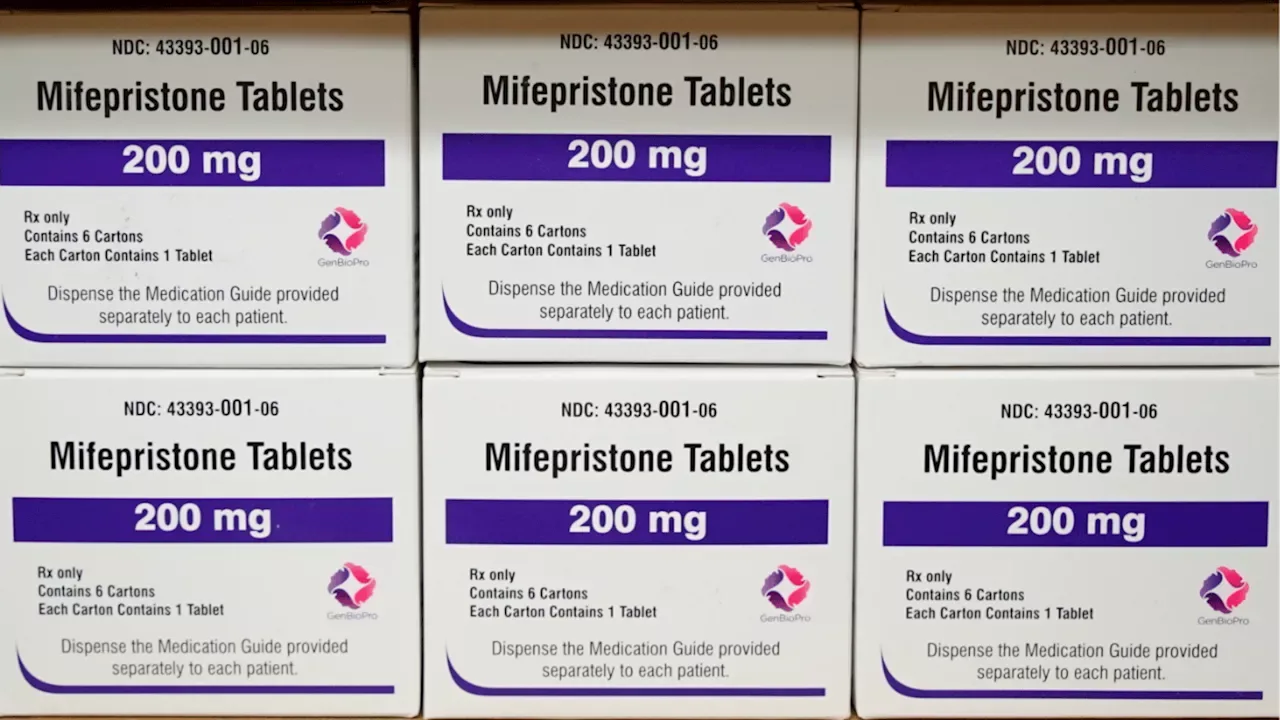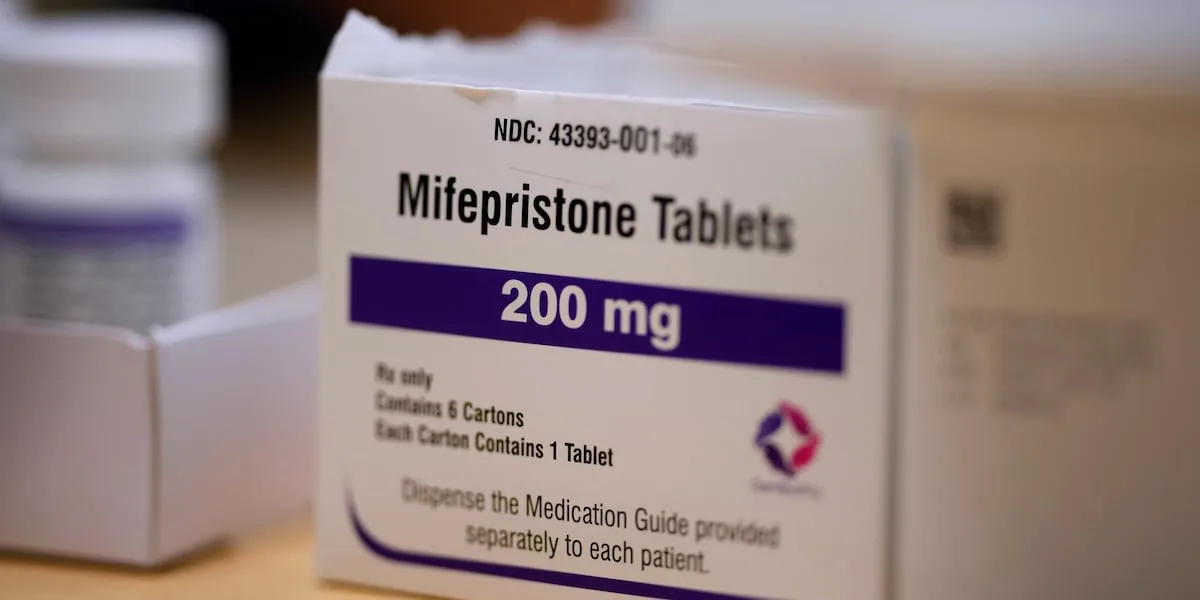
Danco Laboratories and GenBioPro filed emergency petitions with the Supreme Court on Saturday seeking to overturn a decision handed down by the 5th U.S. Circuit Court of Appeals one day earlier. The New Orleans-based court ruled unanimously that mifepristone must be dispensed only through in-person clinic visits, overturning Food and Drug Administration regulations that permitted mail-order distribution. Danco, which manufactures the original formulation, argued the ruling "injects immediate confusion and upheaval into highly time-sensitive medical decisions."
The appellate decision represents a significant development in abortion policy since the Supreme Court's 2022 decision overturning Roe v. Wade. The ruling took effect immediately and applies nationwide, affecting patients in all states regardless of whether they have abortion restrictions in place. The case originated when Louisiana Attorney General Liz Murrill, a Republican, sued the FDA last year, contending that its mail-order rules undermined Louisiana's ban on abortions at all stages of pregnancy.

Mifepristone, approved in 2000, is typically used alongside a second drug, misoprostol. Surveys indicate that the majority of abortions in the United States are administered using pills, with approximately one in four abortions nationally prescribed through telehealth. The availability of pills via telehealth has been cited as a reason abortion numbers in the country have not declined since Roe was overturned.
The ruling creates immediate access challenges. Josh Thorburn, owner of Eddie's Pharmacy in Los Angeles, noted the decision is "a huge access issue for patients that haven't got providers close by, or providers close by who are willing to prescribe." Telehealth providers and abortion-rights advocates expressed concern about the decision's ripple effects. Mini Timmaraju, president and CEO of Reproductive Freedom for All, said the ruling has a "chilling effect on providers across the country" and will complicate patient navigation of varying state laws.
Some Democratic-led states have enacted shield laws designed to protect providers who prescribe via telehealth and mail pills to states with bans. Dr. Angel Foster, a telehealth provider affiliated with The Massachusetts Medication Abortion Project, stated her organization would "do everything in our power to continue providing care to people in all 50 states." Legal experts are assessing how the ruling impacts these protective measures, with civil and criminal cases pending in Louisiana and Texas.
Mary Ziegler, an abortion law expert and professor at University of California at Davis School of Law, described the ruling as "the biggest jolt to abortion policy" since Roe's reversal. She suggested the decision will likely become a central issue in midterm elections. Since Roe was overturned, abortion has appeared directly on ballots in 17 states, with voters supporting abortion rights in 14 of those contests.
Anti-abortion advocates celebrated the ruling as a "victory for life," though some criticized the Trump administration's inaction on the matter. Marjorie Dannenfelser, president of Susan B. Anthony Pro-Life America, called it "shameful that the Trump administration's inaction has forced pro-life states to take their battle to the federal courts." The FDA and Department of Justice did not immediately respond to requests for comment.