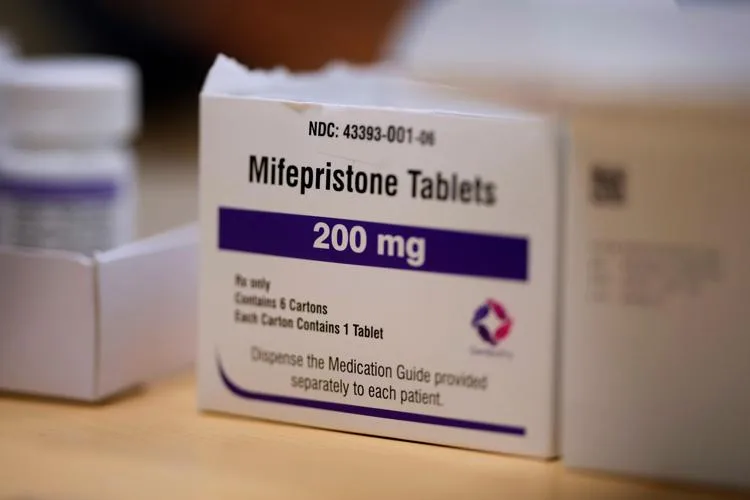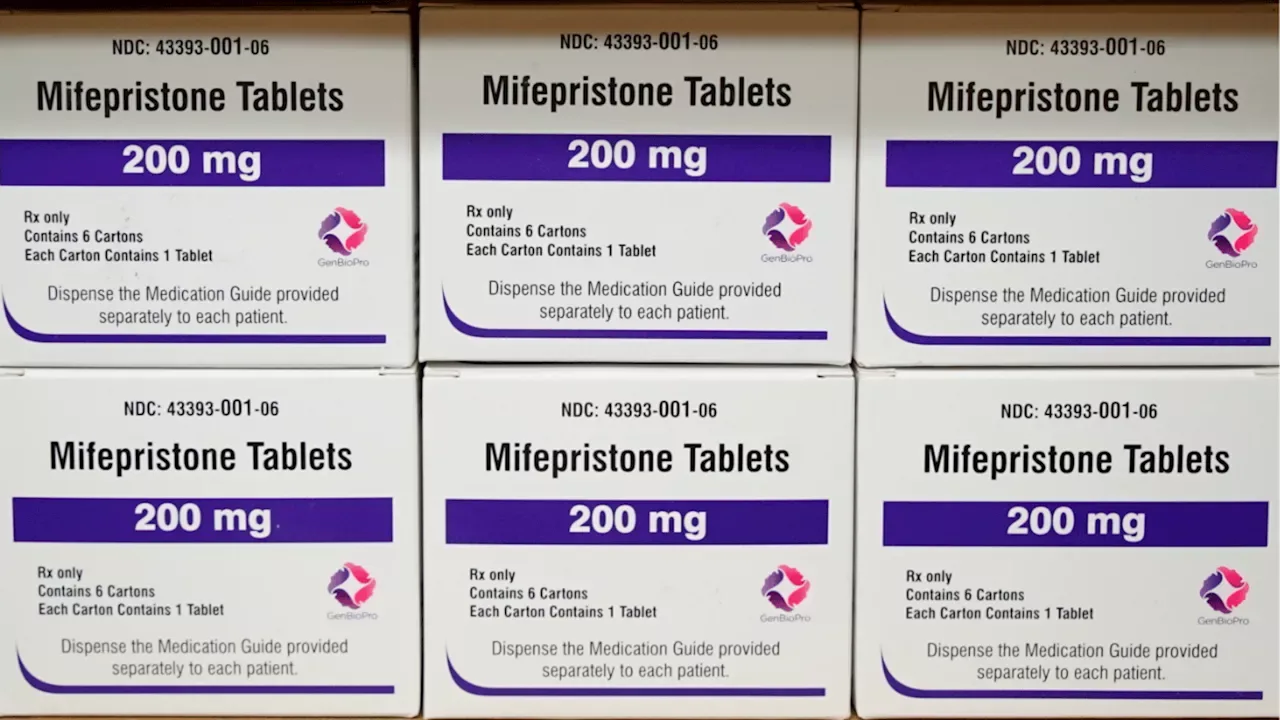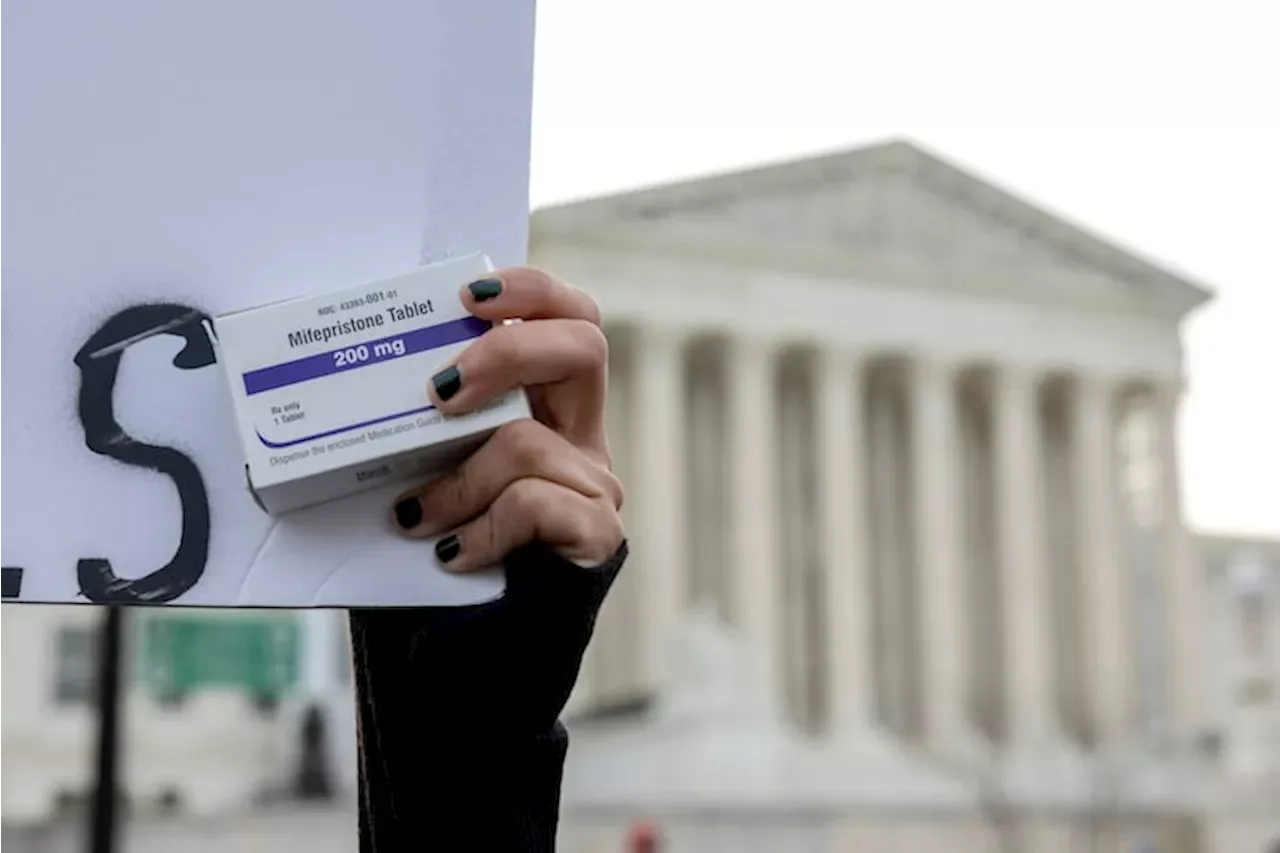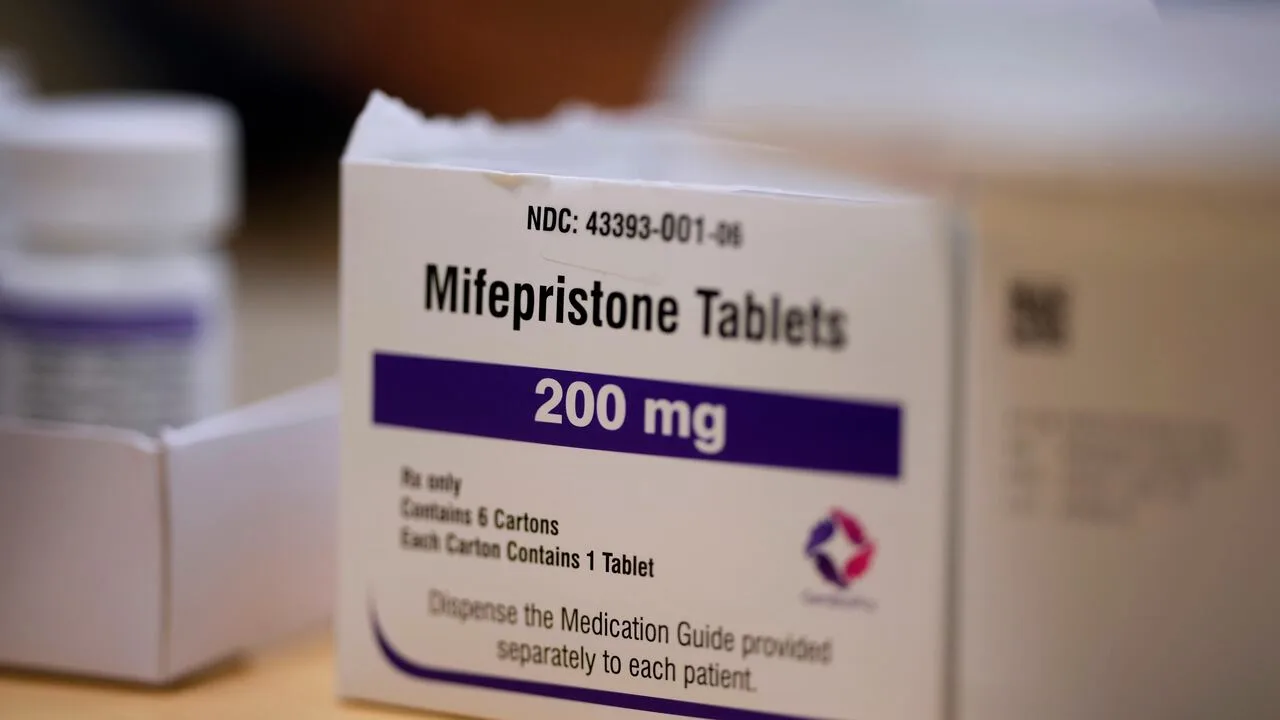
Danco Laboratories and GenBioPro, makers of mifepristone, filed emergency requests with the Supreme Court to pause a ruling from the 5th U.S. Circuit Court of Appeals issued Friday. The New Orleans-based court unanimously decided that mifepristone must be distributed only in person at clinics, reversing Food and Drug Administration regulations that permitted mail delivery of the drug. Danco Laboratories argued the appellate decision "injects immediate confusion and upheaval into highly time-sensitive medical decisions."
The ruling represents the most significant shift in abortion policy since the Supreme Court overturned Roe v. Wade in 2022. It stemmed from a lawsuit filed by Louisiana Attorney General Liz Murrill against the FDA last year, challenging regulations that allowed mifepristone to be dispensed through the mail. The court's decision takes effect immediately while the case continues through the courts and affects patients across all states, including those without abortion restrictions.

Mifepristone, approved in 2000, is typically used alongside misoprostol to end early pregnancies. Surveys indicate that the majority of abortions in the United States now use pills, with roughly one in four prescribed via telehealth. The ruling's impact extends beyond states with abortion bans, creating access challenges for patients without nearby providers willing to prescribe the medication. Josh Thorburn, owner of a pharmacy in Los Angeles, noted the access implications for patients lacking local providers.
Mary Ziegler, an abortion law expert and professor at University of California at Davis School of Law, characterized the decision as potentially reshaping how Americans experience abortion access. "We're now going to see, I think in a way we haven't before, what the nation will look like when abortion bans are actually in effect," she said. The ruling has prompted uncertainty among telehealth providers operating across state lines.
Some Democratic-led states enacted shield laws to protect providers who prescribe abortion pills via telehealth to patients in states with bans. Dr. Angel Foster, associated with The Massachusetts Medication Abortion Project, indicated the organization would work with legal experts to understand the ruling's implications. Mini Timmaraju, president and CEO of Reproductive Freedom for All, warned the decision creates a "chilling effect on providers across the country" and on patients navigating state-by-state legal variations.
The case may emerge as a central issue in midterm elections. Since Roe's reversal, abortion appeared directly on ballots in 17 states, with voters siding with abortion-rights positions in 14 of them. Fatima Goss Graves, president and CEO of the National Women's Law Center, called the ruling "deeply out of step with both the public and fact-based science." Ziegler suggested the case positions the president to engage more directly with abortion policy than previously required.