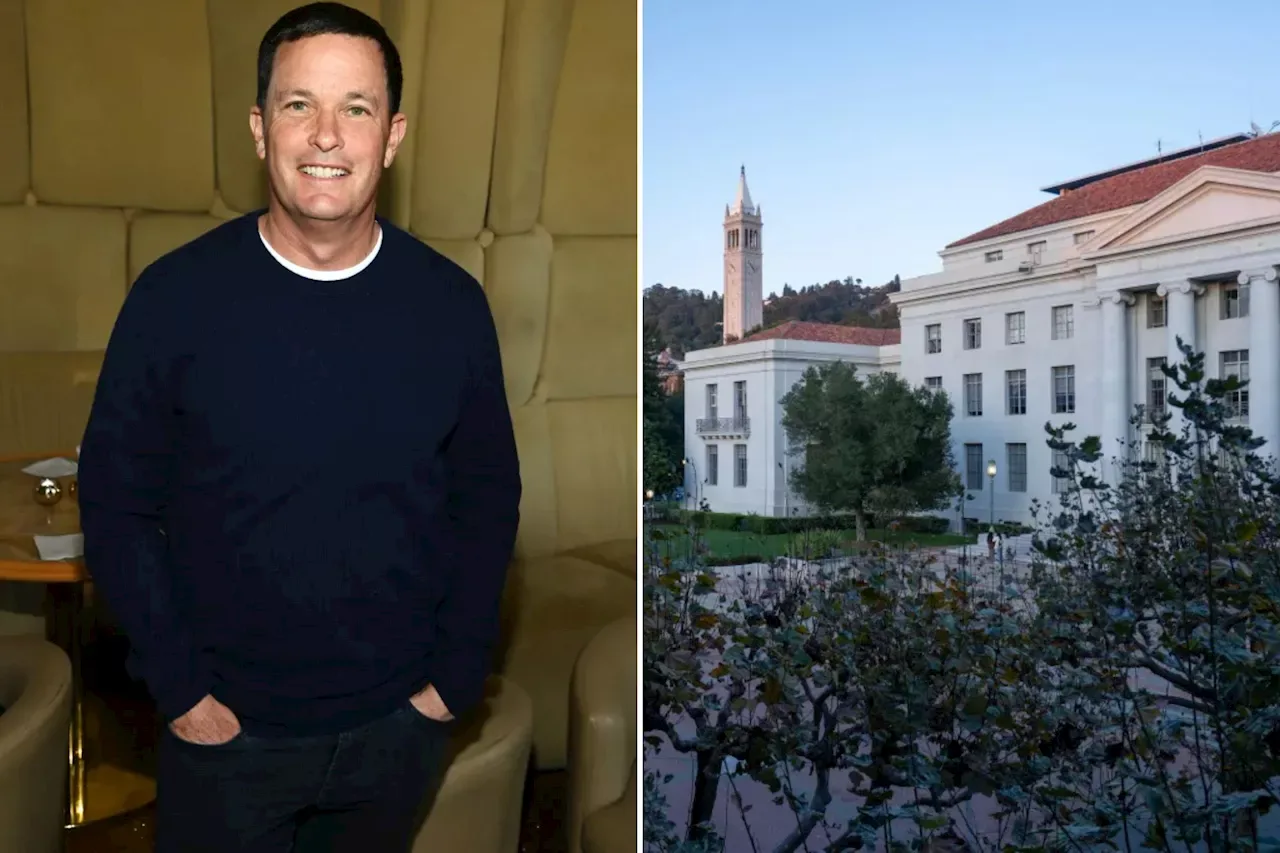
Jay Sures, a University of California regent, this week posed a pointed question about free speech principles on the state's public university campuses: whether constitutional protections apply uniformly to all speakers or selectively to those on the political left. His inquiry centered on the apparent contradiction between student protests against a speech by freed Israeli hostage Omer Shem Tov at UCLA and the earlier platform afforded to Palestinian activist Israa Jaabis at UC Berkeley.
Sures acknowledged that students and faculty retain the right to hear perspectives across the political spectrum, including that of Jaabis. However, he argued that the same principle should extend to Shem Tov, who was held captive for over 500 days and endured conditions that included starvation and torture. UCLA's student government protested Shem Tov's address to Jewish students on campus, according to the account presented.

The regent framed the dispute within a broader critique of higher education in California, suggesting that the state's public university system—historically associated with liberal values—has been overtaken by what he characterized as "woke" ideological capture. He pointed to Berkeley's historical role as the birthplace of the Free Speech Movement in the 1960s, when students fought for the right to campaign for outside political causes, including civil rights and opposition to the Vietnam War.
In recent years, conservative speakers have faced heckling, threats, and obstruction at UC Berkeley, according to the account. A separate incident at UCLA's law school drew particular attention when students disrupted a speech by James Percival, general counsel of the Department of Homeland Security. Rather than engage through questioning or debate, the law students attempted to prevent Percival from speaking altogether.
Sures noted the irony of law students' conduct, given that those who pursue legal careers in California must take an oath pledging to support both the U.S. and state constitutions and to conduct themselves "with dignity, courtesy, and integrity."