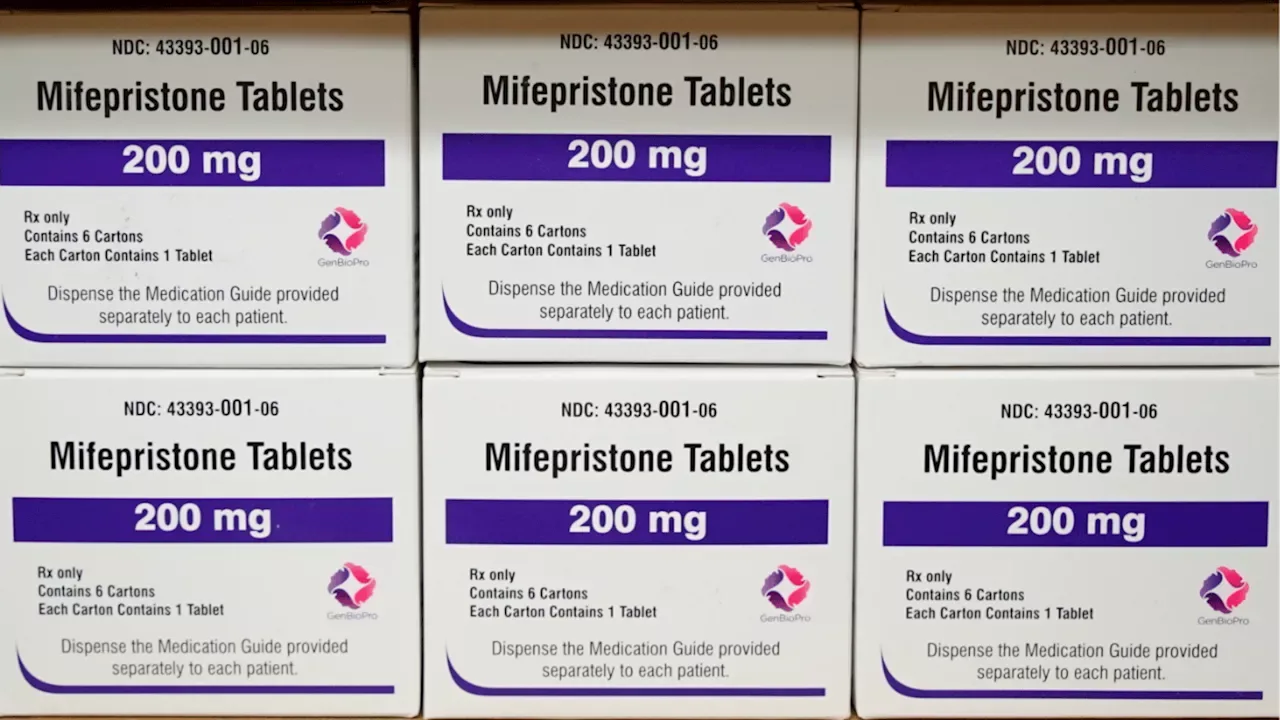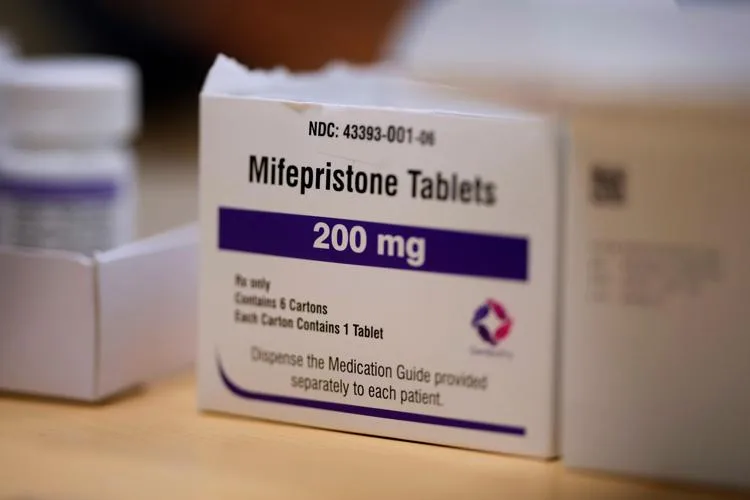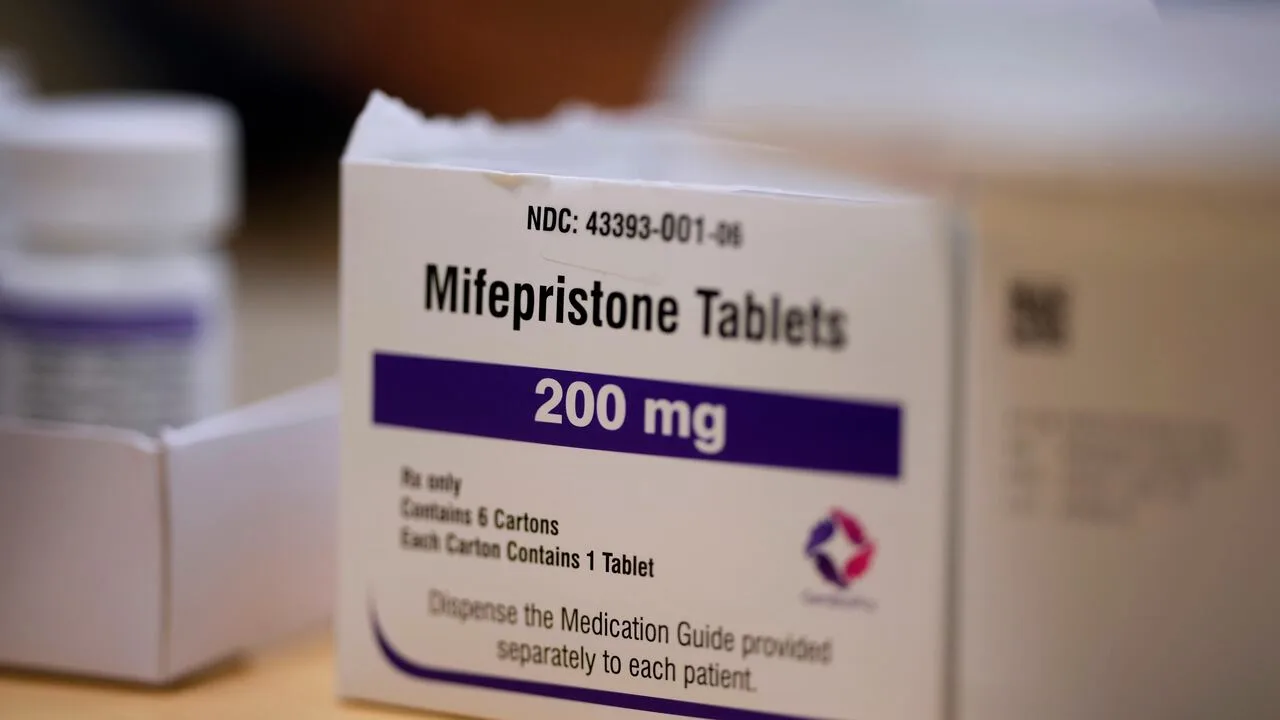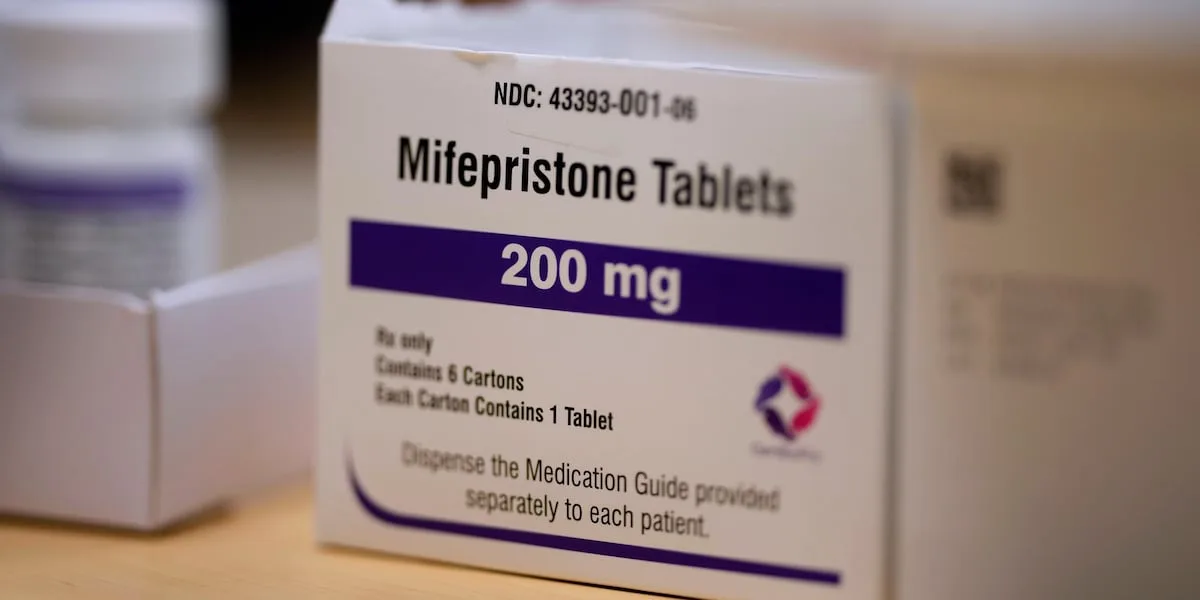
The U.S. Supreme Court moved to temporarily block a Louisiana ruling that would have prevented women from obtaining the abortion pill mifepristone through the mail without an in-person doctor's visit. Justice Samuel Alito issued the order, which will remain in effect until further review by the full court. The decision came after a federal judge ruled in favor of Louisiana last week, and two abortion drug manufacturers filed emergency requests seeking relief from the restrictions.
Louisiana has maintained its own ban on mifepristone but sought to go further by blocking access to the drug mailed from other states. An administration order finalized in 2023 had relaxed requirements for obtaining the pill, eliminating the mandate for an in-person medical visit. The state's legal challenge directly contests this federal policy, setting up a conflict between state and federal authority over abortion medication access.

Drug manufacturers Danco and GenProBio argued that criminalizing the mailing of drugs for lawful medical purposes would contradict established precedent and congressional intent. Danco stated in its filing that such restrictions would "significantly interfere with states' traditional power to enact their own health and welfare laws."
Louisiana Attorney General Liz Murrill contended that removing the in-person doctor requirement creates risks for women. She argued that the absence of direct medical supervision could enable "potential abuse and coercion for women who do not want abortions." Murrill pledged to pursue enforcement against anyone facilitating distribution of the drugs, saying the state would pursue both civil and criminal action.
Louisiana is not alone in challenging the accessibility of mifepristone. Missouri, Idaho, Kansas, Florida, and Texas have also launched legal challenges against either the drug's approval or the eased restrictions on mailing it. The Supreme Court will hold its temporary ban in place through May 11 as justices weigh whether to formally accept the emergency petitions and take up the broader question of federal versus state control over abortion medication.