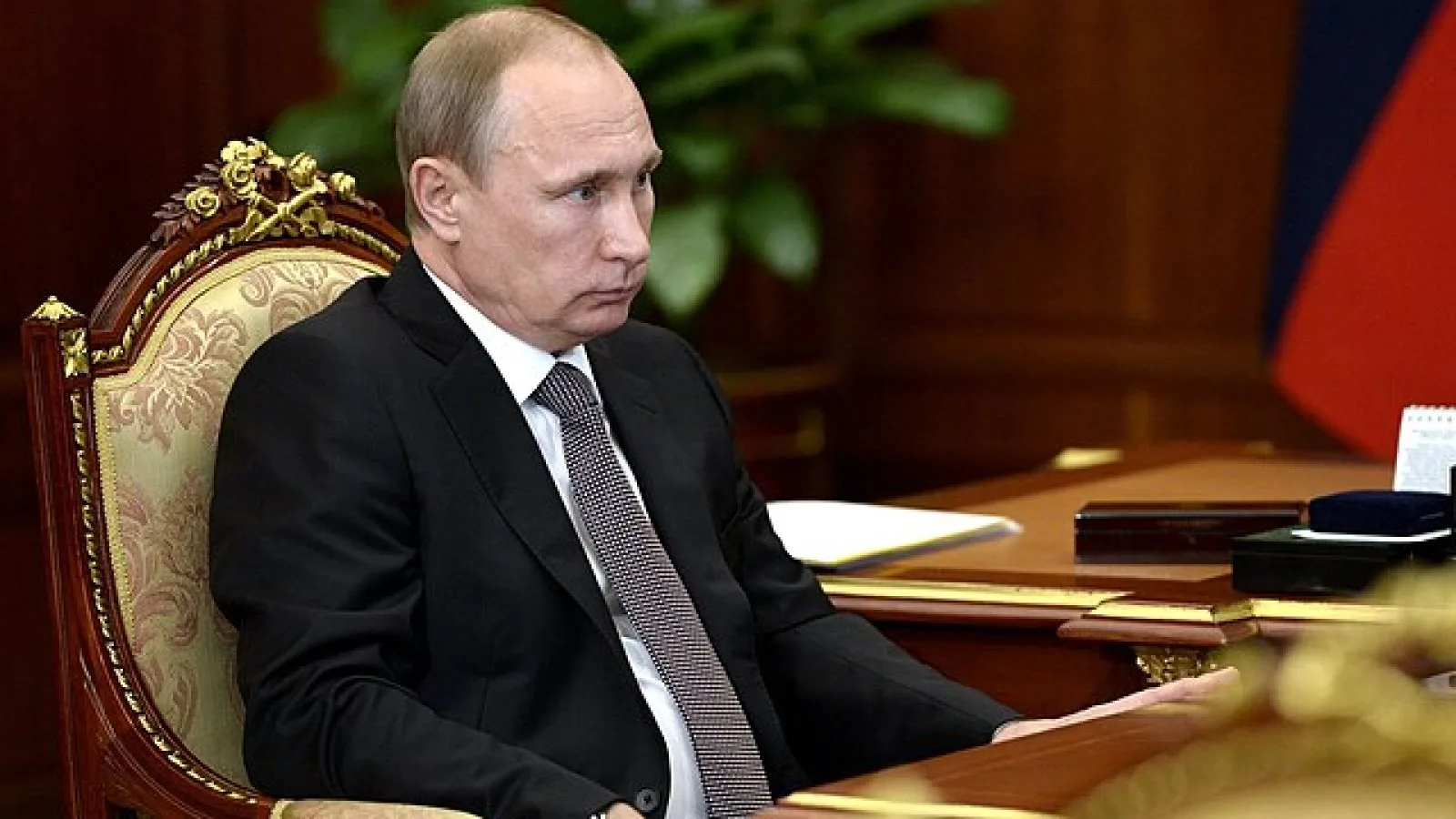
The Kremlin has implemented a series of security enhancements surrounding Russian President Vladimir Putin, citing concerns over potential coup attempts and assassination plots targeting senior military leaders, according to a report from a European intelligence agency reviewed by CNN. The measures include installation of surveillance systems in the residences of presidential staff members and restrictions preventing those working with Putin from using public transportation. Some officials in closer proximity to the president are limited to phones without internet connectivity.
The security tightening followed the killing of a top general in December. Putin has become more guarded in his movements, avoiding certain residences and refraining from visits to military facilities. No such visits have occurred in 2026, a departure from regular attendance in the previous year. The Kremlin has increasingly relied on pre-recorded footage of the president for public distribution.

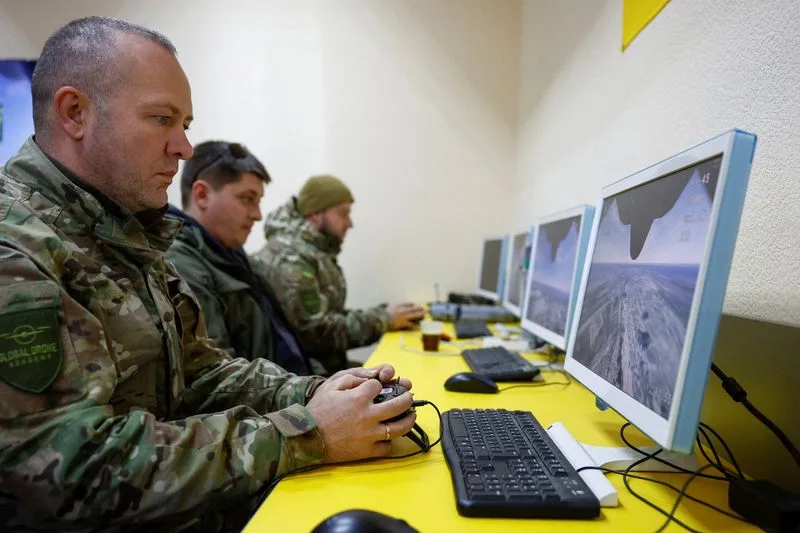
The intelligence assessment emphasizes that both the Kremlin and Putin personally harbor concerns about unauthorized disclosure of classified information and the possibility of conspiracies against him. The report specifically highlights Putin's anxiety regarding drone-based assassination attempts orchestrated by members of the Russian political establishment.
The document singles out Sergei Shoigu, the former defense minister now serving as secretary of the Security Council, as a figure associated with coup risk due to his continued influence within the military hierarchy. The report connects these fears to the arrest in early March of Shoigu's former deputy, Ruslan Tsalikov, who faced accusations of embezzlement, money laundering, and bribery. Intelligence officials characterized the arrest as a violation of informal protection agreements among elites, potentially weakening Shoigu while increasing the possibility he could become subject to judicial proceedings.
The security developments emerge amid mounting pressure from Russia's ongoing military conflict, now exceeding four years in duration. The country sustains approximately 30,000 deaths and injuries monthly without achieving substantial territorial advances. Economic disruptions compound the strain, with cellular outages disrupting major cities. Additionally, affluent urban areas increasingly face Ukrainian military strikes, exposing the country's privileged classes to war's direct consequences after years of relative insulation.