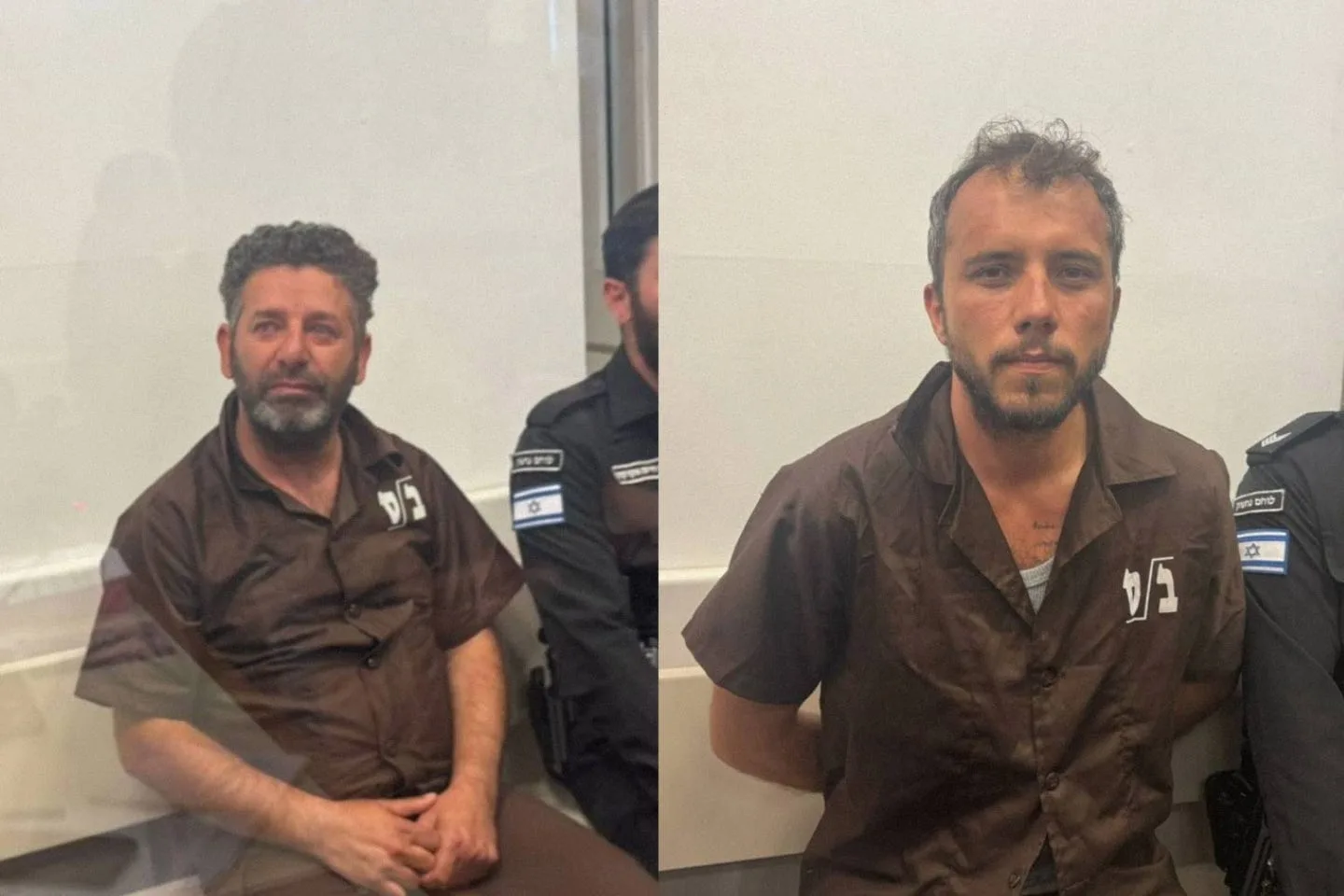
The Israeli navy intercepted 22 boats part of the Global Sumud Flotilla on Thursday as they sailed toward Gaza. After detaining more than 170 flotilla members for 24 hours, Israeli authorities allowed them to disembark on the Greek island of Crete. Two activists—Thiago Ávila, a Brazilian national, and Saif Abu Keshek, who holds Spanish and Swedish citizenship—remained in custody and were transferred to a court in Ashkelon, south of Tel Aviv.
According to reports, Ávila and Abu Keshek have been held in solitary confinement and sustained injuries from beatings, according to the Adalah Legal Center for Arab Minority Rights in Israel, which sent lawyers to meet with them. Israeli authorities charged both men with aiding the enemy during wartime, contact with a foreign agent, membership in a terrorist organization, and provision of services to it. The charges also include transfer of property to a terrorist organization. Specifically, prosecutors alleged the activists worked with the Popular Conference for Palestinians Abroad, an organization sanctioned by the United States and designated as a "front for Hamas" by the Office of Foreign Assets Control of the U.S. Department of the Treasury.

Both activists have established international records as Palestinian rights defenders and served as coordinators of the flotilla. They were intercepted while sailing in international waters near Greece alongside hundreds of other participants. The governments of Spain and Brazil issued a joint statement condemning the detention, though Spain's foreign minister indicated the matter would not be addressed in parliament until the following Thursday. Greece and the European Union did not intervene in the detention, despite the incident occurring in waters under their jurisdiction.
The interception and detention of the two activists underscores escalating tensions involving Israel's military operations. The incident comes amid broader geopolitical pressures, including regional conflicts and international relations involving major powers. The cases of Ávila and Abu Keshek have drawn calls for their immediate release from international observers and advocacy organizations.