

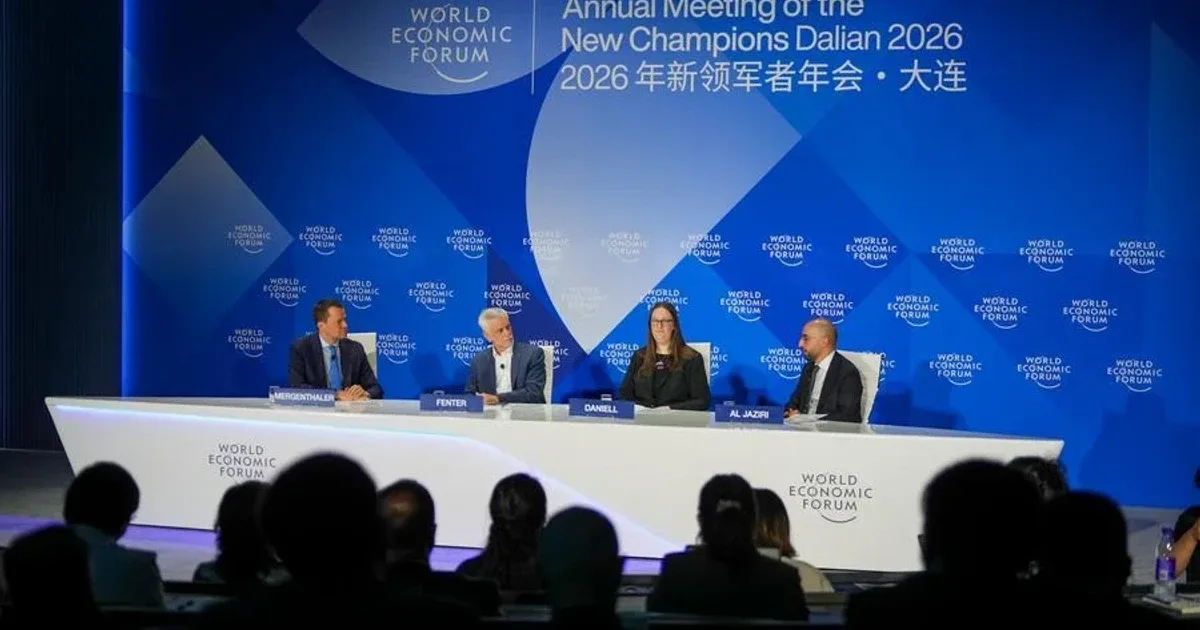
Artificial intelligence and escalating geopolitical risks were the focal points at the 17th Annual Meeting of the New Champions in Dalian, known as China’s Summer Davos, amid growing concerns over a slowing global economy. The World Bank’s cut to its 2026 growth forecast to its lowest level since the pandemic intensified anxieties shared by government and business leaders gathered to discuss innovation and international cooperation.
The event brought together more than 1,500 leaders from over 90 countries, emphasizing Asia’s rising influence and the challenge of scaling technological advances into sustainable economic growth. Despite AI being promoted as a driver of future prosperity, participants warned it could exacerbate job displacement, increase cyber threats, and deepen international divisions if governance frameworks fall behind technological progress.

World Economic Forum managing director Mirek Dusek highlighted the transformative potential of AI across industries such as education and health care, but underscored concerns about labor market disruptions and cybersecurity vulnerabilities. The forum’s Global Cybersecurity Outlook 2026 report pointed to accelerated cyber risks fueled by AI developments, geopolitical fragmentation, complex supply chains, and uneven access to digital defenses.
The broader economic environment added to the uncertainty, with the World Bank attributing weaker growth projections to ongoing Middle East conflicts, soaring energy prices, high inflation, and restrictive borrowing conditions. Experts at the event warned that increasing fragmentation among nations threatens to undermine global recovery efforts, emphasizing the need for enhanced international collaboration on trade, technology, and investment.
Chinese Premier Li Qiang’s address was a pivotal moment, allowing Beijing to reassure investors about its economic prospects despite challenges such as sluggish consumer demand and heavy debt in the property sector. His remarks also signaled China’s commitment to engaging in global governance over emerging technologies like artificial intelligence, aiming to position the country as both an innovator and a rule-maker in the digital era.