

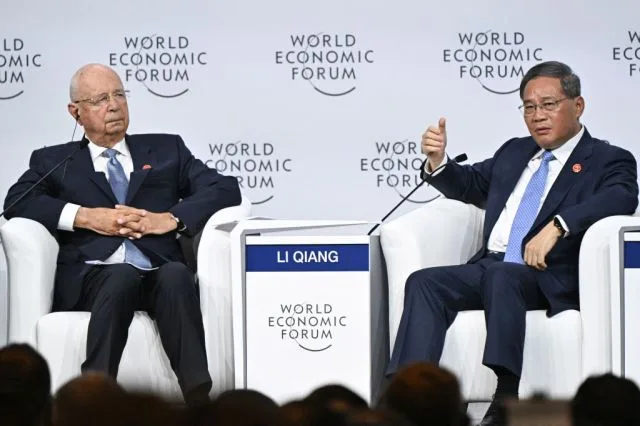
As global leaders convene in Dalian for Summer Davos, discussions naturally center on China’s economic trajectory, AI innovation, and energy transitions. While these topics address pressing challenges, a subtler issue persists: Western companies and investors continue to misread China not for lack of data, but due to a poor understanding of its cultural and social fabric that governs business.
Western boardrooms are flooded with market analyses, risk assessments, and regulatory updates, yet many still approach China as a single monolithic market defined by opportunity or risk. This binary perspective obscures the reality that China operates as a complex environment where language, social hierarchy, trust, timing, and the concept of face directly influence outcomes. Intercultural communication experts emphasize that successful engagement goes beyond literal language—politeness and indirectness function as mechanisms for managing respect and relationships.

Three critical areas reveal this cultural gap: branding, negotiation, and leadership. In branding, Western companies have long relied on the allure of foreign prestige, especially in luxury goods, education, and automobiles. However, this edge is eroding as Chinese consumers become more digitally savvy, value-oriented, and culturally self-assured. The rise of domestic brands often attributed solely to nationalism overlooks deeper shifts where consumers seek brands that resonate with their everyday life, humor, rituals, and expectations.
Starbucks exemplifies this challenge. Once a pioneer in introducing coffee culture, it now faces competition from local brands like Luckin and Cotti that capitalize on convenience, delivery, digital promotions, and affordability. Starbucks’ partnership with Boyu Capital reflects not a withdrawal but a strategic move toward “hyper-localization,” acknowledging that brand relevance in China requires continuous adaptation to evolving local preferences.