

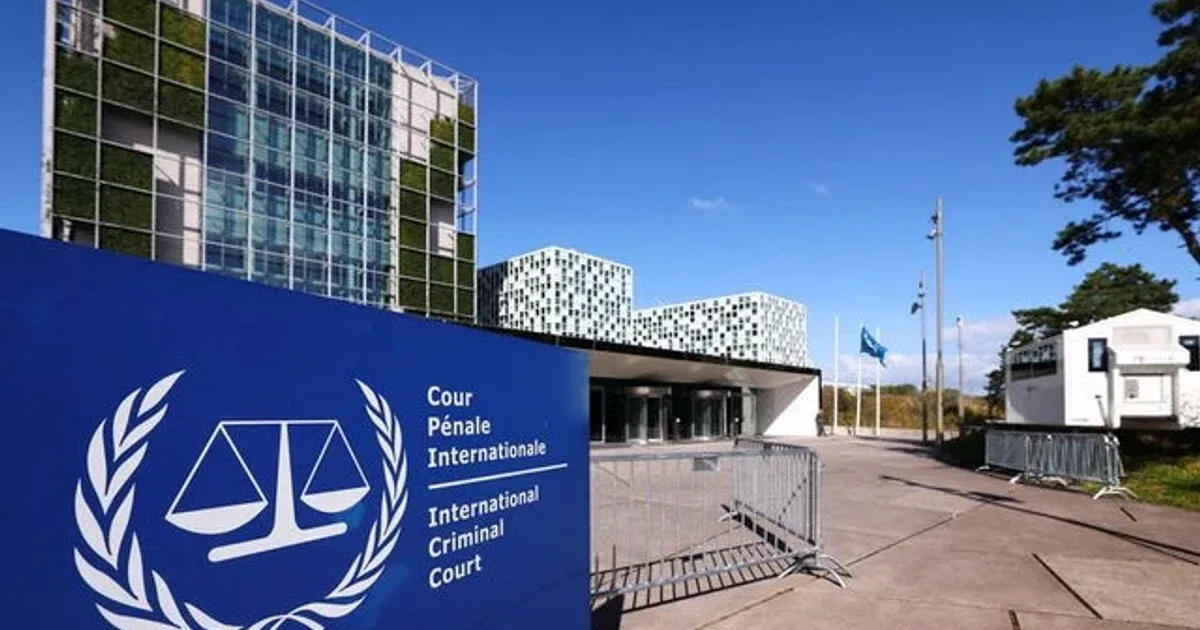
Three judges from the International Criminal Court (ICC) have initiated legal action in a Manhattan federal court against former President Donald Trump and senior U.S. officials. They demand the removal of sanctions that they claim unlawfully restrict their personal and professional lives, including frozen bank accounts, canceled credit cards, and travel bans.
The lawsuit, filed in the Southern District of New York, names Canadian judge Kimberly Prost, Ugandan judge Solomy Balungi Bossa, and Beninese judge Reine Adelaide Sophie Alapini-Gansou as plaintiffs. They argue that the U.S. imposed these punitive measures in an extrajudicial attempt to pressure the ICC, which the United States has long refused to recognize.

This action follows a series of U.S. sanctions announced by Secretary of State Marco Rubio earlier in the year under Executive Order 14203. The executive order targeted ICC officials accused of investigating alleged war crimes involving U.S. military personnel in Afghanistan and Israeli authorities over conflicts in Gaza. The U.S. policy has expanded to include sanctions against at least eleven ICC officials, including judges and prosecutors, as well as a U.N. special rapporteur and Palestinian civil society organizations.
The ICC, based in The Hague, condemned the sanctions as an attempt to intimidate the court and undermine its judicial independence. The plaintiffs emphasize that these measures represent an unprecedented effort by a national government to influence international justice without due process.
The case sets up a pivotal test for the U.S. judiciary regarding the limits of American sanctions law, especially when it intersects with foreign judicial bodies. It raises fundamental questions about the reach of U.S. executive power over international officials and whether domestic courts will uphold or challenge such measures against foreign judges actively engaged in sensitive investigations.