

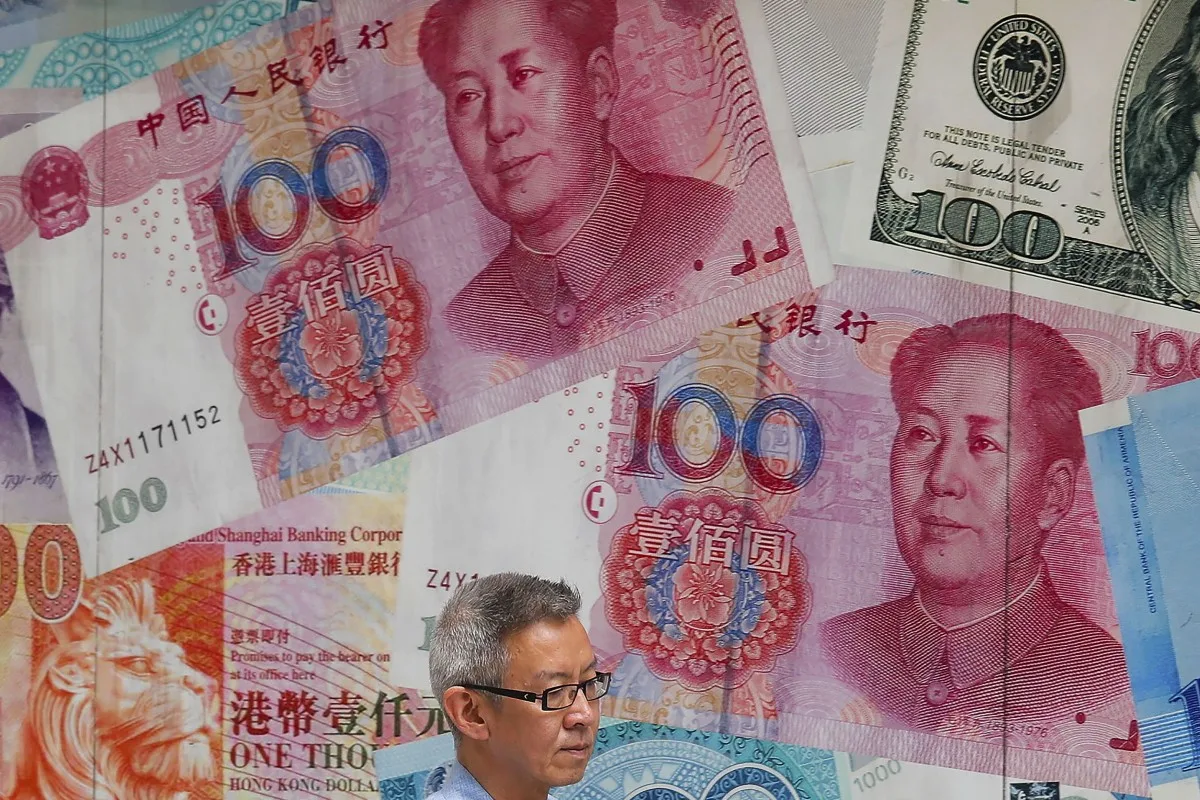
Iran has shifted much of its sanctioned oil exports to Chinese buyers with payments made primarily in China's yuan, a tactic that circumvents the US dollar system and limits Washington's ability to enforce sanctions. These yuan-based transactions do not pass through American financial institutions, making them harder to monitor or block.
Chinese refiners involved in Iranian oil trade, including Hengli Petrochemical, have announced plans to settle purchases in yuan instead of dollars. This move aligns with a broader Chinese strategy to establish alternative financial infrastructures that bypass the dominance of the US dollar.

China’s development of payment systems such as the Cross-Border Interbank Payment System (CIPS) and the digital currency platform mBridge exemplify efforts to create secure channels for international transactions that are less vulnerable to US intervention. Over the past five years, the yuan’s share in global trade finance has tripled, positioning it as the world’s second most used currency in trade after the dollar.
Analysts note that while China does not currently seek to replace the dollar entirely, its goal is to safeguard financial operations for itself and allies like Iran and Russia. This setup helps blunt the impact of US sanctions now and may serve as a buffer in potential future geopolitical conflicts, such as tensions over Taiwan.
Despite these advances, the expansion of yuan use faces limitations tied to global demand, which remains insufficient to fully dethrone the dollar’s dominance. Still, China’s push for diversified payment mechanisms represents a significant shift in the dynamics of global trade finance and sanctions enforcement.