

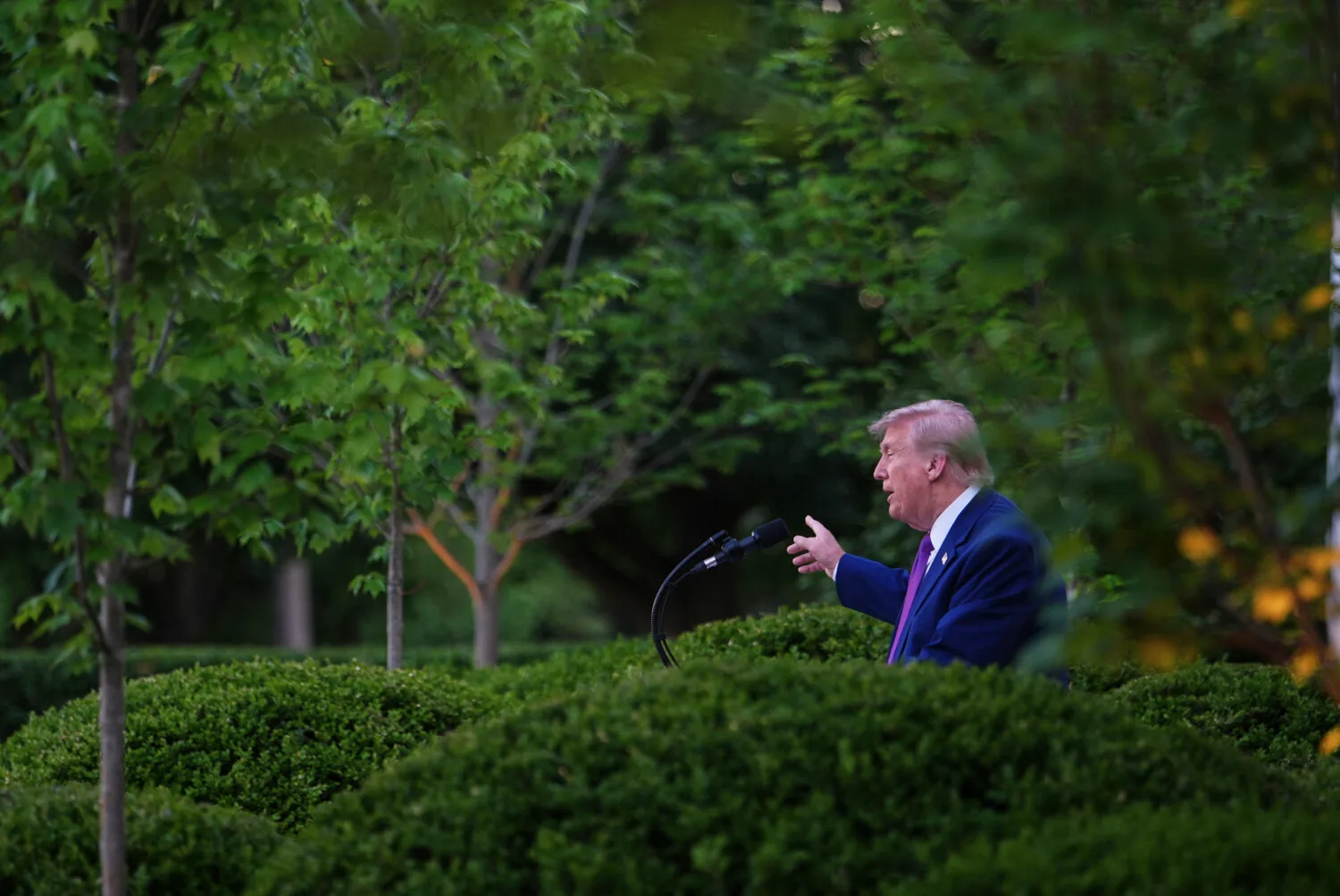
President Donald Trump traveled to Beijing with the goal of meeting President Xi Jinping despite unresolved tensions over the ongoing conflict in Iran. While the U.S. has pushed China to leverage its ties with Iran to end hostilities or at least reopen the strategic Strait of Hormuz, these efforts have met limited success. The White House lowered expectations that the summit would produce a breakthrough on the Iran issue, choosing instead to focus on broader cooperation between the two powers.
China, the largest buyer of Iranian oil, has maintained a cautious stance on the conflict, prioritizing risk aversion and avoiding direct involvement. While Beijing has expressed a desire to see the war end and has quietly supported peace efforts through allies like Pakistan, it remains wary of taking actions that might entangle it further. Chinese officials also sent measured signals of disapproval both to Iran for blocking the strait and to the U.S. for its naval blockade against Iranian shipping.

Recent U.S. measures have intensified pressure on Chinese entities involved with Iranian oil, including sanctions on several China-based firms and shipping companies linked to oil trade with Tehran. These sanctions bar affected firms from accessing the U.S. financial system and prohibit business transactions involving them. In response, China condemned these unilateral penalties as illegal and invoked a blocking statute to prevent its businesses from complying.
Diplomatic engagements continued despite tensions. Last week, Chinese Foreign Minister Wang Yi met with his Iranian counterpart in Beijing, publicly defending Iran’s right to develop civilian nuclear energy—an issue of international concern. Meanwhile, U.S. officials including Secretary of State Marco Rubio and Treasury Secretary Scott Bessent have urged China to use its influence to reopen the Strait of Hormuz, through which a significant portion of the world’s oil supply passes.
The summit aims to compartmentalize these contentious issues, with the U.S. seeking progress on trade disputes and cooperation to curb fentanyl precursor exports, areas where some agreement may be attainable despite deep disagreements over Iran. The White House is determined that differences over the conflict should not derail broader efforts to stabilize what remains a complex and multifaceted bilateral relationship.