

A recent investigation revealed that Hong Kong is a central hub for Iran’s illicit financial activities, channeling billions in oil revenues and sensitive technology to the Islamic Revolutionary Guard Corps (IRGC). Despite President Trump’s maximum pressure campaign aimed at isolating Tehran, key Chinese financial enablers remain operational, undermining US efforts to strangle Iran’s terror network.
China’s dual stance complicates the situation. While Beijing publicly defies US sanctions by invoking its Anti-Foreign Sanctions Law, it simultaneously instructs major Chinese banks to avoid financing sanctioned Iranian refineries. This contradictory approach signals China’s vulnerability to US financial pressure even as it seeks to maintain strategic ties with Iran.

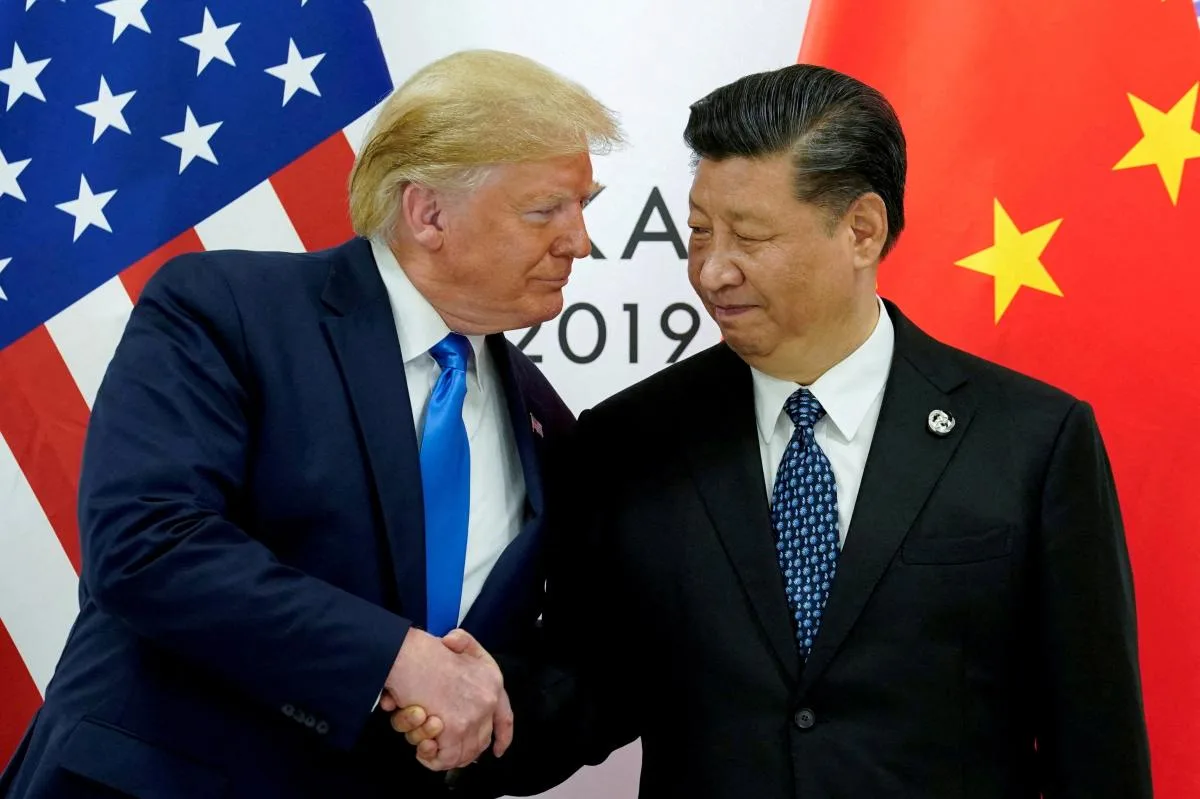
In the lead-up to his summit with President Xi Jinping, Trump faces mounting calls to escalate economic actions. Analysts recommend leveraging Section 311 of the USA PATRIOT Act, which would label certain Chinese banks or jurisdictions as primary money-laundering threats. Such a designation would compel US banks to sever correspondent relationships, effectively cutting off these entities from the US dollar system and intensifying economic isolation.
This step would place Beijing at a crossroads: either cease financing Iran’s military operations or incur substantial repercussions within the global financial system. Treasury Secretary Scott Bessent recently condemned China’s purchase of the majority of Iran’s oil exports as direct support for the IRGC and Tehran’s expansive proxy network across the Middle East.
Despite the strategic importance of China’s trade with Iran, no significant financial pathways have been shut down two months into the ongoing conflict. This inaction draws criticism that the current US approach lacks sufficient enforcement to dismantle the mechanisms enabling Iranian state-sponsored terrorism.
To strengthen its sanctions regime, the United States could target:
- Hong Kong’s use as a sanctions-evasion platform through shell companies.
- Chinese banks involved in processing payments for Iranian crude oil.
- Financial entities connected to the transfer of weapons technology and surveillance equipment to the IRGC.
With the summit offering a key diplomatic opportunity, President Trump’s willingness to deploy these tough financial measures will test China’s readiness to curtail its support for Tehran’s military ambitions.