

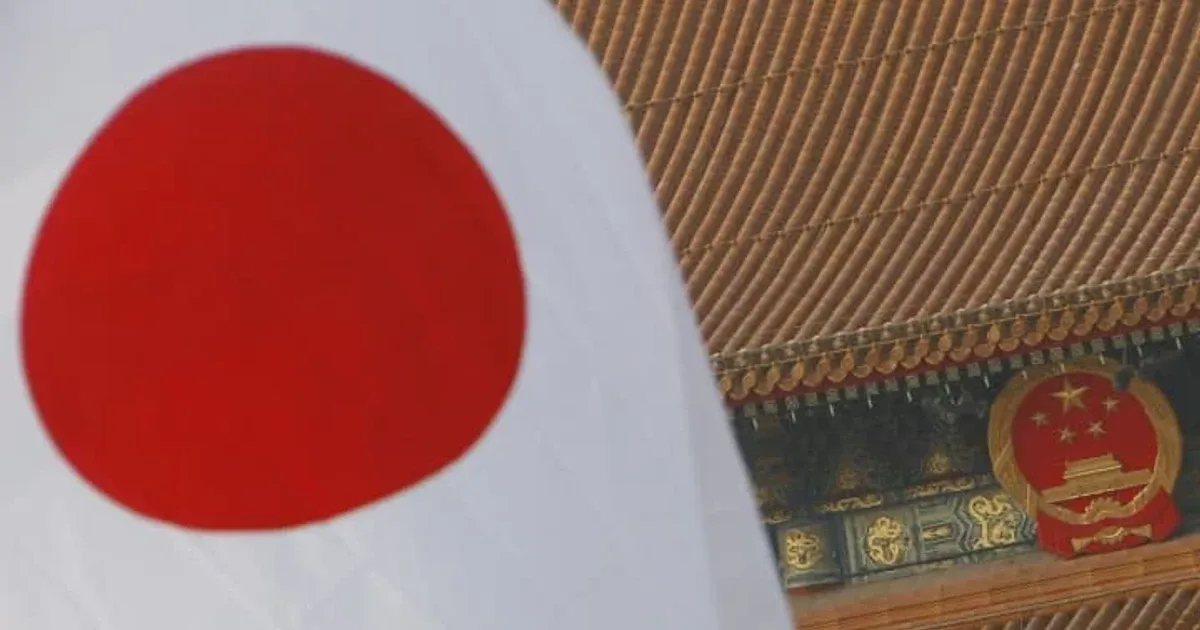
Chinese authorities held two Japanese nationals in the northeastern port city of Dalian on suspicion of smuggling prohibited goods. The arrests, occurring on separate dates in May, have elevated tensions between Tokyo and Beijing amid stricter Chinese controls on rare earth exports.
Japanese officials confirmed they were informed of the detentions on May 18 and May 25, respectively. Consulates in Shenyang and Dalian are providing assistance to the detainees, who are reportedly in stable condition. The case has drawn heightened attention as it may involve processed rare earth materials—a sector critical to Japan’s manufacturing and technology industries.

Dalian is a strategic hub for customs enforcement and cross-border commerce, making it a focal point for incidents that combine trade regulations with political complexity. China’s recent clampdown on rare earth exports, essential for electronic components and advanced manufacturing, has intensified concerns over supply chain security for Japanese companies.
This smuggling suspicion comes at a delicate time when diplomatic and economic relations between Japan and China face strain from disputes over security and trade policies. Legal enforcement actions regarding sensitive materials now risk spilling over into broader diplomatic challenges. Japanese business operators and travelers in China confront a demanding environment where customs enforcement intersects with tightened export rules on strategic resources.
The incident underscores the fragile balance between maintaining commercial ties and addressing security concerns. It adds pressure on both governments to carefully manage consular access and legal processes, while also safeguarding vital trade channels. These developments reflect the wider geopolitical landscape in East Asia, where even isolated enforcement cases can strain bilateral relations.