

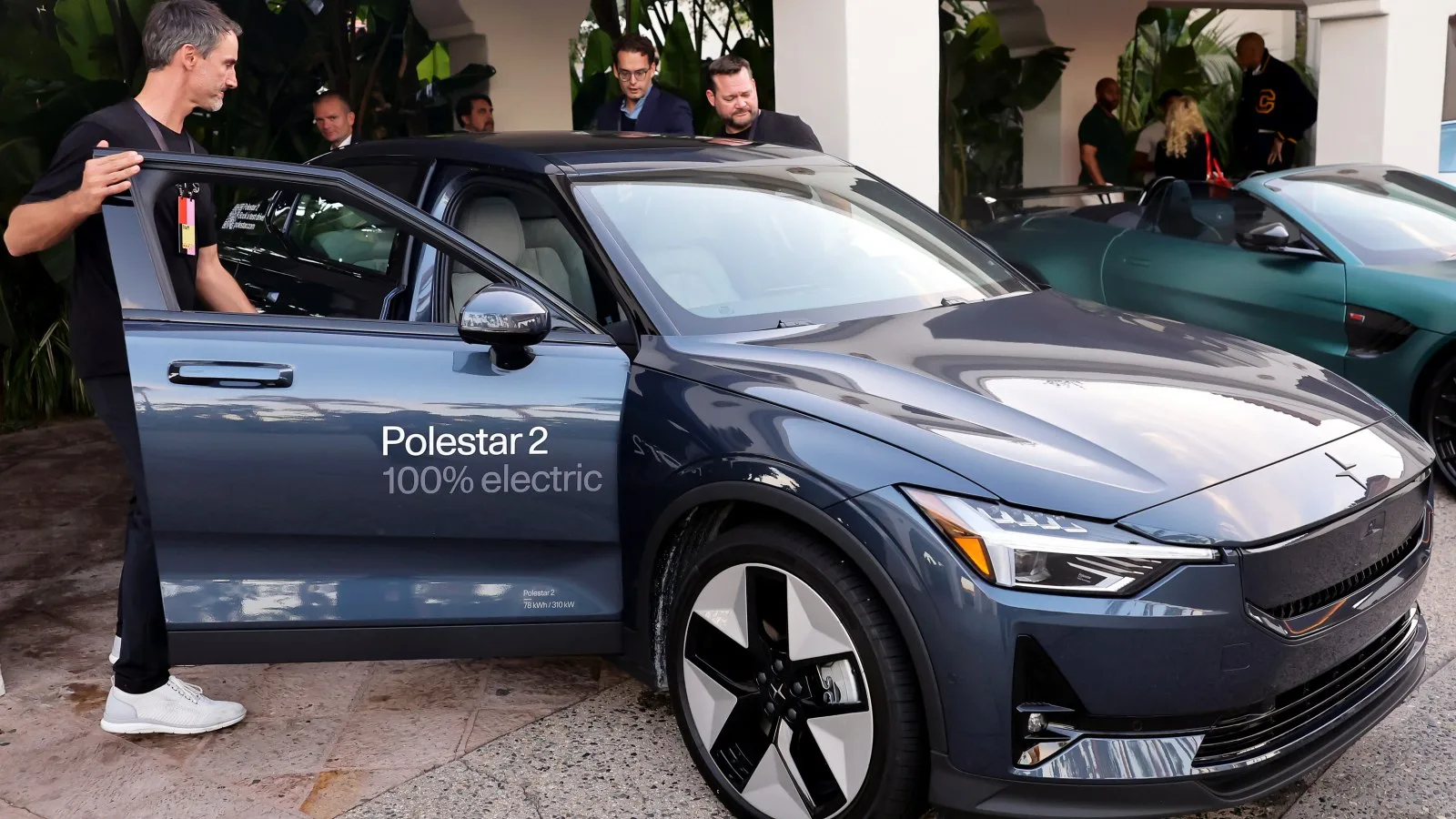
The United States has barred Polestar from certifying and marketing any new electric vehicle models from 2027 onward, curbing the Swedish automaker’s ability to introduce updated or next-generation cars in the crucial US market. This move follows tightened federal regulations aimed at connected-vehicle systems linked to Chinese-associated companies.
Polestar, which is majority-owned by China’s Zhejiang Geely Holding Group, indicated it will continue selling its current Polestar 3 and Polestar 4 models already approved for the market, while maintaining service and support for existing customers. However, the decision prevents the company from obtaining certification for future model years, effectively freezing its lineup in the US from that point forward.

The restriction is part of new government rules that require advanced compliance for connected automotive technologies, reflecting growing concerns over cybersecurity risks tied to companies with Chinese affiliations. Industry analysts note that these regulations are forcing automakers globally to adjust compliance strategies and supply chains to satisfy federal standards for model-year approvals starting in 2027.
Prior to the announcement, Polestar had shifted strategic emphasis toward Europe and other international markets where it derives most of its revenue. The company’s CEO emphasized a regional approach, with Europe as the primary growth region and future production increasingly concentrated there. Although Polestar manufactures the Polestar 3 in South Carolina, the newly imposed limitation specifically targets certification for new models post-2027, not current sales or US-made vehicles.
Following the announcement, Polestar shares fell sharply, as investors reacted to the restricted access to one of the largest global automotive markets. This development signals escalating regulatory pressure on electric vehicle makers with ties to China, as the US government intensifies scrutiny over foreign-linked technology in critical industries.