

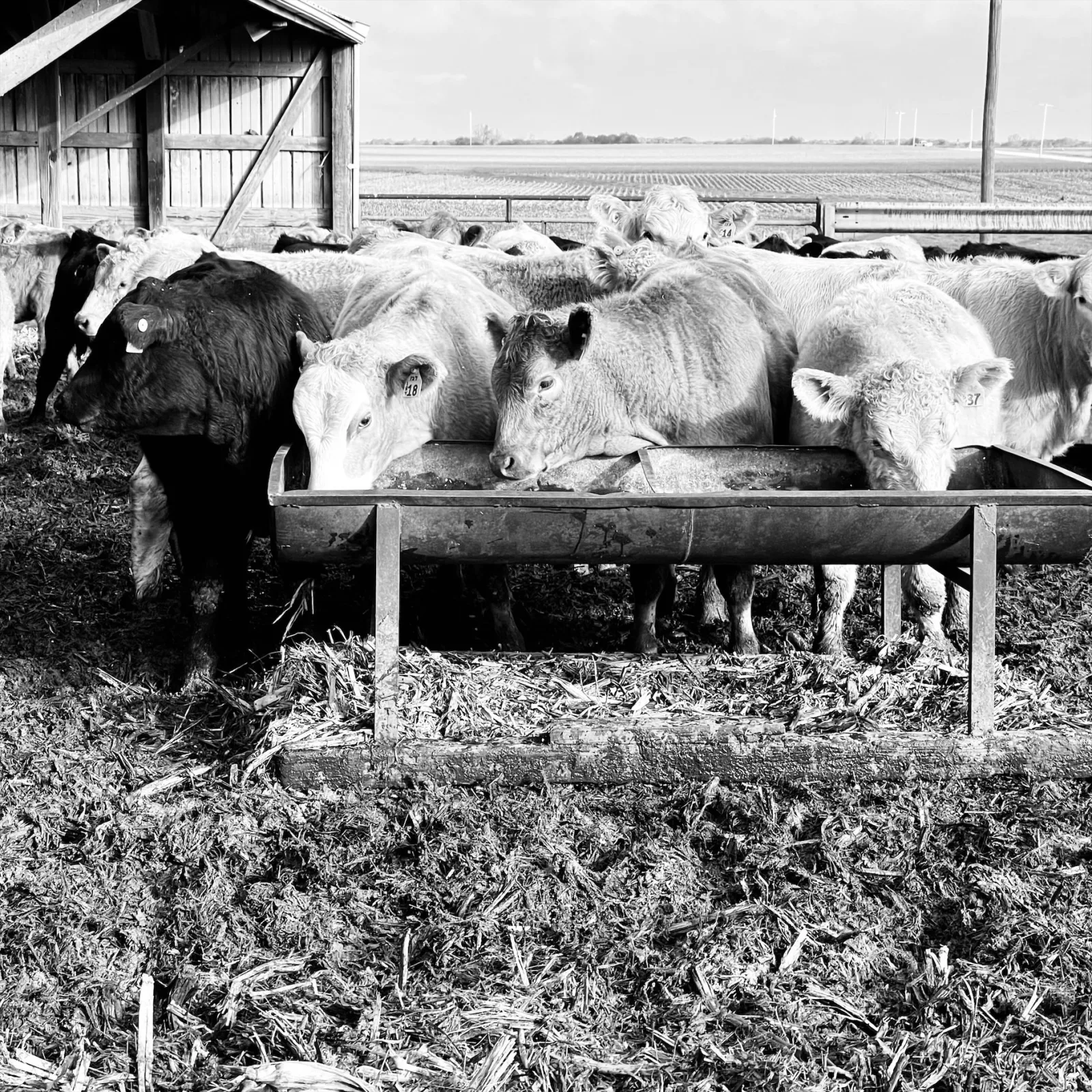
The nation’s largest producer-only cattle trade group has voiced support for a possible U.S. exit from the United States-Mexico-Canada Agreement (USMCA), highlighting concerns that expanded imports under the deal undercut domestic beef producers. The group argues that increased access to cheaper foreign beef depresses prices in the U.S. market, disadvantaging local ranchers.
Bill Bullard, CEO of R-CALF USA, explained that while there is still room to support USMCA, significant changes must be implemented to safeguard American producers. Central to these demands is mandatory country of origin labeling, which would allow consumers to identify and choose beef products based on their source country.

In addition to labeling, R-CALF USA calls for tariff rate quotas to regulate the volume of beef imports coming from Canada and Mexico. They also seek meaningful tariffs that address competitive imbalances arising from lower production costs, currency differences, and regulatory divergences in veterinary practices between the U.S. and its trading partners.
Since USMCA replaced NAFTA, agricultural exports to Canada and Mexico have grown significantly, with those countries remaining top markets for U.S. farm goods. Earlier this year, a broad coalition of 156 agricultural groups publicly urged the Biden administration to renew the trade agreement, emphasizing its importance to the sector.
The National Association of State Departments of Agriculture has also expressed strong support for USMCA. Its CEO, Ted McKinney, who previously helped develop U.S. trade policies, described the trade deal as a global benchmark for free trade agreements.
Despite broad backing, concerns from groups like R-CALF highlight ongoing tensions within the agriculture industry regarding the deal’s impact on domestic producers. Formal negotiations to review the USMCA continue, with the next round scheduled for mid-year.