

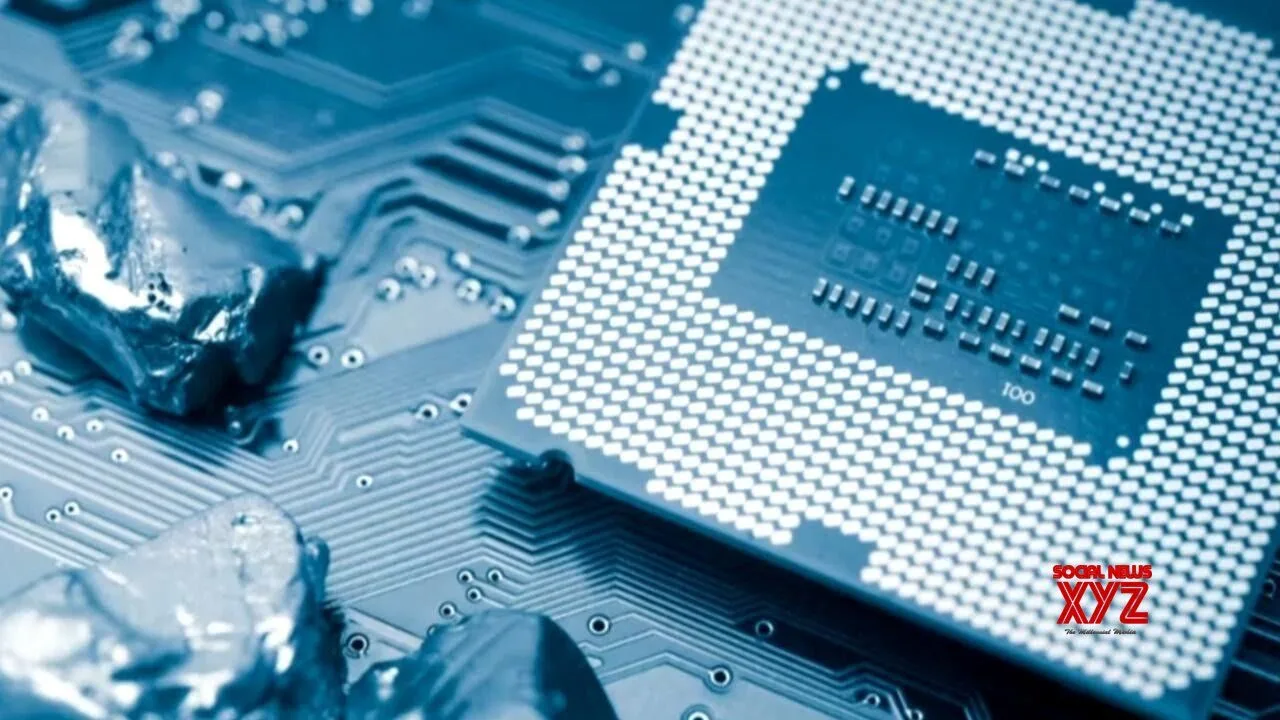
The United States has initiated a global effort to diminish Western dependence on China for artificial intelligence hardware through a newly announced partnership called the Pax Silica Accord. This initiative targets the stabilization and diversification of supply chains for vital materials used in advanced computer chips that power today’s cutting-edge AI technologies.
The accord aims to ensure the steady availability of key components necessary for manufacturing high-performance semiconductors. These chips are crucial for running complex AI models that drive innovation across multiple sectors, from technology to defense. By securing alternative sources and reducing vulnerabilities linked to single-country dependency, the Pax Silica partnership seeks to enhance global resilience in AI hardware supply.

This move comes amid growing concerns about supply chain disruptions and geopolitical tensions that have exposed risks in relying heavily on China’s manufacturing and raw materials. The Pax Silica Accord represents a collaborative strategy involving multiple countries willing to invest in and safeguard a stable, diversified supply network for critical semiconductor materials.
While detailed participants and commitments have not been publicly disclosed, the agreement signals a significant recalibration of global AI supply chains. Industry observers expect it to foster increased investment in mining, refining, and producing essential materials outside of traditional hubs dominated by China.
The effort reflects broader U.S. government priorities to strengthen domestic and allied capabilities in semiconductor technology, which is key not only for economic competitiveness but also for national security considerations. By pursuing the Pax Silica Accord, the United States underscores its intent to build a more secure and independent foundation for emerging AI advancements.