

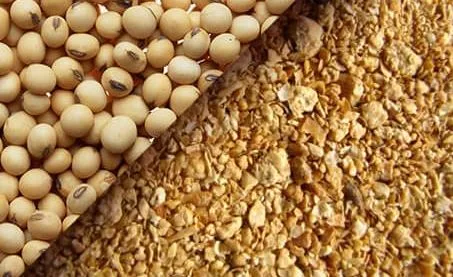
U.S. soybean producers are seeing increased demand for soybean meal as uncertainties persist around China’s purchase of American soybeans. Although China officially agreed to buy up to 12 million metric tons, efforts to boost that commitment to 25 million metric tons have stalled, largely due to unresolved trade issues, including a 10% tariff related to fentanyl concerns.
The presence of this tariff is a significant obstacle preventing China from expanding its soybean import commitments. Despite ongoing discussions, no definitive progress has been made to remove these duties. This impasse limits China’s immediate role in driving U.S. soybean sales.

Meanwhile, U.S. soybean meal exports have surged since 2021, opening avenues beyond the Chinese market. Traditionally, China has not been a major buyer of processed soybean products, but rising demand elsewhere has helped diversify export markets. The recent U.S. Department of Agriculture report also indicated new crop soybean sales to China, suggesting potential for increased purchasing activity, even as Brazil maintains dominance in the global market due to its competitive pricing.
This shift in soybean meal exports provides a strategic advantage for U.S. producers seeking to reduce reliance on any single market, especially given the complex trade dynamics with China. The ongoing global competition, particularly with Brazil, will continue to shape the trade landscape for soybean products.