

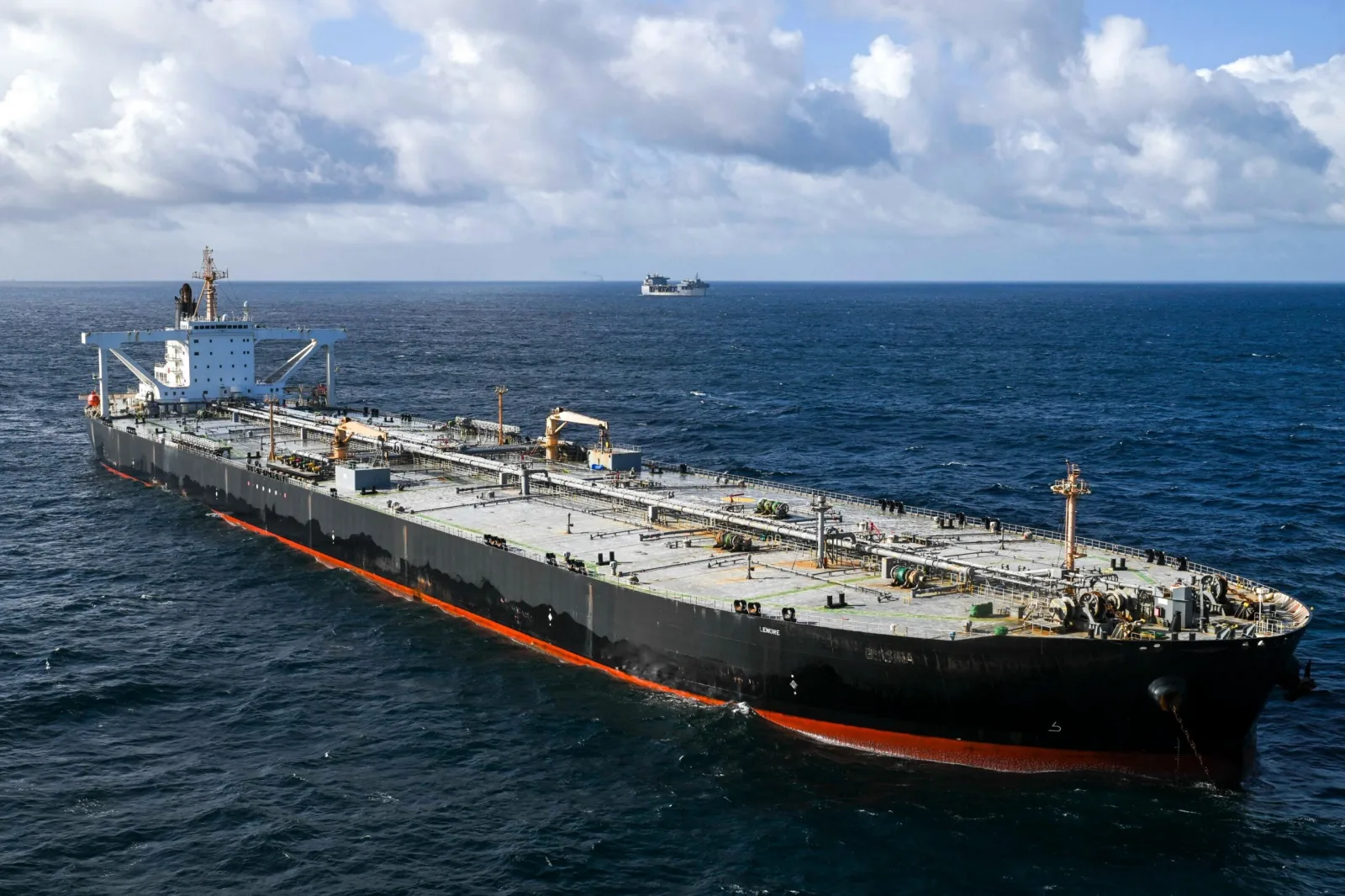
The United States announced it will promptly lift sanctions on Iranian oil and fuel sales once a newly reached memorandum of understanding (MOU) is signed. This move includes enabling related services such as banking, transportation, and insurance to support the resumption of exports, according to a senior U.S. official.
The agreement requires Iran to fully comply with specific conditions to benefit from sanction relief. These include commitments to refrain from developing nuclear weapons, neutralizing enriched nuclear material, and avoiding interference with maritime navigation through the strategic Strait of Hormuz. The U.S. official emphasized that the deal is performance-based, meaning Iran’s access to these benefits depends on adhering to the agreed terms.

Since 2018, the Trump administration had imposed sanctions on Iran over concerns about its nuclear program and support for militant groups in the Middle East. Iran has consistently maintained its nuclear activities are for civilian use. The lifting of sanctions comes after significant tensions, including a U.S.-led blockade on Iranian oil passage through the Strait of Hormuz—a vital chokepoint that handles about 20% of global oil and liquefied natural gas shipments.
Experts point out the economic implications of the agreement. With Iran reportedly holding more than 100 million barrels of oil in storage and on tankers—over half beyond U.S. blockade reach—the deal offers Tehran an immediate financial boost. Industry analysts have described the concession as a substantial shift, enabling Iran to capitalize on its existing petroleum reserves swiftly.
According to officials involved in the talks, the MOU outlines a phased lifting of all U.S. and United Nations sanctions on Iran, contingent on Tehran’s adherence to the agreed-upon timetable and conditions. This staged approach reflects cautious optimism that diplomacy can reshape the region’s oil market and security dynamics.