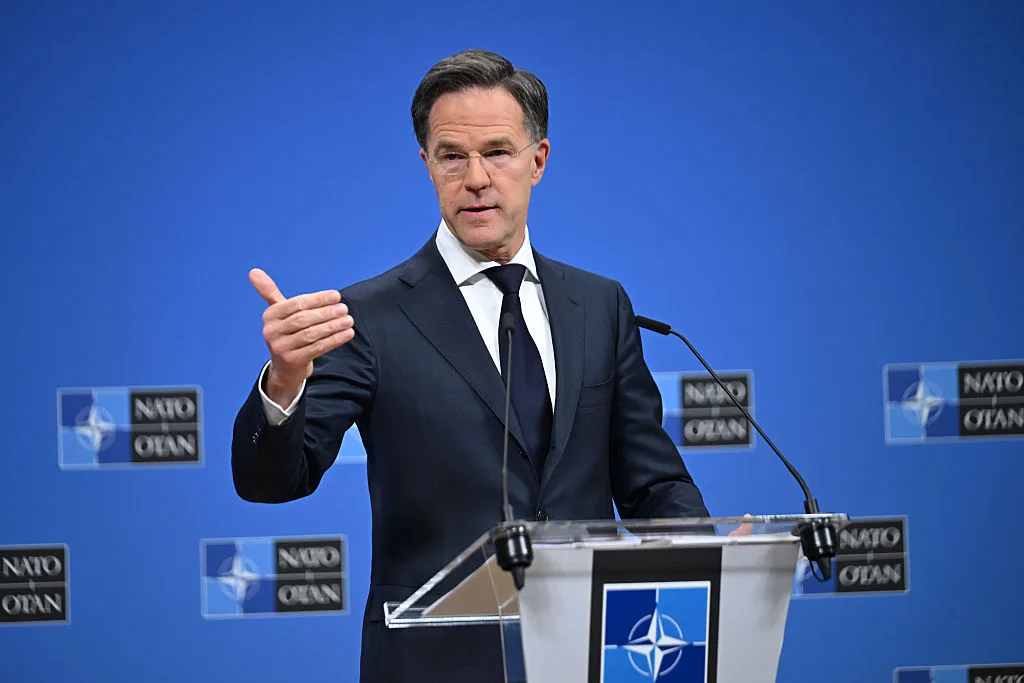
NATO Secretary-General Mark Rutte said that European nations have "clearly heard" the message from U.S. President Donald Trump and are moving to increase defense spending and strengthen military capabilities. His statement followed the U.S. announcement of plans to withdraw around 5,000 troops from Germany, a decision that has raised concerns among European allies and reignited debate over the continent's defense responsibilities within the alliance.
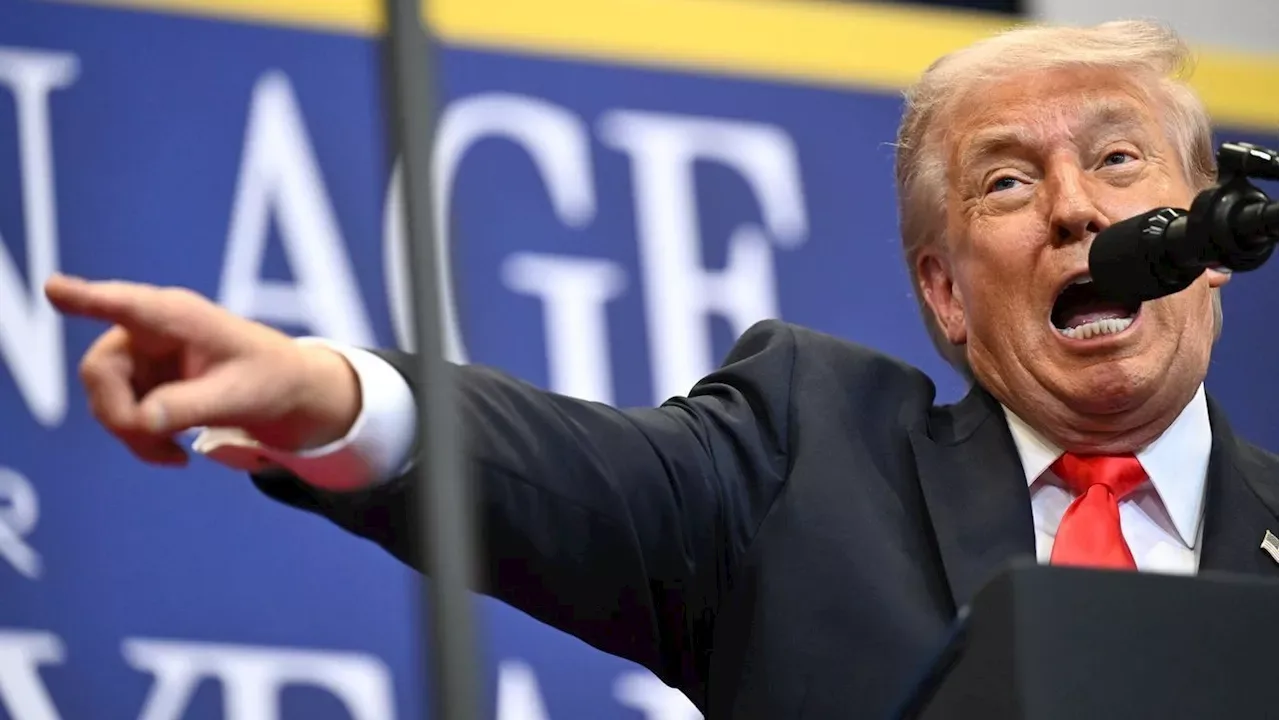
American officials characterized the troop withdrawal as a response to what Washington views as inadequate burden-sharing among NATO partners. President Trump has recently criticized European allies for failing to provide sufficient support to the United States and its regional partners amid ongoing Middle Eastern tensions.

European leaders have signaled a shift toward greater military self-reliance. EU foreign policy chief Kaja Kallas described recent developments as evidence that Europe must strengthen its role within NATO. French President Emmanuel Macron stated that Europe is increasingly willing to assume greater responsibility for its own security. European Commission President Ursula von der Leyen has underscored the need to enhance Europe's military readiness and capabilities.
The transatlantic consensus on regional security matters, however, remains fractured. Spain has declined to permit the United States to use its airspace and bases for strikes on Iran. Spanish Prime Minister Pedro Sánchez characterized military escalation as counterproductive, reflecting divergent positions among Western allies on how to handle Middle Eastern conflicts.
Analysts observe that these developments signal growing tension within NATO and a broader realignment of the global defense landscape. Europe is gradually adopting a more independent security posture while reassessing its strategic role in future geopolitical conflicts.