

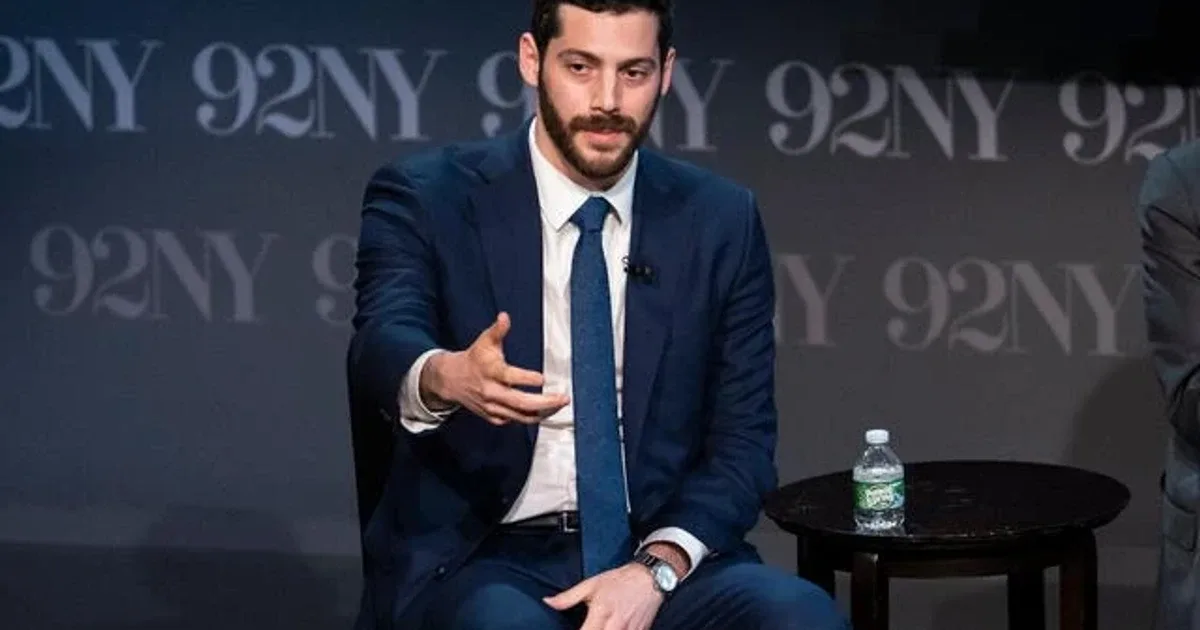
The Democratic primary in New York’s 12th Congressional District has evolved into a high-stakes proxy war fueled by massive funding from opposing camps within the artificial intelligence sector. With over $17 million poured into the race, the contest centers on how aggressively AI should be regulated. Assemblyman Alex Bores, a former software engineer, faces both fierce endorsement and attack as he seeks to replace longtime Congressman Jerry Nadler.
One political action committee supported by investors tied to OpenAI has spent more than $7 million on ads targeting Bores, aiming to undermine his candidacy. Meanwhile, groups partially backed by Anthropic investors, including crypto billionaire Chris Larsen who recently pledged an additional $3.5 million, have spent over $10 million promoting Bores’s campaign. This surge of AI-related contributions highlights the industry’s determination to influence U.S. policymaking through electoral politics.

Bores’s own career is intertwined with the ongoing AI debate. Having left Palantir over ethical concerns related to the company’s immigration enforcement work, he became a champion of New York’s RAISE Act. This pioneering law, enacted last year, established a new regulatory office within the state’s Department of Financial Services to impose safety and transparency standards on major AI developers, financed by fees levied on the industry.
The race has also exposed deeper divisions within the Democratic Party. Candidates such as Micah Lasher and Jack Schlossberg have openly criticized Bores, questioning his ties to Silicon Valley and warning against regulators becoming too close to the AI industry. A recent poll indicates a tight race, with Lasher narrowly ahead. The contest is not merely local but reflects a broader national struggle over AI governance and the capacity of regulated AI advocates to win significant political positions.