

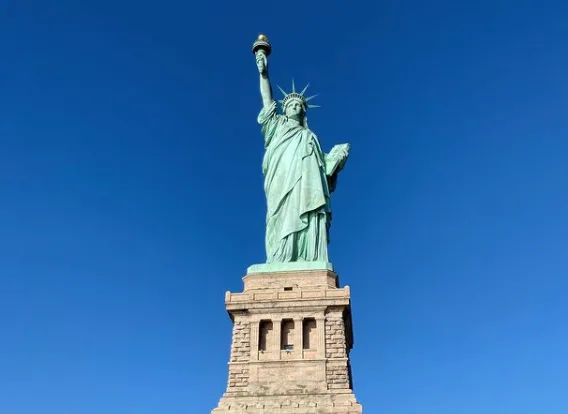
A Justice Department attorney sparked controversy by stating that if the government moved swiftly to demolish a historic monument such as the Statue of Liberty, legal challenges might come too late to prevent its destruction. This admission came during a federal appellate court hearing involving a dispute over the construction of a $400 million White House ballroom.
The case centers on whether courts have the authority to halt a project after demolition has already begun. The government argued that once demolition starts, no lawsuit can effectively stop the work, a position that the National Trust for Historic Preservation, which opposes the construction, strongly contests. To illustrate the stakes, the presiding judge proposed a hypothetical scenario where the government bulldozes a national symbol like the Statue of Liberty before anyone has the chance to file a lawsuit. The government lawyer’s concise response—that such swift action would likely be beyond judicial reach—prompted audible reactions in the courtroom.

It is important to emphasize that no plans exist to tear down the Statue of Liberty. The statue is under the jurisdiction of the National Park Service, and any attempt to remove it would face stringent legal and congressional scrutiny under preservation laws. The lawyer’s statement was a strategic legal concession meant to defend a broader theory regarding courts’ ability to intervene once physical demolition starts.
The symbolic resonance of the statement struck a chord nationwide. The Statue of Liberty has served as a profound emblem of welcome to millions of immigrants and embodies foundational American values. Public backlash was swift, with critics warning that such a legal doctrine could undermine protections for historic landmarks. Some legal experts argue that individuals with strong interests—such as tourists or historians—could still have standing to sue, which might challenge the government’s strict interpretation.
The appellate panel now reviews the case, which could have significant implications for the scope of judicial oversight in protecting historic sites once physical alterations begin. The debate highlights tensions between government projects and historic preservation efforts, raising questions about how courts balance prompt development with safeguarding national heritage.