

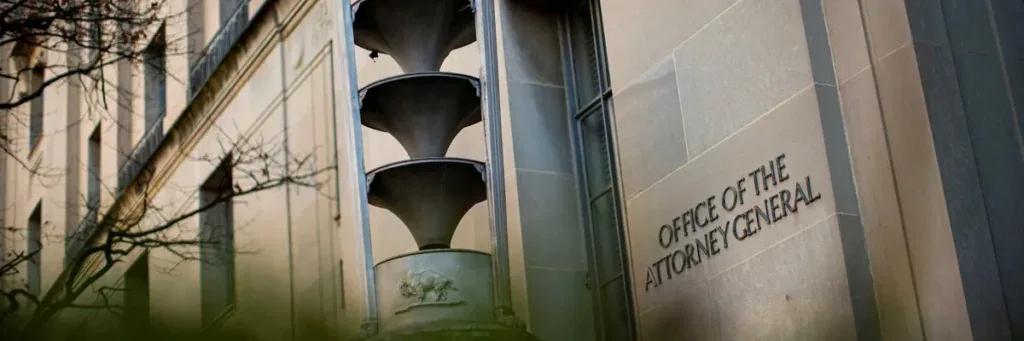
The Department of Justice has significantly cut back on long-standing election security efforts, dismantling critical infrastructure once aimed at safeguarding the integrity of U.S. elections. Key training sessions for federal prosecutors and FBI agents have been canceled, a core unit responsible for election crime enforcement has been weakened, and a foundational prosecutorial guidebook has been removed from public access.
This retreat began with the abrupt cancellation of biannual training sessions held at the National Advocacy Center, where career prosecutors nationwide learned how to investigate election crimes without influencing electoral outcomes. The cancellations have continued, with planned follow-up sessions scrapped amid cited “changes in priorities,” according to sources familiar with the matter.

Central to these changes is the dismantling of the Public Integrity Section (PIN), historically the DOJ’s specialized team for election law enforcement. Under recent leadership, most of its lawyers were dismissed, and the head of the Election Crimes Branch resigned without replacement. Experts warn this has created a considerable expertise gap within the department.
Adding to concerns is the removal of the DOJ’s comprehensive 281-page guide, Federal Prosecution of Election Offenses, a key resource that informed policies and procedures around election crime investigations. Its disappearance from government websites signals a larger shift away from the previously robust election oversight framework.
Traditionally, the DOJ also established a command center operating around the clock on Election Day to respond rapidly to emerging issues. This facility has not been set up under current practices, raising further questions about readiness to handle election emergencies.
Critics argue these reductions could undermine efforts to protect voting processes. A former public corruption prosecutor pointed out that without sustained training and rapid response infrastructure, election protection becomes uncertain. The concern is compounded by fears that the DOJ might prioritize political considerations over impartial enforcement.
In response to inquiries, the DOJ emphasized that its top priorities still include ensuring election integrity and protecting against voter fraud, though it declined to address specifics about the recent dismantling of operational components.