

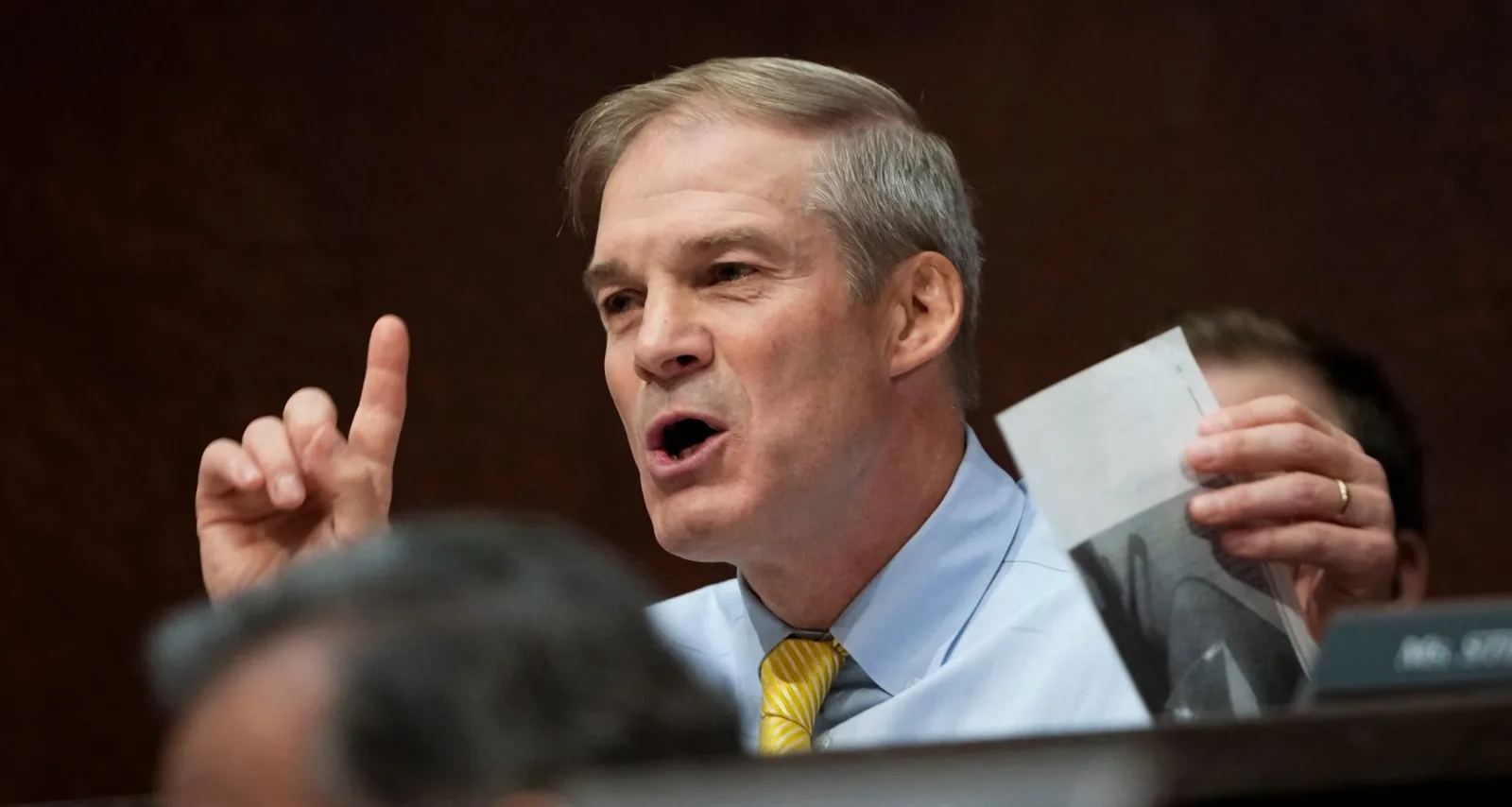
The United States House Judiciary Committee has released a preliminary report scrutinizing the National Football League’s antitrust exemption granted by the Sports Broadcasting Act of 1961. This exemption enables the NFL to collectively negotiate television rights for its 32 teams, a practice that the committee’s report claims has fostered a costly broadcast ecosystem for fans.
The report, published days before a scheduled full committee hearing on the Sports Broadcasting Act, highlights how the NFL’s antitrust protection helped the league secure a significant broadcasting deal at the time of the act’s passage. Officials noted that the exemption was originally intended to maintain fair revenue distribution among teams and ensure wide availability of games on broadcast television.

However, the committee now argues that the exemption has allowed the NFL to construct a profitable, tightly controlled television structure that may not serve the best interest of consumers. Removing this exemption, the report contends, could substantially reduce the price fans pay to watch NFL games. This assertion connects to a 2015 class-action lawsuit targeting the NFL’s Sunday Ticket service, an out-of-market subscription package alleged to violate antitrust laws by inflating prices to protect local broadcaster interests.
The lawsuit’s claims centered on NFL Sunday Ticket’s pricing strategy, challenging the league’s portrayal of the service as catering mainly to avid fans rather than those forced to seek access to their favorite teams outside local markets. According to subscriber data cited in the report, over 70 percent of former Sunday Ticket users subscribed primarily to watch their preferred team that was not available on local broadcasts.
The NFL defends Sunday Ticket pricing by stating it encourages viewers to watch local games over broadcast channels. Yet, with ongoing federal scrutiny, some officials suggest these pressures aim to keep most NFL games accessible via free broadcast TV amid shifting media landscapes where streaming platforms vie for content rights.
Public sentiment reflects support for keeping major sports on traditional television; a recent Fox News poll found that a strong majority of sports fans believe key events should remain on free broadcast channels, with many citing cost as a barrier to following live sports. The House Judiciary Committee’s examination signals potential shifts in how NFL media rights are governed—changes that could impact fans, broadcasters, and the league’s business model going forward.