

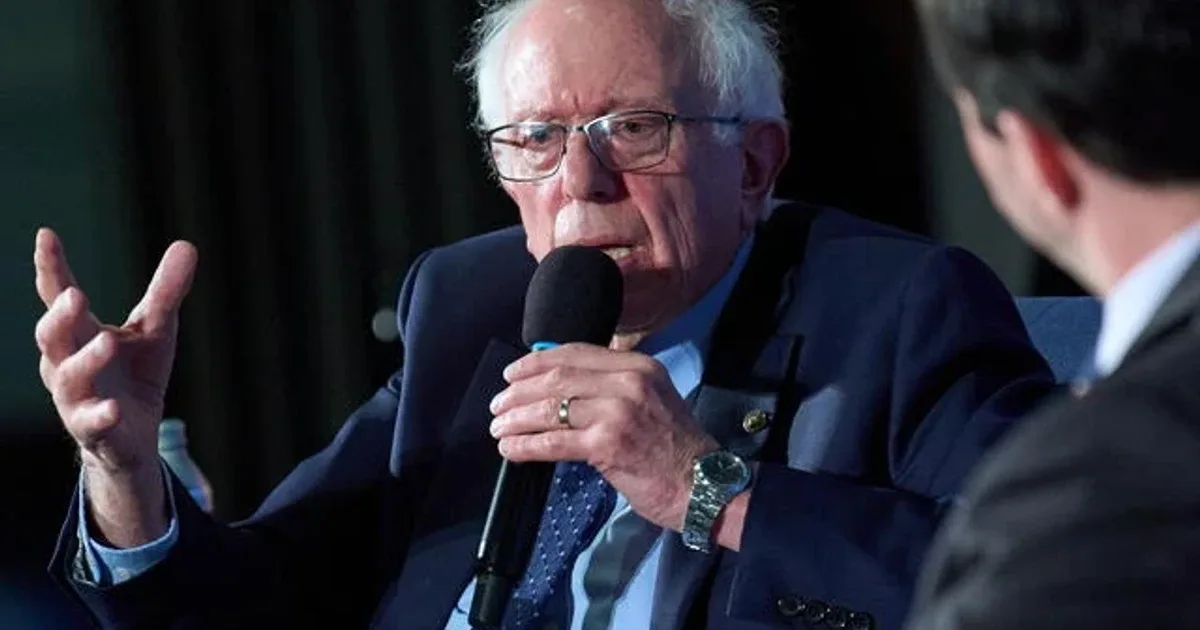
Bernie Sanders has unveiled a proposal to impose a one-time 50% tax in stock on the largest AI companies once they surpass $200 million in annual AI-related sales. The revenue from this levy would seed an American AI Sovereign Wealth Fund designed to generate long-term wealth for the public and deliver direct payments to citizens.
The fund, which Sanders projects could grow to nearly $7 trillion in value, aims to redistribute the massive profits generated by artificial intelligence technologies. Beyond direct payments, the fund would finance critical public services such as health care, education, and housing, reflecting a shift in how the economic benefits of AI are shared.

Sanders’ legislation envisions governance by an independent commission comprising seven members tasked with overseeing the fund’s investments and exercising voting rights in these AI companies. This structure is intended to give the government a lasting voice in corporate decisions, ensuring that companies align their strategies with the public interest rather than prioritizing narrow shareholder gains.
The senator draws parallels to Alaska’s Permanent Fund, a sovereign wealth fund that distributes earnings from natural resources directly to residents, and to existing U.S. public pension funds, which manage substantial equity holdings. Sanders highlights the need for ordinary Americans to have a “significant seat at the table” as AI reshapes the economy and threatens to concentrate wealth among executives and major investors.
This proposal comes amid rising concerns about AI’s impact on labor markets, with Sanders warning that technologies like AI and robotics could displace millions of jobs across various sectors—including healthcare, transportation, accounting, education, and food service—within the next decade. Simultaneously, major AI companies are rapidly increasing in valuation, intensifying their influence through lobbying efforts in Washington.
Sanders also references previous political interest in sovereign wealth funds, noting that even former President Donald Trump has suggested a similar concept in an executive order, indicating bipartisan recognition of the need to manage AI-driven wealth strategically.