

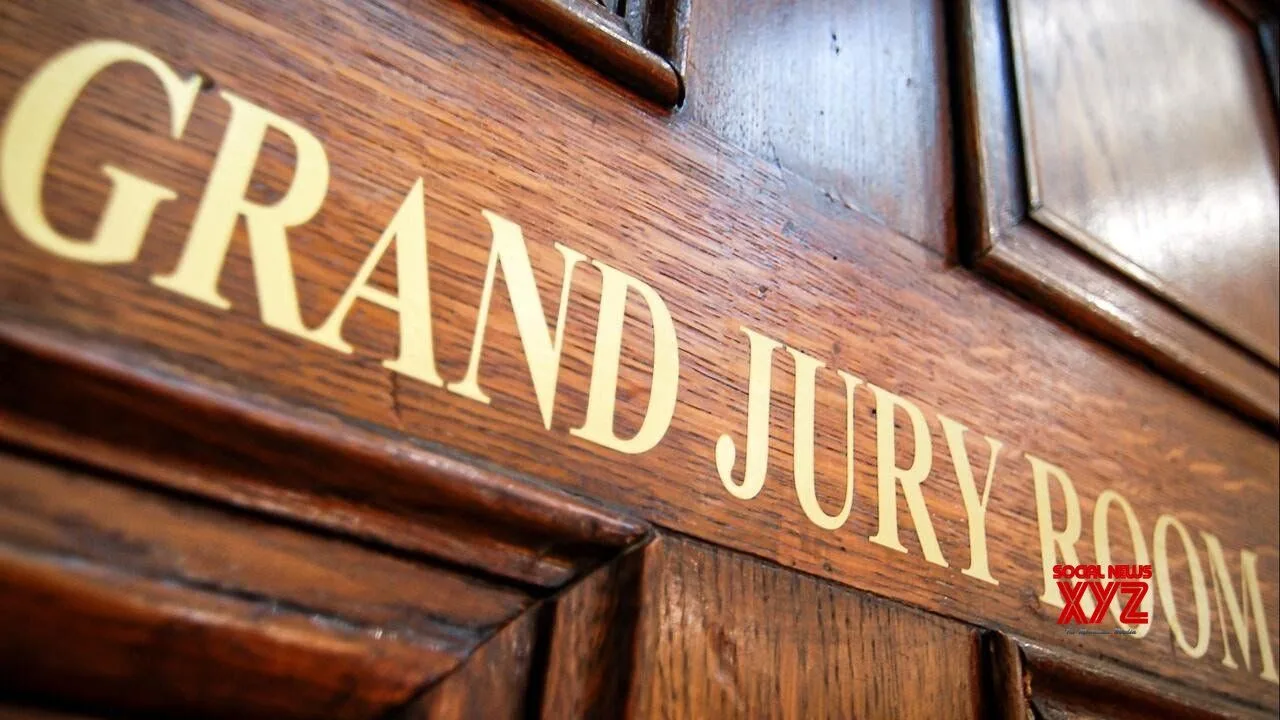
California Governor Gavin Newsom and his wife have reportedly come under investigation by the United States Department of Justice (DOJ), a development that the DOJ has neither confirmed nor denied. This situation has drawn public attention to the role and authority of federal grand juries, which often play a pivotal part in high-profile investigations.
A federal grand jury is a legal body empowered to examine evidence presented by prosecutors to determine whether there is sufficient cause to bring criminal charges. Unlike trial juries, grand juries operate largely in secret, and their proceedings are not adversarial; prosecutors present evidence without the presence of defense attorneys. The grand jury’s decisions shape whether an indictment is issued, effectively triggering a formal prosecution.

The investigative scope of a grand jury is broad. It can subpoena witnesses, compel testimony, and request documents related to the inquiry. This system helps bridge the gap between initial investigation and formal charges, providing a check on prosecutorial discretion. The secrecy ensures protection of reputations until charges are confirmed, but it also fuels public curiosity and speculation, especially in politically sensitive cases like that involving Newsom.
Legal analysts emphasize that being under grand jury investigation does not equate to guilt. Instead, it signifies that prosecutors are seeking enough evidence to pursue charges. The confidentiality of grand jury proceedings means specific details often remain undisclosed until legal action is taken or the process concludes.
As this alleged investigation unfolds, the public’s understanding of the foundational role grand juries play in the federal judicial system becomes increasingly relevant. These juries serve as a preliminary gatekeeper, tasked with balancing investigative needs and protecting individual rights within the criminal justice process.