

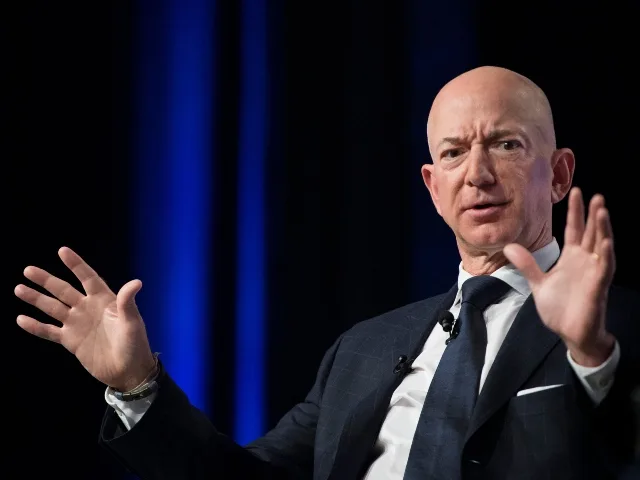
Jeff Bezos, founder of Amazon, reportedly admitted in a private conversation with former President Donald Trump that acquiring the Washington Post was the worst investment he ever made. In this exchange, Bezos described the newspaper’s employees as “terrible” and complained about their unwillingness to listen or adapt. This candid assessment came amid ongoing financial losses and internal turmoil within the publication.
According to a book excerpt cited by the New York Post, Bezos highlighted frustrations stemming from the paper’s resistance to editorial changes he tried to enforce in 2024. That year, the Washington Post reportedly lost significant sums of money, prompting Bezos to push for a new editorial direction emphasizing personal liberty and free markets. He also ordered the paper not to endorse any candidate in the 2024 presidential election, effectively withholding support from then-Vice President Kamala Harris. This move upset both staff and subscribers eager for a firm Democratic endorsement, triggering resignations and subscriber cancellations.

In response to these challenges, Bezos made substantial cuts to the newsroom, reducing staff by approximately 40 percent, which included the entire sports department. These actions followed internal rebellions by employees opposed to the reforms. The resulting upheaval has fueled speculation about the future viability of the Post as a traditional news outlet.
The Washington Post’s struggles reflect broader tensions between media owners and editorial teams, especially when financial pressures collide with ideological divides. Some analysts suggest that the Post may need to reinvent itself along the lines of other outlets like The New York Times, possibly pivoting toward lifestyle and entertainment content while maintaining a reduced news operation. However, this strategy faces obstacles, as the Post’s political identity alienates significant portions of the electorate—conservatives refuse to return, while Democrats demand unwavering loyalty.
Bezos’s frank remarks underscore the challenges of owning a major media outlet caught between commercial realities and ideological expectations. His experience highlights how deeply internal culture and audience loyalty affect the survival of legacy news organizations in a rapidly evolving landscape.