

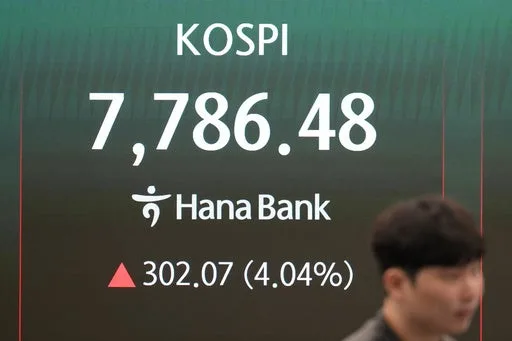
Wall Street experienced significant losses as artificial intelligence-related stocks dropped sharply, pushing major indexes lower after volatile trading. The S&P 500 declined substantially, reversing an early gain and moving further away from the record high it set just a week prior. The tech-heavy Nasdaq composite suffered a steep fall, weighed down by major chipmakers that initially rose before plunging.
Key semiconductor companies that supply essential components for AI technologies saw dramatic stock swings. For instance, Micron Technology’s shares flipped from a strong uptick to a significant decline within hours, following a recent period of extreme gains and drops this year. Similarly, Marvell Technology and Advanced Micro Devices erased early gains and posted notable losses. Nvidia also declined, significantly influencing the S&P 500 due to its status as the most valuable U.S. company by market capitalization.

Amid this sell-off, the broader technology sector showed mixed signals as several prominent AI companies prepared to enter the public market with initial public offerings (IPOs). OpenAI disclosed confidential filings for an IPO, reflecting rising investor interest, while SpaceX’s public debut loomed closer. These high-profile filings highlight sustained enthusiasm for AI innovation despite recent stock volatility.
Meanwhile, oil markets displayed their own dynamic developments, with Brent crude prices falling over two percent, easing some inflation pressures. The price softness stemmed from tentative hope that diplomatic talks between the United States and Iran might reopen the Strait of Hormuz, a critical shipping lane for global oil supply. However, tensions flared after accusations against Iran relating to an attack on a U.S. military helicopter near the strait, tempering optimism.
The recent surge in oil prices due to geopolitical instability has contributed to rising inflation and higher global bond yields, factors that add strain to equity valuations. Although Treasury yields retreated slightly as oil prices declined, they remain elevated compared to pre-conflict levels, maintaining pressure on stocks.